14 Best AI-Driven Tools in 2026 [Free & Paid]
 by Sahil Tyagi
![14 Best AI-Driven Tools in 2026 [Free & Paid]](https://webimages.zixflow.com/Featured_Image_SS_BP_601_X_Best_AI_Driven_Tools_in_2026_Free_and_Paid_ee04327c89.jpg)
Table of Contents
The foundation of marketing in the future is AI-driven solutions that will streamline the content production process, improve campaign personalization, and speed up the analysis of customer information.
According to McKinsey, more than 88% of marketers are currently performing their daily activities by using AI. These activities consist of creating content, doing keyword research, writing ad copies, and automating customer engagement.
These systems deal with routine work and leave the marketing reps teams to work on the AI marketing strategy to ensure the business operations run smoothly, to drive maximum impact on the bottom line.
The shift is indicative of the industry-wide trends, where smaller businesses have to produce enterprise-level results, and AI is enabling such results, as it takes weeks of manual work to be reduced to hours of helpful execution.
Having said that, this post lists some of the most useful AI tools, both free and paid, specifically selected to assist brands in streamlining numerous workflows and enhancing efficiency.
How to choose the right AI tool?
In the year 2026, choosing the right AI tools begins with whatever you want to achieve in your marketing, rather than the trends happening at the time.
The sweet spot, to most marketers, is a stack of tools that is small and does not create additional complexity but actually makes content, campaigns, or reporting better. Having that focus will make you determine what platforms to test, upgrade, or ignore.
Start with your primary use cases
The simplest method of preventing “tool overload” is to start with the issues that you wish to address at this point. Rather than posing what AI platform is the most powerful, you need to find out which of the tasks you need the most assistance with. For example, writing and repurposing, launching and optimizing campaigns, creating visuals and video, or automating repetitive tasks across channels.
In this way, it is much more explicit what kind of AI marketing tools to investigate initially and what characteristics really have an impact on your everyday operations.
When you know what you want to do with the tool, make a brief list of tools that are designed to perform those tasks. Find examples and testimonials of other users who have used the tool to get certain results. This will keep your choice based on actual results rather than guesswork only.
Check features against your workflow
Now, having a shortlist, you can proceed to assess how each of the tools can be incorporated into your current workflow. Specifically, pay attention to the tangible features like the quality of content generation, language support, customization features, predictive analytics, and the possibility to integrate with your existing stack.
A tool might be very impressive on its own, but still may be the wrong one when it means having to make your team switch interfaces all the time and manually transfer data between them.
Compare pricing and free tiers
Most used AI applications are either currently free or at least come with a free trial period, which is optimally suitable when conducting specific experiments.
Rather than trying all of them simultaneously, choose one funnel or campaign, e.g., your blog content pipeline or your evergreen ad set, and use the trial period to determine whether the tool actually saves time or makes your performance better. Measure easy things such as hours saved, assets created, or the increase in customer engagement to know objectively whether the subscription is a good idea.
Prioritize data privacy and compliance
With the increasing level of AI integration, data privacy cannot be an afterthought. The next important thing to read before rolling out any tool is how it manages the data. What it stores, the location of the servers, the amount of time the information is stored, and whether your inputs are utilized to train external models. This is particularly critical when you deal with customer data or sensitive financial information that must not fall into the hands of the general training sets.
Another way to assess the platform is to examine its alignment with laws like GDPR and CCPA, as well as new regulations, including the EU AI Act. Well-documented, the ability to restrict data sharing and fine-grained access control is indicative that the vendor takes security seriously.
By answering these questions sooner, marketers decrease the risk of legal and reputational harm and simplify the process of expanding the use of AI to bigger teams or regulated markets.
Test usability and support
The most progressive AI stack will not work if your team becomes confused or frustrated at using it. In trials, it is worth noting the speed with which non-technical users can transition to real output, whether that is an intuitive interface, templates, or workflow, which can be more useful than hidden pro settings.
In case the humans do not open the tool after the first week of usage, then that is a good indication that you should have a simpler alternative.
Lastly, take into account the ecosystem of every product. Does it include good documentation, video tutorials, real-world playbooks, and active communities? This way, brands can reduce the learning curve and derive additional value out of the subscription.
Want to Use AI Tools That Deliver Results?
Apply AI driven workflows to automate marketing tasks and improve efficiency across campaigns in less time.
Sign up for ZixflowAI tools overview: A simplified explanation
AI tools are applicable to nearly every aspect of the workflow of a business, but most of them can be classified into a few distinct categories. Knowing these buckets, it is easier to see what you already have covered and what a new tool might open up to a huge leap in efficiency or performance.
Instead of viewing AI as a single homogenous entity, you can consider assistants, content generators, productivity enhancers, creative software, and technical platforms and use them in combination. Here’s a table segmenting relevant tools into the right categories according to their capabilities:
| Category / Use Case | AI Assistants & Research | AI Content & Marketing Platforms | AI Productivity & Workflow | AI Design, Image & Video |
|---|---|---|---|---|
| General-purpose assistant | ChatGPT | – | – | – |
| Research & answer engine | Perplexity, Claude | – | – | – |
| Brainstorming & ideation | ChatGPT, Gemini | Jasper, Copy AI, Writesonic | Notion AI | Canva (Magic Write), Leonardo (prompting) |
| Long-form content (blogs, guides) | ChatGPT, Claude | Jasper, Writesonic, Surfer (with AI), Semrush AI | Notion AI, ClickUp AI | – |
| Ad & social copy | ChatGPT, Gemini | Jasper, Copy AI, Writesonic | – | Canva (ad creatives + copy assist) |
| Email & lifecycle campaigns | ChatGPT | Zixflow AI, Copy AI | – | – |
| Meeting notes & summaries | – | – | Fireflies, Avoma, Otter AI | – |
| Knowledge management & docs | – | – | Notion AI, ClickUp AI | – |
| Image generation & editing | – | – | – | Midjourney, DALL-E, Leonardo, Canva |
| Brand & campaign design | – | – | – | Canva, Figma (AI features) |
| Video creation & editing | – | – | – | Runway, Pictory, Synthesia, Descript |
| Short-form content repurposing | ChatGPT | Jasper, Writesonic | – | Pictory, Descript |
14 best AI-driven tools (Free & Paid)
Here is a list of the best AI-powered tools that can assist you in automating business processes by streamlining content creation, improving personalization, and accelerating the performance of campaigns across channels.
ChatGPT
ChatGPT is a chat-based artificial intelligence assistant that helps marketers in brainstorming ideas, creating copy, analyzing data, and converting jumbled thoughts into channel useful content. It is unique in that it can generate a blog outline and customer research summary on the same platform, as well as ad angles, which both have a free and paid version.
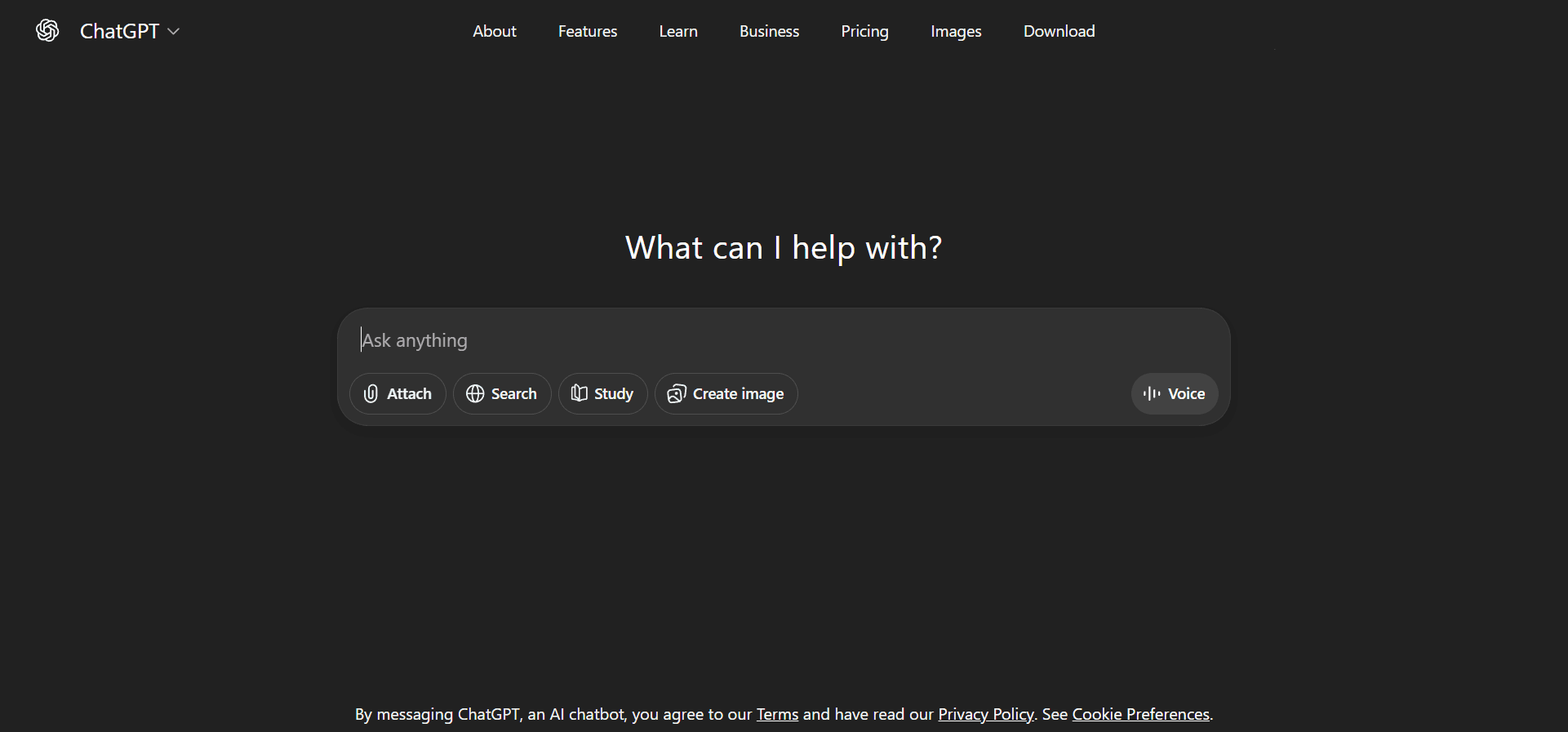
ChatGPT for marketing allow teams to convert lists of keywords into article outlines, create first drafts for blog posts, re-use long-form content for social updates, and create variations of ads based on a fundamental offer or hook.
It also comes in handy when it comes to developing email sequences, landing page copy, and scripts of a webinar or a video that can be perfected in the tone of voice of the brand. In addition to content, it can summarize customer interviews, cluster survey responses, as well as recommend angles of messaging based on shared objections or wants.
Marketers can create straightforward workflows to incorporate it into the workflow. Ideate and outline in ChatGPT, refine and finalize in a doc or CMS, then repeat the process in ChatGPT with repurposing once the performance data is accessible.
The saved conversations can be stored as custom instructions and reused prompt templates, which creates it as a regular first-draft engine and not a one-off brainstorming tool. It is also possible to standardize a set of shared prompt templates so that all the members use the assistant in the same thinking process when working on different campaigns.
Google Gemini
Google Gemini is a multimodal AI assistant that is intended to be integrated closely with the Google Business Platform, Docs, Sheets, Gmail, Drive, and Search. It is able to read and write, generate images, and is being positioned as a general-purpose copilot in productivity and research. To marketers who are already in Google Workspace, Gemini is an extension of their daily tools.
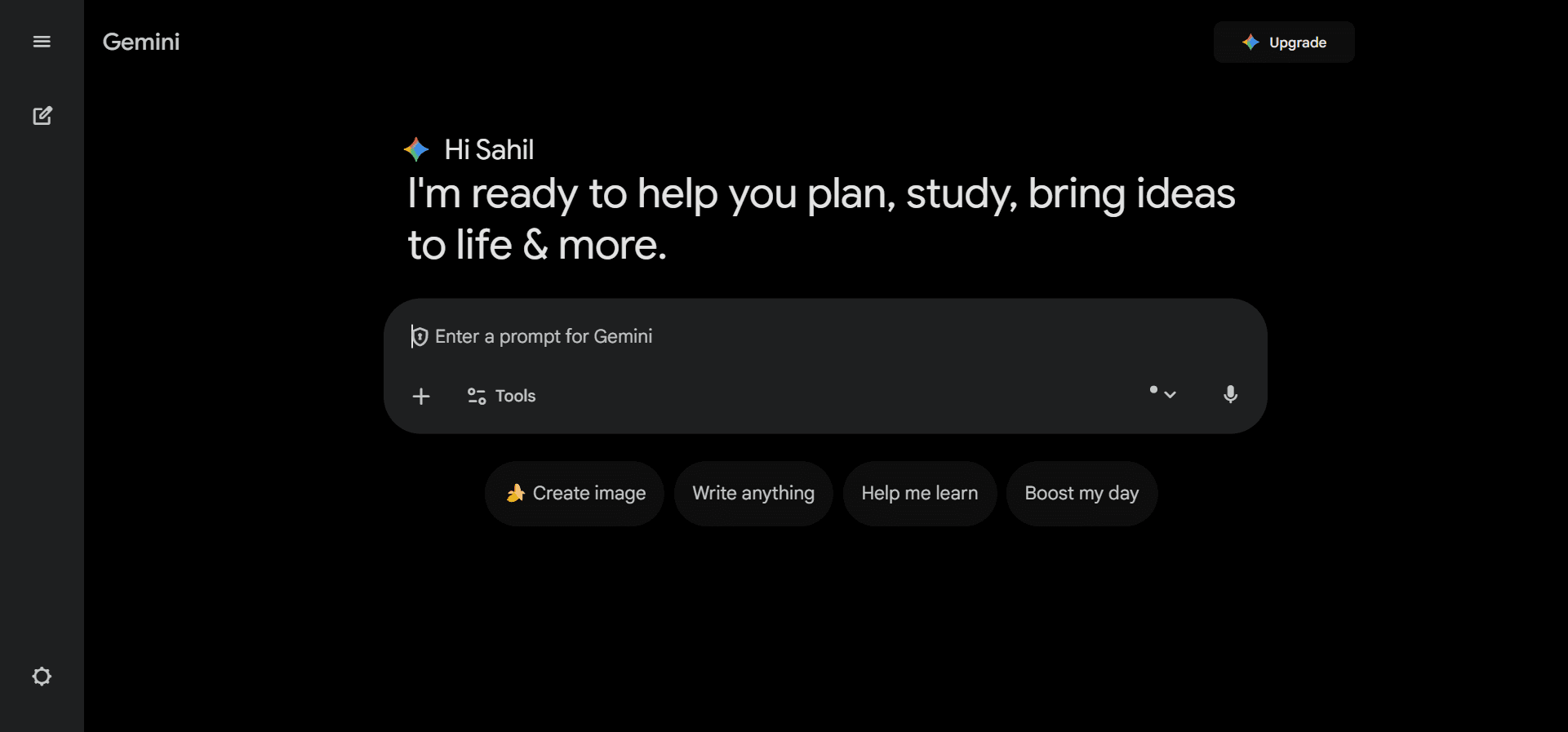
Gemini enables marketers to write and optimize copy in Docs, summarize long research in Drive, brainstorm campaign ideas based on performance reports stored in Sheets, and even extract quick information based on search-like queries without abandoning their web browser.
Its features are especially useful with email-intensive processes, like writing outreach, follow-ups, and messages within Gmail, and also when working with multi-sheet reports and converting them to slide outlines.
Since Gemini occupies the same place as Google Business, this allows teams to work with raw data in Docs and Sheets without having to copy information between tools and transform it into a story.
Another way that marketers can leverage the recommendations of Gemini, together with Google Ads and Analytics data, is to brainstorm new groups of keywords, ad types, and landing page concepts based on actual performance data.
Claude
Claude is an AI helper that is characterized by its capability to process very large context windows, which is why it is particularly powerful at deep research, analysis of large documents, and strategic thought.
Knowledge workers who require feeding long PDFs, reports, transcripts, or content libraries in one single conversation to derive structured insights tend to prefer it. That makes Claude an asset to marketers in terms of strategic and analytical work.
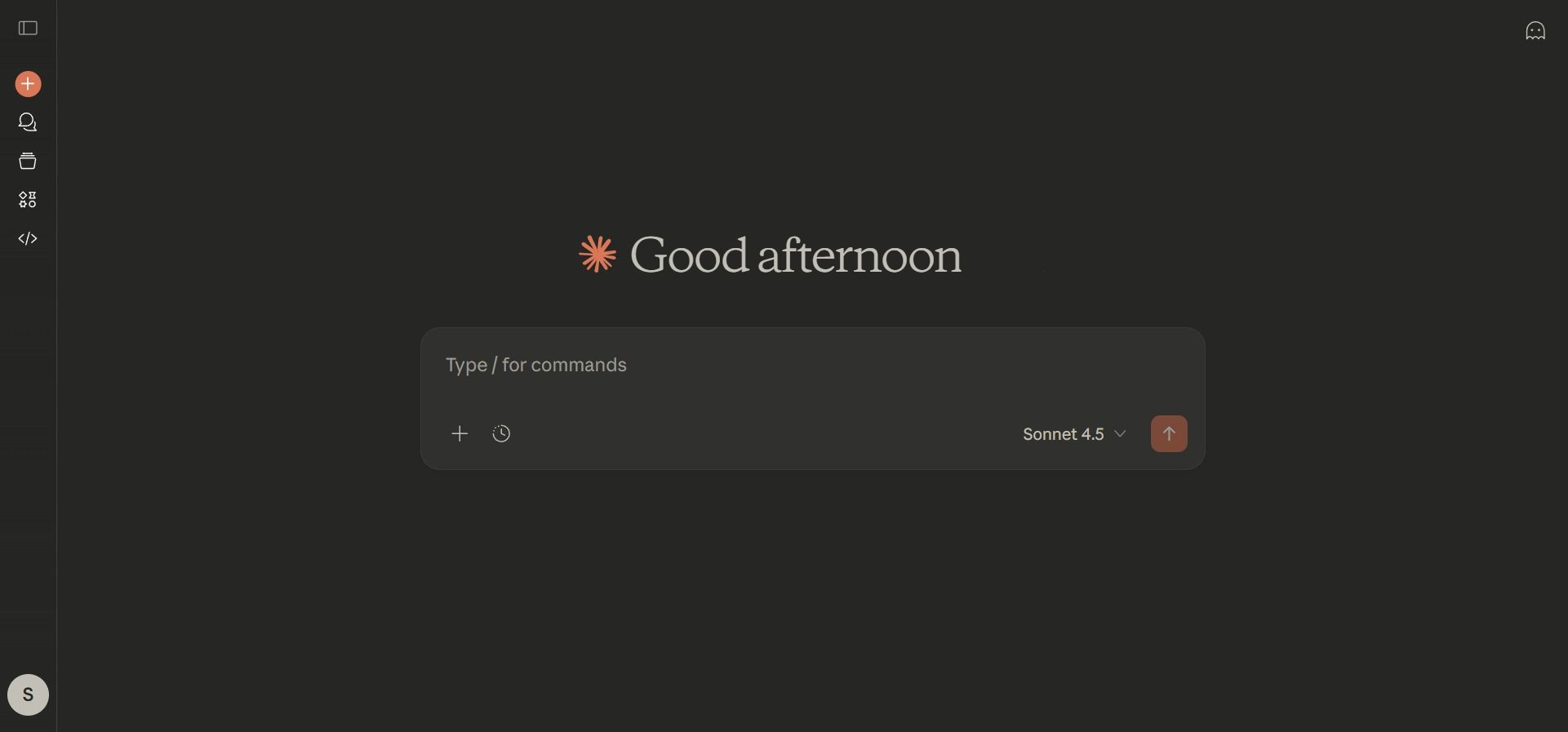
Claude allows marketers to consume customer data and market research to convert them into customer personas, messaging maps, and campaign ideas. It is capable of detecting recurring pains and desires among hundreds of lines of feedback and grouping them into themes to suggest positioning angles that directly address the patterns.
In order to incorporate Claude in the stack, businesses can consider it as a thinking layer that will be placed on their research and internal documents. One potential solution is to compile relevant PDFs, notes, and exports, upload them, and request Claude to create particular outputs such as narrative decks or content roadmaps.
Perplexity
Perplexity is an AI-based research assistant that is a combination of conversational responses with live web referencing and citations.
It is designed to provide answers to questions with current information and provide links to the source of the information, which is especially crucial for marketers who need the latest statistics, examples, and the competitive environment without spending hours searching manually. As a matter of fact, it acts as a combination of a search engine and a research analyst.
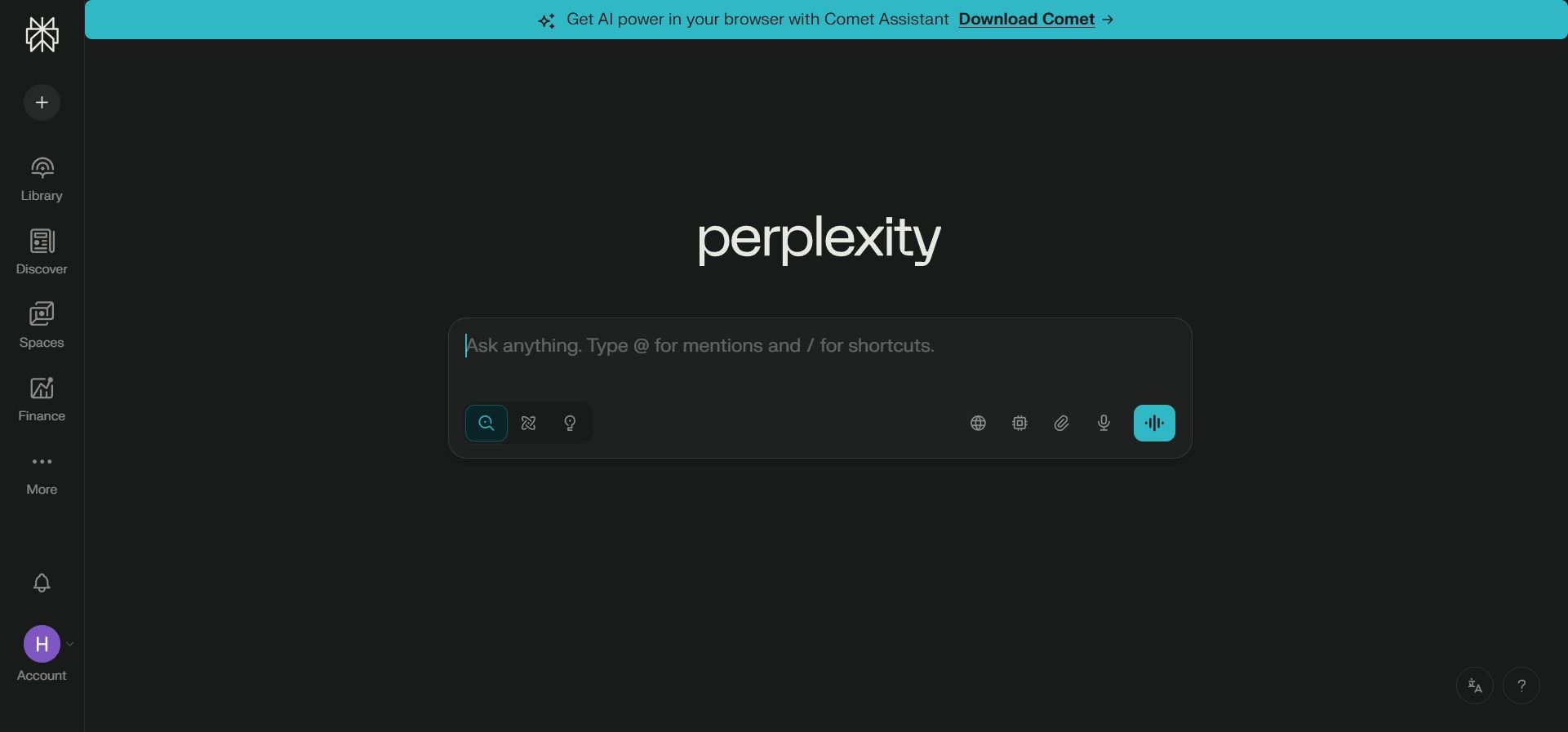
Perplexity can help marketers collect new statistics to post on blogs, research their topics by scanning numerous sources, find case studies, and keep up with industry trends. It also comes in particularly handy when writing data-driven articles like market summaries, in which citations are important.
To ensure a successful integration, Perplexity may be incorporated at the very beginning of any task that requires a lot of research. For instance, before creating a guide or a campaign, marketers can run a set of specific queries and export the findings.
In the long run, teams can maintain shared research threads or spaces, which serve as living collections on major issues, and it will be simpler to update content and campaigns with new information.
Ready to Move Beyond Basic AI Tools?
Manage AI powered campaigns and customer journeys from one workspace built for growing marketing teams.
Get started with ZixflowAI tools for generating content
The following section showcases the best AI-based solutions that are specifically designed for producing quality content at scale. Whether it is writing blog posts or social media captions, these tools can enhance your content strategy by saving time and effort.
Jasper
Jasper is a dedicated AI writing platform aimed specifically at marketing teams because of its brand voice training, campaign workflow, and multi-channel content generation functions. It is not just a general assistant, but it provides templates of ads, emails, landing pages, and social posts, which is why it is suitable when the output of the agency or an in-house content team demands high volume and consistency.
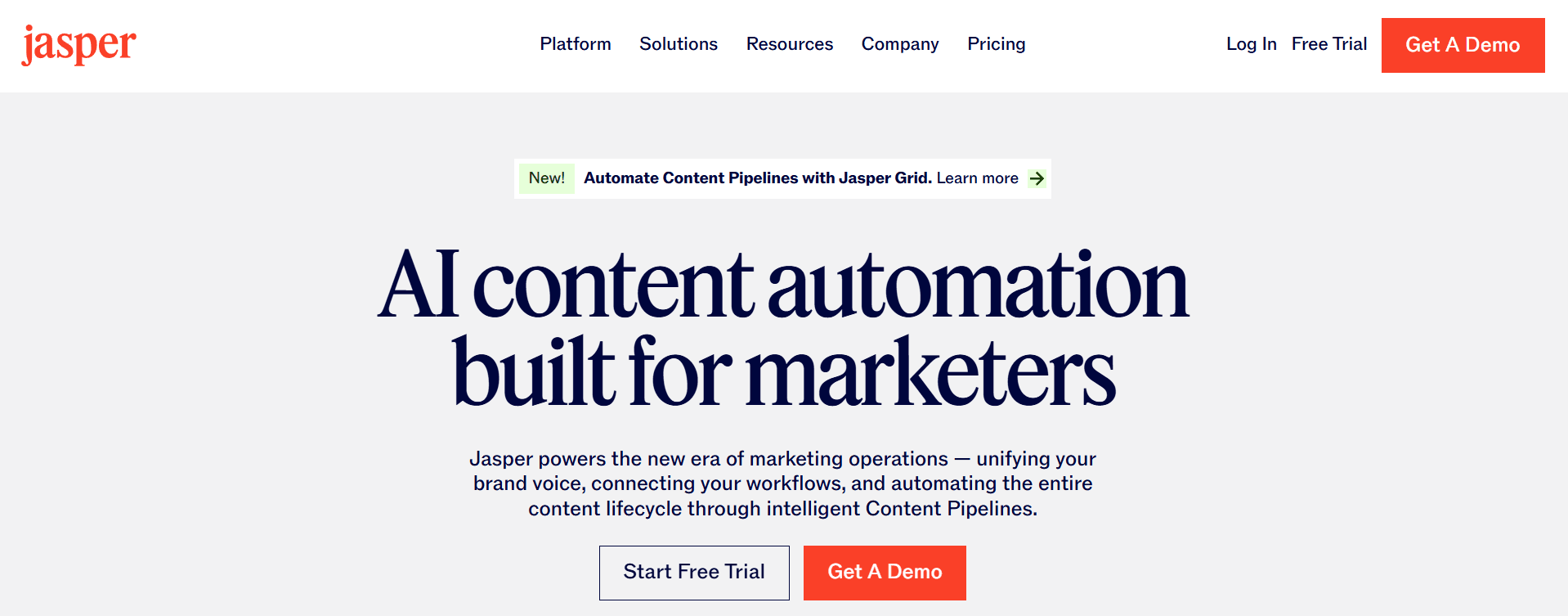
Jasper can be used to create full blog posts based on SEO briefs or email sequences with a proven structure. It works particularly well with campaigns as well. Enter your offer, target audience, and main objections to let Jasper create messaging, headlines, and CTAs for different platforms.
Long-form content, such as e-books and webinars, is also supported on the platform, but it pulls in research and outlines to generate structured drafts more quickly than they would have been created manually.
Jasper supports integration with tools such as Google Docs, WordPress, Surfer SEO, and Zapier, which means that the marketer can post content on the platform or even connect the content to their CMS.
Copy ai
Copy ai is a lightweight, high-speed AI tool that is aimed at creating short-to-medium length marketing copy, including advertisements, emails, product descriptions, and social media posts. It is also rapid and uncomplicated, having hundreds of ready-made workflows of commonly-used tasks, which is ideal for use by marketers who require quick implementation.
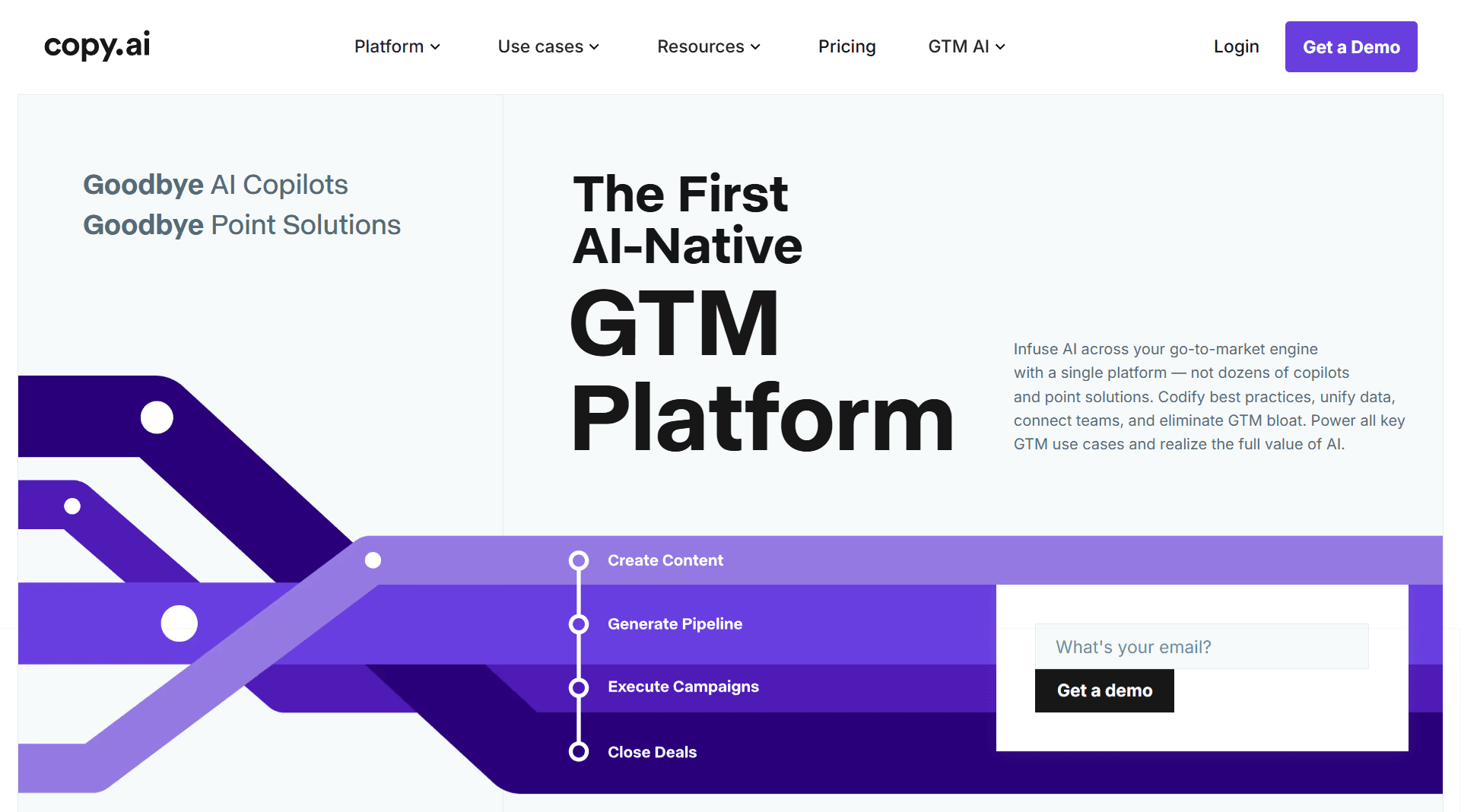
Copy ai can help marketers create countless variations of ads by mixing and matching email subject lines or bodies that increase open rates. It is very good at large volume activities such as creating 50+ headlines or messaging to different parts of a buyer funnel. To performance marketers, it may take a winning ad copy and turn it into entire campaigns, with hooks, benefits, and objections management.
Writesonic
Writesonic is an AI-based platform that integrates content generation with native SEO capabilities, enabling businesses to produce optimized blog posts, landing pages, and ads, which are well-ranked. It offers such tools as keyword search, content graders, and chatbot creators, which make it a one-stop place for growth marketers and content experts.
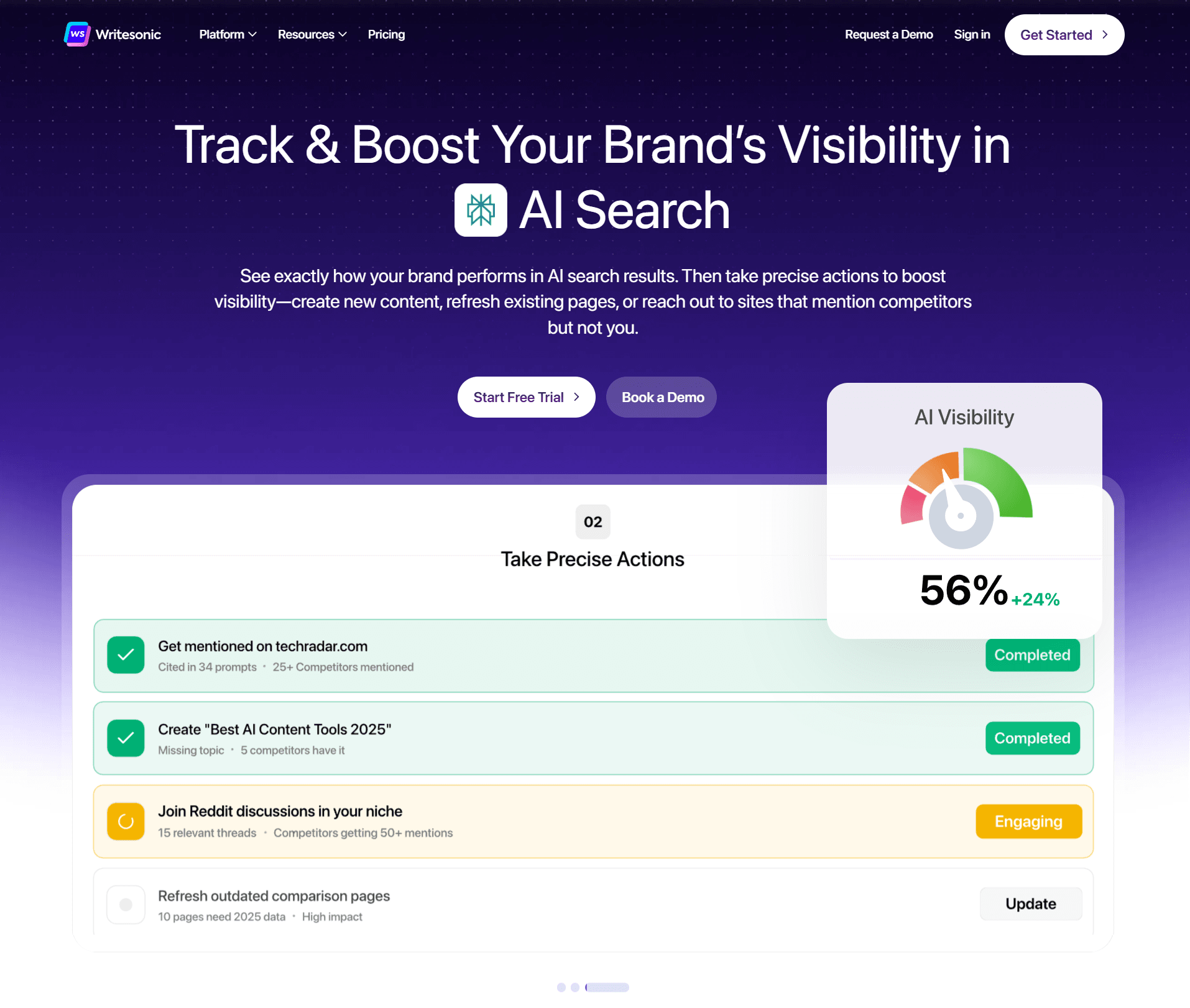
Writesonic can be used by marketers to convert clusters of keywords into complete SEO articles, create landing pages with high conversion based on product briefs, create ad copy with performance forecasts, and create FAQ or chat flows for websites.
It is powerful in generating funnel content. For example, when a user enters a journey phase, it will create a customized copy that resonates with pains and advances the prospects. Video scripts, podcast outlines, and social reels are also supported on the platform, which is why it can be used as a multi-format campaign.
Looking for an AI Tool You Can Actually Use?
Run AI driven engagement campaigns without complex setup or technical skills slowing your team down.
Automate with ZixflowAI productivity tools
This section outlines the AI tools that assist in productivity due to their ability to automate tasks, optimize workflows, and make your team more efficient.
Notion AI
Notion AI is an in-app assistant that is a part of the all-in-one workspace of notes, documents, wikis, and databases in Notion. It also assists in systematizing research and automating redundant documentation processes.
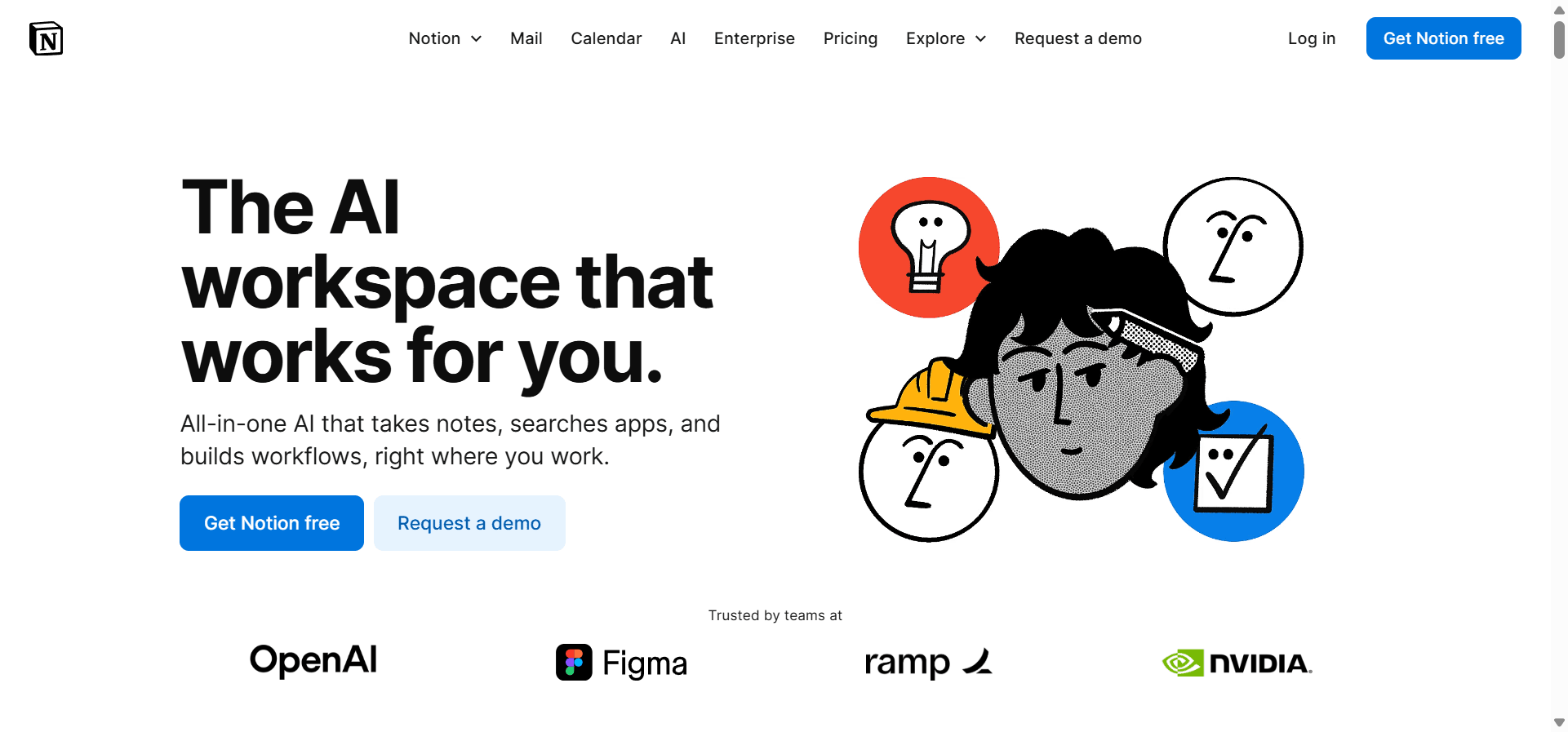
Marketers can brainstorm ideas about their campaigns (using the Notion AI), expand bullet points into full sections, summarize long research threads, and create tables or timelines of content calendars. It is perfect to transform the ideas into an actionable roadmap from scattered briefs that can be used by the entire team. The AI is also useful in querying databases, including the extraction of insights out of lead lists or campaign trackers.
ClickUp AI
ClickUp AI integrates AI within the project management system and assists marketers in planning the campaign, allocating tasks, creating status updates, and assessing the progress in the form of a centralized dashboard. It is created to support the teams with various projects effortlessly.
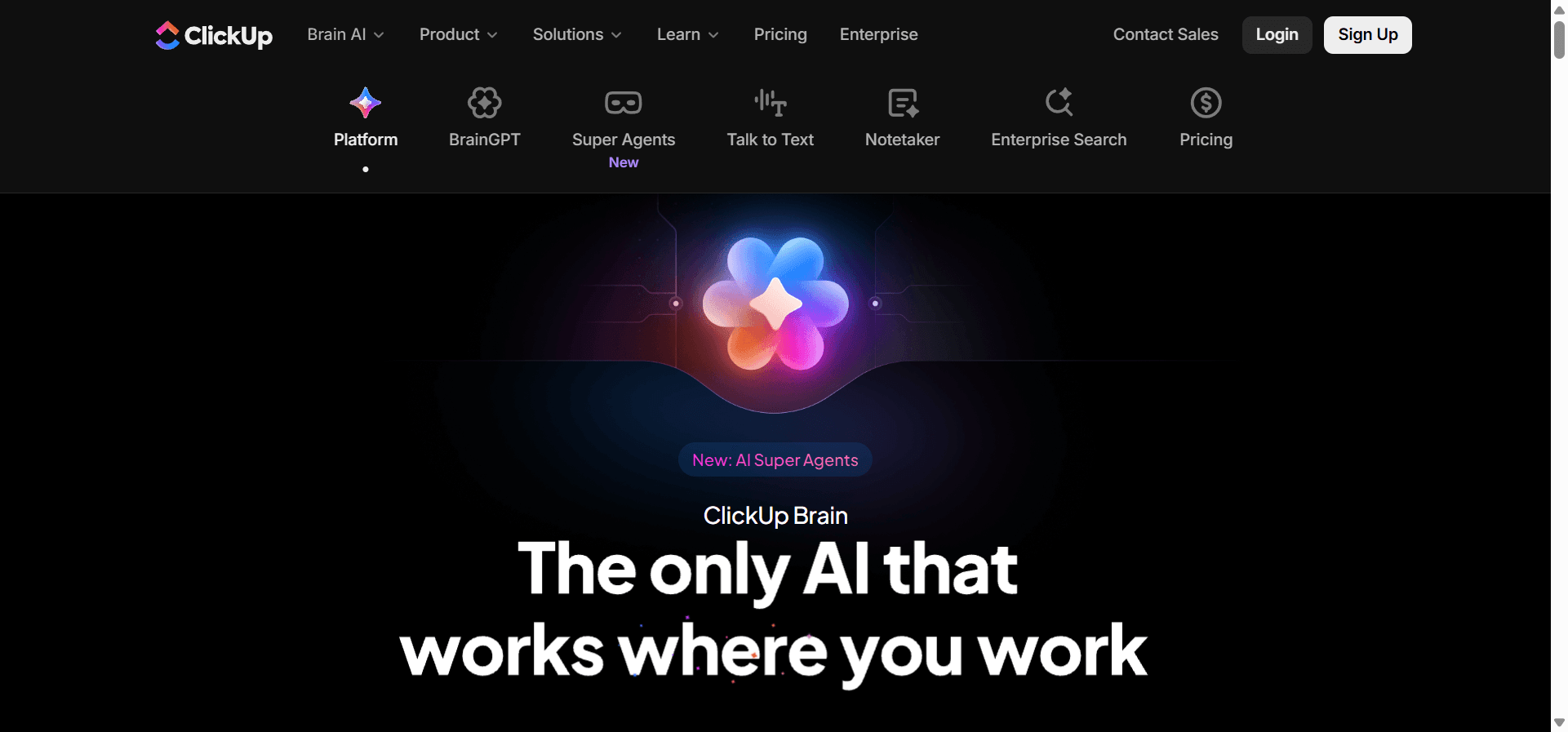
Using ClickUp AI, marketers can use campaign briefs to automatically design task lists, create draft progress reports about what has been done, and summarize quarters to stakeholders. The tool shines during complicated workflows where AI can generate sub-tasks for writing and researching based on a high-level objective.
Zixflow
Zixflow is an artificial intelligence-based CRM and automation solution that coordinates customer communication on WhatsApp, SMS, RCS, and email with in-built segmentation, campaigns, and workflows.
It assists marketers in lead management, personalized communication, and automation of interaction without the need to change tools, and it has clear pay-as-you-use pricing along with a 7-day free trial to check out the platform without committing to anything.
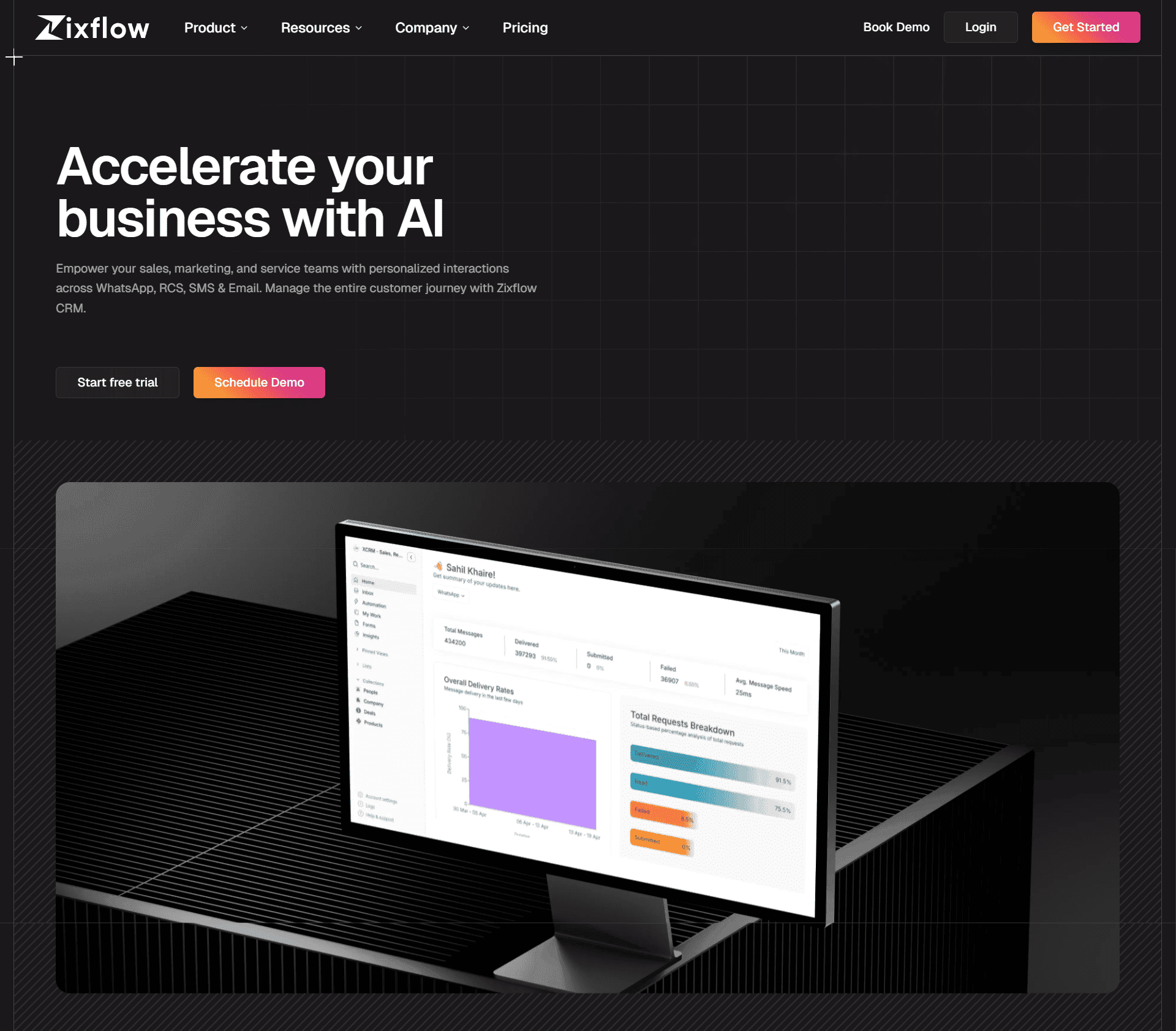
Zixflow lets marketers segment audiences based on AI insights, run multi-channel campaigns (e.g., WhatsApp Broadcasts and email follow-ups), automate cart recovery, and monitor replies in a single inbox.
It works well with the high-engagement strategies such as personalized nurture flows, OTPs, reminders, and re-engagement activities according to behavioral triggers. The tool works with data enrichment (e.g., finding emails or custom fields) and personalization on the fly to achieve increased open and reply rates.
Zixflow also easily connects with 6,000+ apps, such as Shopify, Google Sheets, Calendly, and Typeform, to synchronize leads and launch automations on your stack.
Users can link it to external platforms to form closed loops where campaign data is fed back into segments to be used in more intelligent future outreach. This enables it to be a productivity powerhouse with omnichannel teams that are conversion and retention-oriented.
AI multimedia tools
This part illustrates robust AI-based multimedia tools to help build and develop visual content. Whether it is the creation of tailored images or editing multimedia materials, using these solutions is easier and quicker than before.
Canva
Canva is a visual design tool that has strong AI features for creating pictures, editing photographs, making presentations, and creating social graphics. Their free tier is powerful, and they have premium options available to teams with brand collections and more sophisticated AI capabilities. Marketers who do not have a design background could use it to create professional-style visuals.
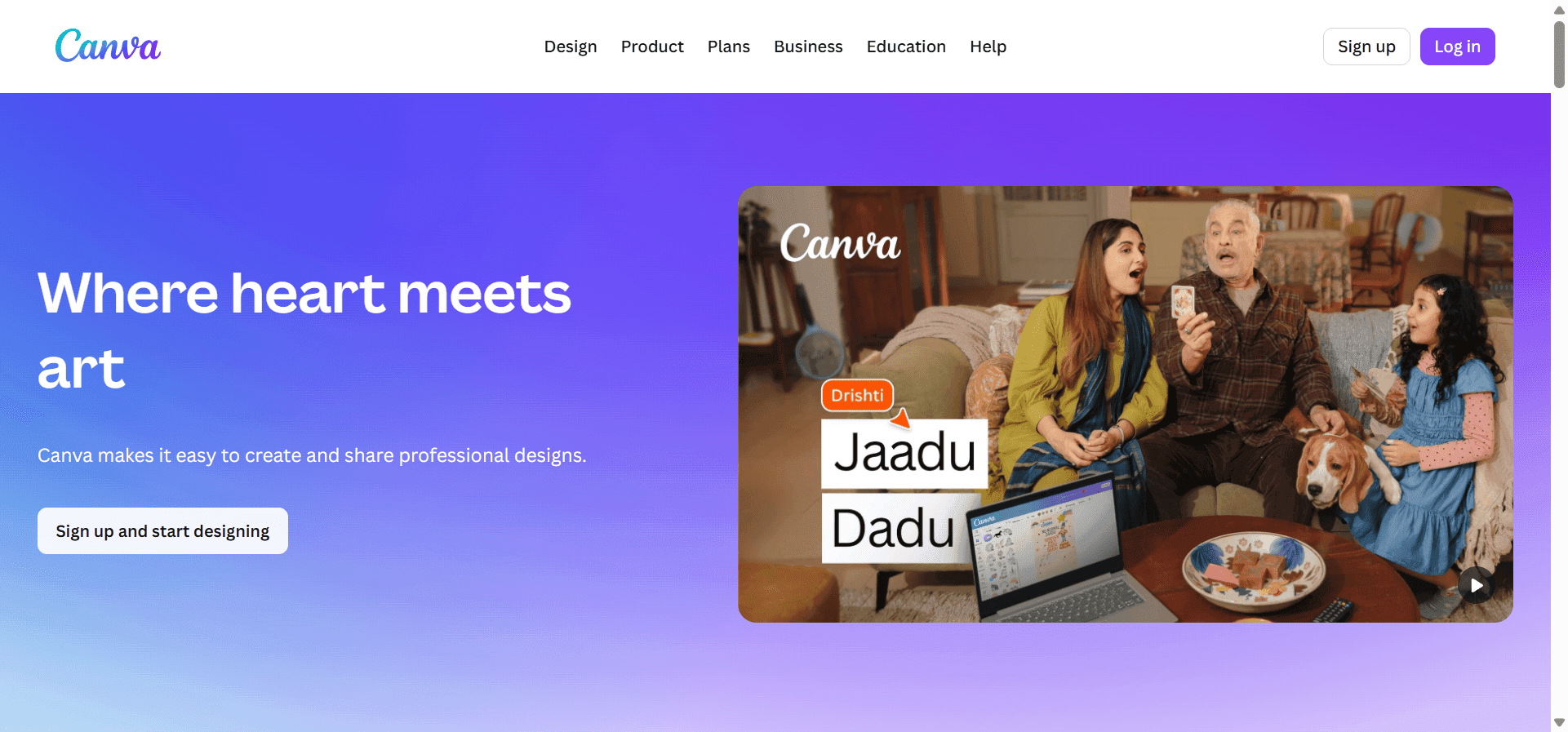
Canva allows marketers to create their own images based on text inputs (through Magic Studio), cut backgrounds, upscale low-resolution images, and build entire ad sets, social posts, infographics, and email headers within a few minutes.
It works best in campaigns where branding has to be consistent across platforms, such as transforming a post on the blog into a carousel, thumbnails, and a series of stories. AI also proposes layouts, colour schemes, and tweaks of copy depending on your content.
The uploading of brand fonts and logos can be done once to let the AI automatically apply them in thousands of designs, generating a pipeline of visuals that is complementary to the text generation workflows.
Midjourney
Midjourney is an influential AI image generator that is available through Discord, and its specialization is high-quality, artistic visuals based on detailed text prompts. It has mastered developing distinctive branding features, concept art, and campaign imagery, which can be accessed by individual markets at a low cost.
Midjourney enables marketers to create hero images on landing pages, mood boards on campaigns, product mock-ups, and abstract graphics on ads or social media posts that will stand out in the feeds of hundreds of others. It also creates variations that are ideal in A/B testing by refining the prompts with references to style (e.g., "cyberpunk product shot in Pixar style").
Pictory
Pictory is an artificial intelligence platform where long-form content, such as blogs, scripts, or podcasts, is turned into a short video with stock footage, captions, and voiceovers. It is optimized for marketers who use assets to create social clips and advertisements.
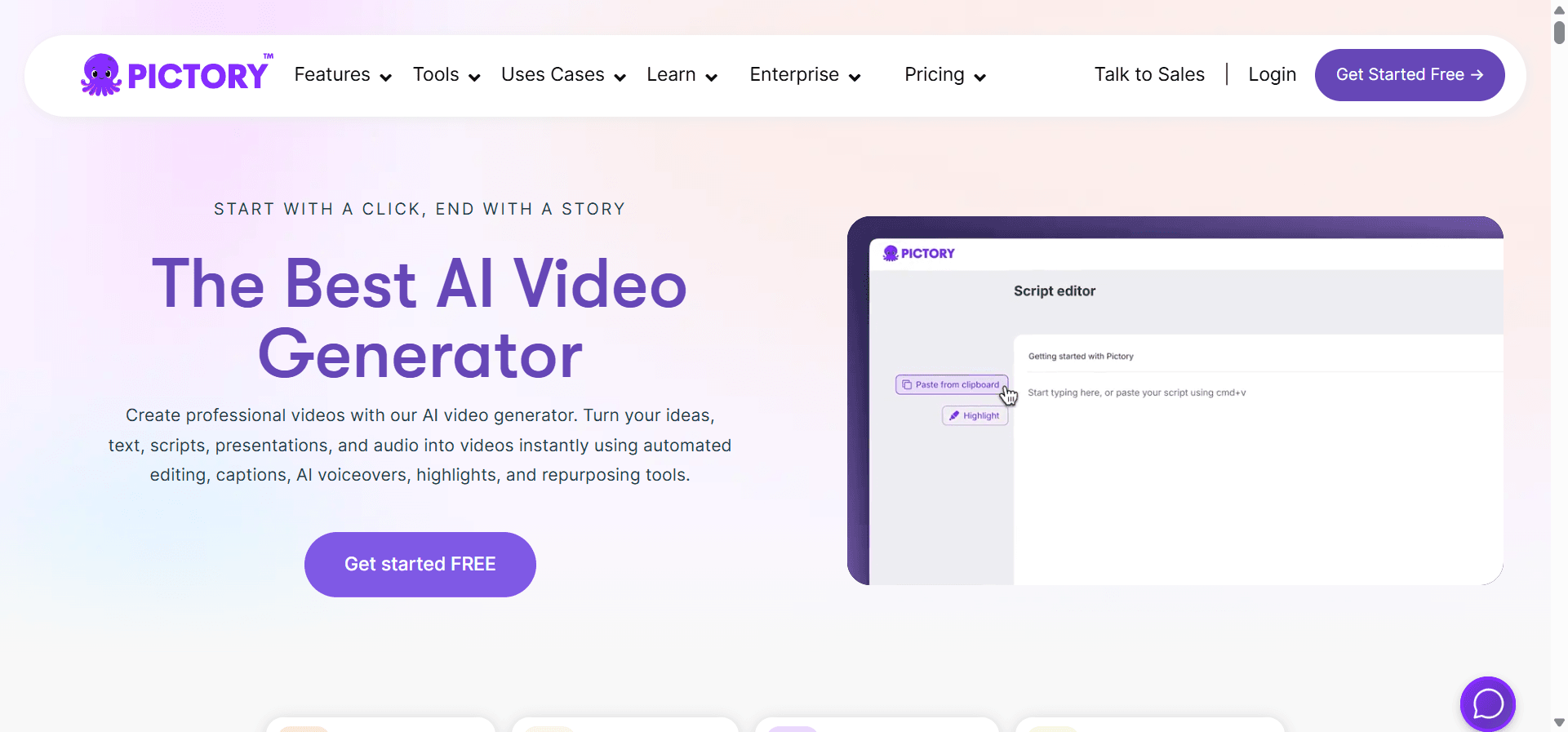
Marketers are given an option of uploading a blog post or a transcript of a webinar, and Pictory will automatically create highlight reels, quote cards, or explainer videos that are optimized for LinkedIn, Instagram, or YouTube. It also includes B-roll, music, and the voice of AI to prepare content that is video-ready without editing skills.
Synthesia
Synthesia produces authentic AI avatars, video-based on text scripts, and supports 120+ languages in order to run global campaigns. It is ideal for marketers creating training demos and customized messages.
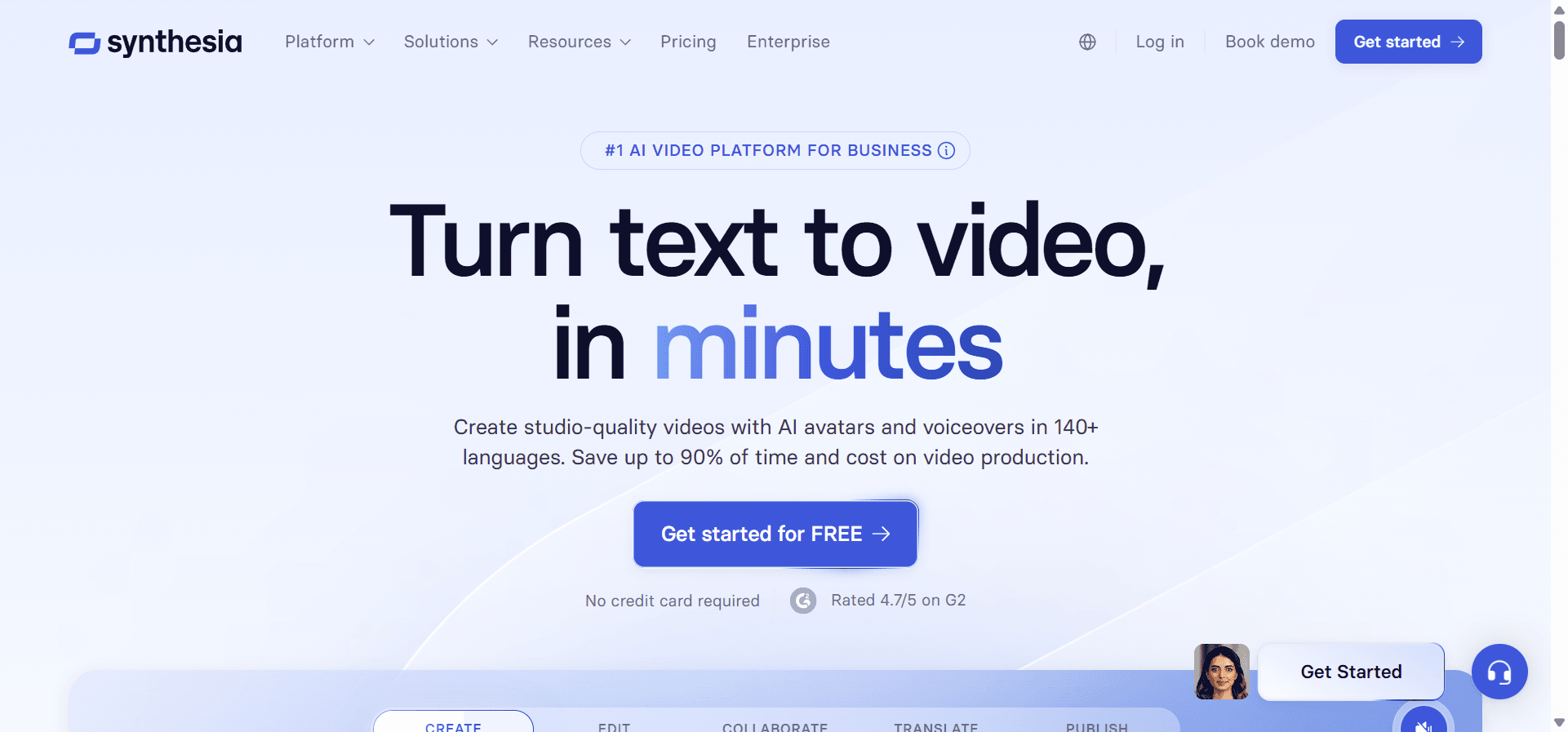
Product descriptions, onboarding videos, sales videos, and 1:1 custom messages (e.g., "Hi [Name], this is why [Product] is good for your needs) are all uses of Synthesia by marketers. Avatars offer natural delivery of scripts, which is perfect when scaling video without shooting.
Enhance your business operations with the correct AI tools
Intelligence and usage by AI help businesses to operate quicker, smarter campaigns without substituting human strategy or creativity. The most effective teams identify 3-5 tools that address their largest bottlenecks and connect them through native integrations to quantify outcomes that impact revenue.
The next step for you would be to test a tool to see how much time you save, the quality of output, and the performance improvement in two weeks, and then repeat using actual data.
No matter if you are a solopreneur who needs to scale organic performance or an enterprise that needs to optimize customer engagement, these tools turn complex workflows into repeatable systems.
Ready to build your AI stack?
Sign up for Zixflow’s 7-day free trial or talk to our team to figure out the best way to leverage the platform to streamline your business.
Frequently asked questions about AI-driven tools
This section answers common questions marketers have about AI-driven tools to help clarify practical use cases, limitations, and best practices so you can make informed decisions with confidence.
What are the best free AI tools for marketers in 2026?
The top AI-driven tools on the list are ChatGPT, Canva, Gemini, and Zixflow, which are free of charge when it comes to ideation, design, automation, and organization. They are ideal to start with before upgrading, as they do most of the daily and marketing activities easily.
How do I choose between ChatGPT, Claude, and Gemini for marketing?
ChatGPT is very strong in brainstorming and content generation for a wide range of activities. Long-context research and strategy docs are best handled by Claude. However, Gemini can be used with Google Workspace to ease the migration of existing Docs/ Sheets teams. Test each of your favorite features in each of your top use cases (e.g., ad copy vs. reports) to find which one fits your workflow.
Can small teams afford a full AI marketing stack?
Yes. Begin with a bundle of pro plans of $50-150/month that includes content, design, and automation. Free plans go to 5-10 users, and the ROI of saved time and prompt campaign development can be seen within hours.
Are AI tools safe for customer data and compliance?
The majority of enterprise-level software is GDPR/CCPA-compliant, encrypted, and has an option of not being trained on actual customer data. Always check privacy policies, never enter sensitive data in free/general assistants, and use tools that have transparent retention policies for lead or PII information.
What’s the biggest mistake marketers make with AI tools?
Having 10+ tools can easily overload your team. Instead, knowing how to use 2-3 tools will resolve actual bottlenecks. Take one workflow (e.g., content pipeline), measure how much time was saved when using a particular tool, and scale from there. The brand voice and fact-checking by humans mean avoiding generic output and incorrect information.