28 Different Types of Sales You Must Know (2026 Guide)
Complete guide to 28 types of sales, including B2B, B2C, SaaS, enterprise, inbound, outbound, inside, outside, social, channel, plus methodologies, and modern sales roles.
 by Neha Sharma
The 28 most common types of sales fall into these four categories:
- Market-based - B2B, B2C, SaaS, Enterprise, Franchise, Retail, and Wholesale sales
- Channel-based - Inbound, Outbound, Inside, Outside, Direct, Channel, Online, and Social sales
- Methodology-based - Solution, Consultative, Insight, Provocative, Challenger, and Collaborative selling
- Tactic-based - Referral, Cross-selling, Transactional, Flash, Experimental, High-pressure, and account-based sales
Choosing the correct type of sale depends on your business and its offerings, along with the complexity of your sales cycle.
Closing a deal is not a simple one-step process as it may seem for some of you. Selling goods or services to customers in exchange for money takes considerable time, effort, and proper strategy.
Not everyone can be a good seller and add value to the service. Particular skills are required to be a good seller, use sales engagement, and close deals.
The two critical placeholders involved in a sales transaction are a seller and a buyer. There is a deal that the seller and the buyer discuss to close to secure the most suitable solution for either party. The sales types and the necessary needs to close it will vary depending on what kind of deal it is.
As an aspiring salesperson, you must know various types of sales to advance your career. Having said that, here are the different types of sales you must be familiar with.
Different types of sales you should know about
When it comes to sales, it encompasses a variety of approaches and techniques tailored for suitable situations or customer needs. Below are some of the most common types of sales:
With that said, let’s look at each of them in detail.
Types of sales by who you sell to (market-based)
B2B sales
B2B stands for business-to-business sales. It is the sales between companies offering their products or services to other companies. Individual customers are not involved in such sales. There could be an individual buyer or an individual seller, but they are working to close the deal for their company respectively.
Considering the deals are more prominent in these cases, the values and the terms are more complex. There are three different subtypes of B2B sales:
- Supply sales: Businesses can generate revenue by providing goods and services. Such goods and services form part of the need for other companies.
- Distribution sales: The selling to wholesalers, who sell to end users, is called distribution sales.
- Service sales: The sale of intangible or digital services. They are integral to the operation of another enterprise (consultants or software).
B2B sales include a more significant size, economic significance, and complicated sales process with multiple stages. The process is more inclusive and draws in more participants.
The time involved in closing a deal is higher. In the case of B2B sales, one-time purchases are unusual, and the emphasis is on building lasting partnerships. So, having an effective supplier relationship management process plays a key role in maintaining these long-term business connections.
So to simplify the sales process, you need a sales application that will streamline the workflows and make everything more efficient.
B2C sales
B2C sales is a sales transaction between a company and an individual. It is the acronym for business-to-customer sales types. These deals generally have lower economic value, take less time to close, and have lesser complexity.
There is no reason to believe that B2C sales always refer to direct sales between a manufacturer and a buyer. It could also refer to a sales transaction between a buyer and a distributor.
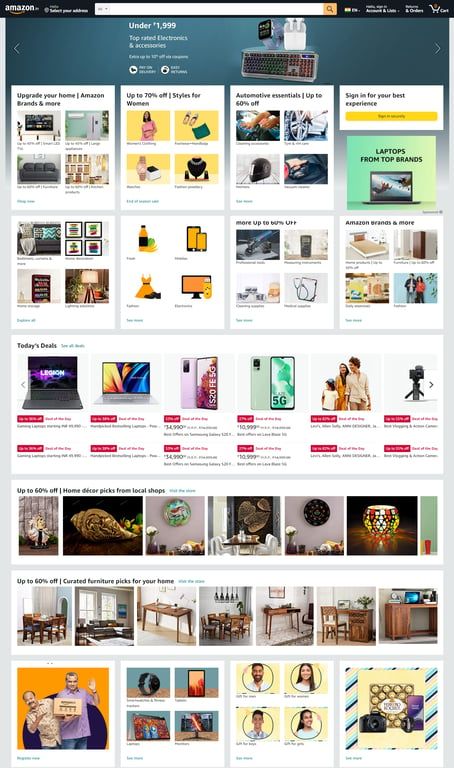
For example, e-commerce platforms are a B2C type of business. In the case of B2C sales, the transaction is more about the brand and price. It also depends on how well the salesperson can emotionally pitch the product to the customers.
SaaS sales
SaaS is short for Software as a Service. SaaS sales refer to the sale of software hosted by one company to another, mainly in the form of a subscription plan.
With a technological shift from a manual working environment to a more digital setup, SaaS sales are becoming increasingly popular. SaaS sales is not a simple job, as the salesperson should clearly understand the software before selling it to the customer.
Zixflow is one such application that enables you to close more deals and increase B2B sales. It's packed with everything you need from managing your clients’ data to sending personalized messages to boost conversions and generate revenue.

Enterprise sales
Enterprise sales are all about offering your products and services to other enterprises. These kinds of sales often involve six or seven-figure contracts that are executed over a long period of time.
Since the stakes are extremely high compared to an online sale, enterprise deals require navigating complex decision-making structures, where multiple stakeholders, managers, and executives are involved. They must be convinced before a deal is closed successfully, and a complete timeline must be prepared of how the order would be fulfilled beforehand.
These kinds of sales cycles usually stretch over months, sometimes years, and require a consultative approach that demonstrates not just your product’s features but also its strategic value to your potential clients.
A great example of this kind of sale is a software solution like Zixflow, selling its Business Suite to a global brand like Tata Consumer. The sales process consists of showcasing a detailed ROI modelling and demonstrating how the platform can help them solve their current communication challenges. Having this dialog, along with the proof of concept that the solution is scalable with their business.
Franchise sales
Not a traditional sales type, franchise sales involve selling the rights of your business to an individual or an enterprise, where they operate under your brand’s business model and flagship name. In this kind of sale, instead of selling a product, you are selling an opportunity and a proven system with brand recognition.
It is a kind that requires a deep understanding of both the business and the prospective buyer. As a sales rep, it is your job to clearly articulate the value of joining a franchise network. For example, these values can include reduced startup risk, training your internal teams, and getting marketing assistance to promote your offerings.
At the same time, you must qualify leads carefully to ensure the potential franchisee has the financial stability and motivation to succeed in your business. Unlike product sales, franchise sales are all about selling long-term commitment that can span years, if not decades.
Retail sales
Retail sales are sales directly to end consumers by a physical store, online store, or both. Retail is a broad term across a variety of different stores, from convenience stores to luxury boutiques to large department stores.
Retail sales employee positions are usually related to in-store customer service, product knowledge, upselling, and inventory turnover.
Retail is different from B2C in that it directly applies to the channel (store) as opposed to the customer type. A direct-to-consumer brand that sells online is B2C but not retail; a Walmart store is B2C and retail.
Wholesale sales
Wholesale sales are the sale of large amounts of goods to retailers or other businesses at a reduced price. Wholesalers are intermediaries between the manufacturers and retailers, purchasing goods from manufacturers in bulk and reselling to retailers in smaller quantities, which is then resold to end consumers.
The margins on the wholesale level are smaller, and volumes are larger per unit than at the retail level. Wholesale is usually B2B oriented with long-term supplier relationships, negotiated pricing levels, and credit terms.
Types of sales by how you reach customers
Inbound sales
Inbound sales is a buyer-centric sales engagement approach that focuses on responding to and engaging with potential customers who have already shown interest in your product or service.
This interest could be demonstrated through inquiries, website visits, or engagement with marketing materials. Inbound sales representatives aim to understand the needs and preferences of these potential customers, providing them with relevant information to help them make the right decision.
By offering value and assistance, you aim to convert interested prospects into satisfied customers, fostering long-term loyalty and retention. For instance, a blog page is the best way to encourage your visitors to take the desired action as they are already aware of your company.
You can ask them to sign up for your email newsletter or try out your product for free by placing these options at a convenient location on your blog page.
Outbound sales
Outbound sales, on the other hand, involves proactively reaching out to potential customers who may not have expressed initial interest. This sales approach requires sales representatives to initiate contact through methods like outbound calls, email campaigns, or targeted advertisements.
Outbound sales strategies often require more persuasion and convincing, as the recipients might not be actively seeking the product or service being offered. Tools play a big role in outbound sales, with solutions like Zixflow, you can automate communication and workflows, aiding you in managing your outreach efforts efficiently.
Inside sales
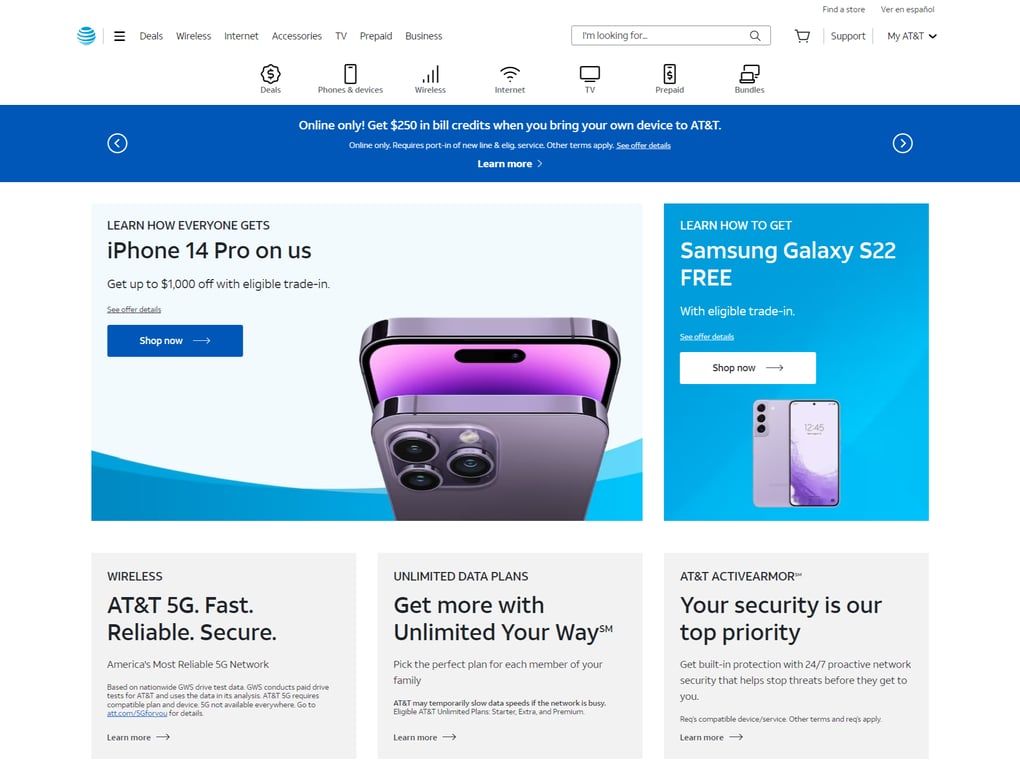
Inside sales occur when a sales staff interacts with a prospective client or existing customer remotely, often using digital communication channels, such as phone calls, email, video conferencing, and online chat.
Inside sales reps conduct their sales efforts from within a company’s office or a remote location. The organizations that follow inside sales are more streamlined. This sales approach has gained prominence with modern technology and the ability to connect with customers virtually.
Outside sales
Outside sales refer to a type of sales that is not restricted to office space. Outside sales personnel travel to meet with prospects in their environments. Such a sale type is often called field sales.
Outside salespeople often deal with fewer clients. The deals they manage are more complex and need a strategy. This places a premium on their relationships with those clients.
Besides, certain portions of outside sales can get handled from afar because of technological advances. Still, salespeople in this role must prepare to reach the client on short notice.
Outside sales impact total revenue less, but we cannot underestimate their importance. There is a higher demand for personal interaction for more significant transactions. A successful outside salesperson has to be self-driven and goal-oriented. They should be able to read expressions and body language.
Direct sales
Direct sales is one of the most common types of selling where you directly sell your offerings to customers without using retail channels or intermediaries. In this approach, you reach out to potential customers to establish personal relationships, provide product details, and help them move across the sales funnel.
An example of this kind of sale is direct-to-customer sales. Here, companies directly discuss customer requirements and market their products or services. B2C sales is another subsegment of direct sales. The sales pipeline in direct sales can either involve single or multiple transactions.
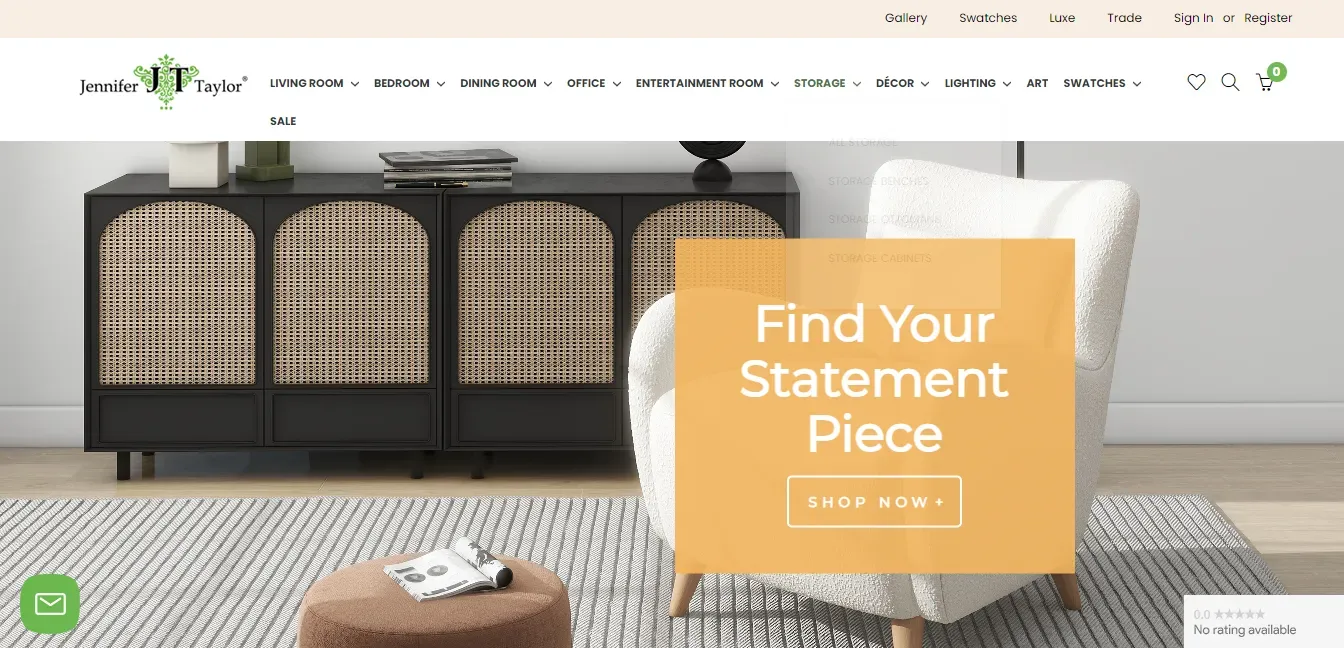
Jennifer Taylor Home offers top-class furniture crafted by hand. You can buy these furniture pieces by visiting its site and ordering them directly from the source.
Channel sales
Channel sales are the sale of products or services through third-party intermediaries (i.e., distributors, wholesalers, retailers, resellers, or affiliate partners) instead of the end user. The third party has the customer relationship and makes a margin/commission on each sale. The original company gains reach and geographical coverage that would not be possible to achieve on its own.
There are three types of common channel sales:
- Distributor model: Where inventory is purchased in volume by a distributor, and then sold to retailers or end customers (such as hardware, FMCG, or electronics)
- Reseller model: Reseller sells your product in addition to their services (typical in B2B software and IT business)
- Affiliate model: A partner brings in customers and is only paid on a closed sale basis (common in the e-commerce industry)
Successful channel sales need good channel partner enablement that consists of training, marketing, and co-selling.
For example, HP utilizes global intermediaries, such as Amazon, Best Buy, and Walmart, to sell its products to a large number of customers. Sales through these third parties make up a large portion of HP’s revenue as they manage seasonal demand and offer in-person purchasing options to customers.
Online selling
Online selling, also known as eCommerce selling, is one of the most familiar forms of selling in the present day. The recent statistical data on B2B sales reveal that 61% of the sales process begins online, while most of the sales process is carried out online for at least two years to impress prospects. For this, the customers use the internet to visit the website of the desired company. The site should have a good design, so the customer feels welcomed.
The online selling platform should also have a design such that it should address all queries of the customers and have the necessary information about products readily accessible.
Nowadays, WhatsApp ecommerce stores are created by brands which allows customers to directly order the products through WhatsApp.
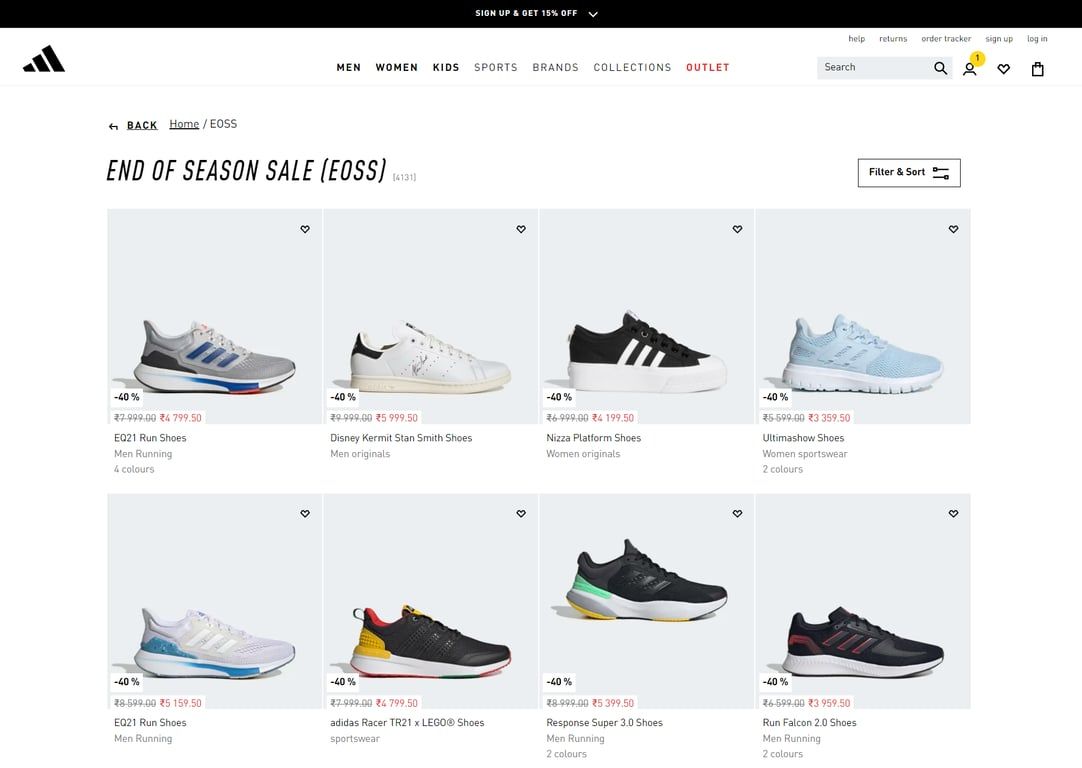
It is a cost-effective way of selling as no mediator is involved. It would help if you focused on positioning your brand to the right WhatsApp group, have a proper sector segmentation, and target the right audience. Here’s an example of Adidas and how it showcases its products using a clean website layout.
Social selling
Social selling is a selling technique where you use brand channels and social media avenues to increase your number of sales. Customer interactions are essential in social selling.
In fact, as per LinkedIn’s report, 76% of users have no problem with you reaching out to them to converse. But that doesn’t imply that you have to pitch them your offerings.
Social selling, combined with social media monetization, is a trending sales engagement strategy that is all about creating relationships, social prospecting, and interacting regularly. So, start by building valuable relationships and then think about marketing your products or services.
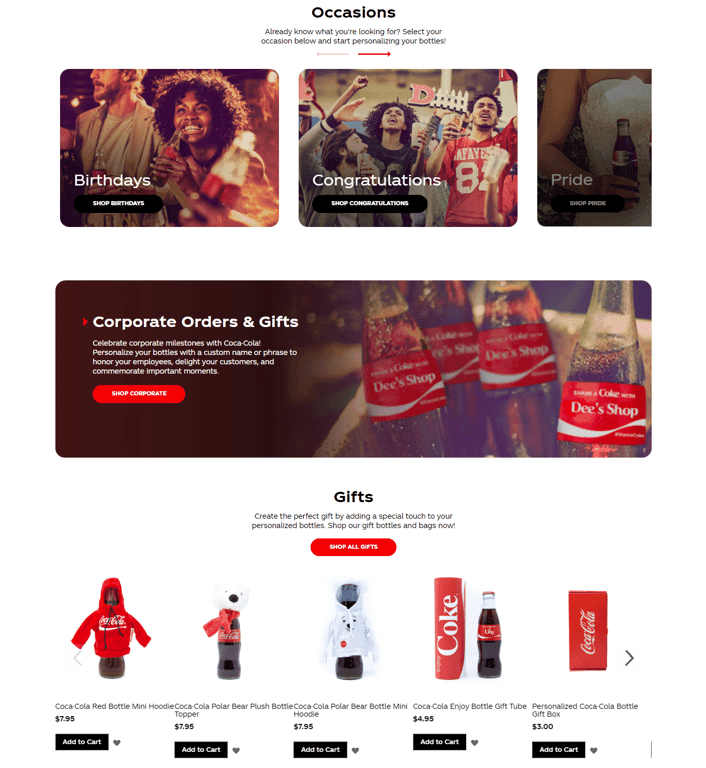
Coca-Cola offers gist and occasion bottles that you use to commemorate special events in your life. It also provides consumers the option to customize their bottles which they can share on social media platforms.
Types of sales by methodology (approach-based)
Solution selling
Solution selling puts your product/service in the position of being the solution to your customer's problem that they are trying to solve. Here, you don’t start by telling the customer about the features, but rather start by describing the pain point, and then explain how the features alleviate the pain.
Solution selling usually consists of a discovery process, a demo that is specifically tailored to your customer's situation, and a pitch that is based on the use case. Solution selling is effective when:
- The product is complicated enough that customers are not able to easily judge it based on its features
- The buyer knows what his problem is, but they does not know how to solve it
- The buyer is thinking of several different strategies
Not as effective with transactional purchases where the buyer is well-informed on what they need. Successful solution sellers are trusted advisors, not salespeople who sell on price. It's very important to establish a good rapport with your customers.
Consultative sales
Consultants are mostly experts in certain fields. They are subject matter experts having a good amount of knowledge in a specific sector. These may include education, accountancy, human resources, sales management, marketing, and engineering.
These consultants can help in consultative selling through presentations and reporting. Consultative selling is popular among top management of companies.
Consultants fit into two categories — a consultant who works within the company and one who works externally. A consultant within the company advises other divisions on matters about his expertise. The term "external consultant" refers to the temporary individual brought in.
You can adopt a consultative approach to selling by drawing on various sources. These include buyer interviews, market research, and user feedback. The information gained is then used to create a story using your sales storytelling skills. Such simplifications help your customer better understand your offerings.
Insight selling
Insight selling is a sales methodology that begins by sharing content that helps the buyer with the market, industry, or business. The seller is a strategic adviser who provides information and patterns to the buyer that they might not have seen without the seller's input.
The point is to change the buyer's perspective on their situation, so that there is a sense of trust and the seller becomes sort of an expert for the buyer, rather than a vendor. There are two main types of insight selling:
- Opportunity insight: When a seller brings something to the buyer's attention that is new, and the buyer considers that as a new opportunity for savings, growth, or a competitive edge
- Interaction insight: The seller asks the right sales qualifying questions to elicit the buyer's deeper needs and then relates those needs to a customized solution
Insight selling is best suited to B2B products when clients are in the middle of their research and are looking for insight rather than a pitch.
A great example of this is a marketing platform rep taking a CMO on a journey about how their competitors are utilizing a particular tool and then linking that pattern to a specific gap in the CMO's stack.
Provocative selling
Geoffrey Moore and Philip Lay of the early 2000s developed Provocative Selling, a sales method in which the seller deliberately challenges the buyer's current presumptions and points out issues that the buyer has not noticed.
Consultative selling is based on the buyer's identified needs, and provocative selling is based on the opposite of that.
The provocative selling depends on a lot of industry understanding. You, as a seller, have to know your field so you can spot the things that the buyer is missing. It's most commonly applied in complex B2B sales, when the buyer's current solution is not working up to their standards, and they are willing to stick with it.
A cybersecurity vendor, for instance, telling a prospect that their company's "we're too small to be targeted" stance is incorrect based on the statistics, and then showing them breach data of companies similar in size.
Challenger sale
According to The Challenger Sale by Matthew Dixon and Brent Adamson, there are five types of sales rep personalities
- Hard Worker
- Relationship Builder
- Lone Wolf
- Reactive Problem Solver
- Challenger
They discovered that Challengers, who teach the customer a new thing about their business, adapt the message to the customer's situation, and own the sale, are ~54% more effective at complex B2B situations than all other profiles.
Challenger selling is what provoking selling blends in with, but it introduces two things: a structured “teach-tailor-take control” approach and a focus on commercial insight (sharing data that's not available elsewhere with the customer).
For example, a sales representative working for an automation tool doesn't start with product features. Rather, they are sharing research about the changing landscape of the customer's industry and how that change is a problem the customer hasn't been planning for. Once the customer understands these problems, only then will they place their platform as the answer to that problem.
Collaborative selling
Collaborative selling or partnership selling involves close collaboration between you and your partner to provide the best solutions to your customer and help each other achieve your sales goals.
Collaborative sales aim to replace one-off deals with long-term partnerships. They function more like strategic alliances. The customer-facing teams must share the same information, objectives, and analysis. They should work as one unit so that the company can consistently provide value to the customers.
The approach quickens cycles for repeat business and lowers churn because the customer feels ownership of the outcome. For example, Uber and Spotify's partnership lets riders play their own playlists during trips. Neither company "sold" the feature individually, but both gained customer loyalty by collaborating.

Types of sales by tactics
Referral sales
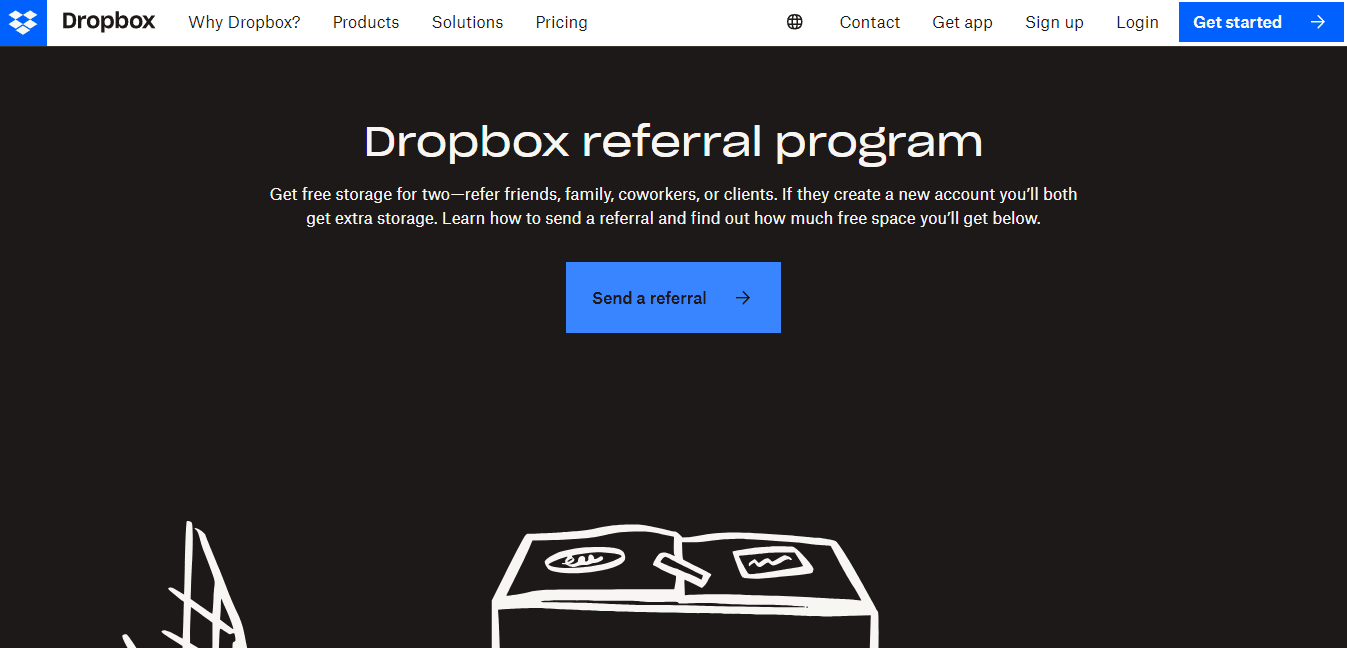
Referral sales leverage the power of word-of-mouth marketing by encouraging current customers to refer friends, family members, colleagues, or acquaintances who might benefit from your offerings.
Existing customers become advocates for your brand, sharing their positive experiences and recommendations. Referral programs typically offer incentives, such as discounts, rewards, or exclusive offers, to customers who successfully refer new customers.
This type of sales relies on building strong customer relationships and delivering exceptional value, as satisfied customers are more likely to recommend your product or service to others.
Cross-selling & upselling
Cross-selling and upselling are sales techniques that allow you to maximize customer lifetime value. Cross-selling involves recommending complementary products, like selling a phone case with a smartphone, while upselling encourages customers to purchase a higher-tier or premium version of the product (e.g., upgrading from a basic to a pro subscription).
These sales types rely heavily on knowing your customers and having a solid relationship with them. A rep must understand customers' needs to make highly tailored recommendations that feel natural instead of pushy.
If done right, cross-selling and upselling have the potential to enhance your customer experience by providing more while also boosting revenue. Brands like Amazon have mastered this approach by recommending “frequently bought together” products to increase the likelihood of selling more products effectively.
Transactional sales
Transactional sales are simple, low-complexity sales that are done with the intention of completing the purchase, and not so much on fostering a relationship.
Most customers have a clear idea of what they'd like, will make a decision very quickly, and won't be looking for a lot of interaction with the business. Typically, margins in transactional sales are low, but volume makes up for it. Successful transactional sales are designed for speed, convenience, and conversions.
Common products that come under transactional sales include consumer electronics accessories, fast food, retail items, mobile app subscription services, and most e-commerce. Your job as a seller is to eliminate the hurdles by providing transparent pricing and speedy checkout with minimal information.
The top-selling strategies that usually work are:
- Providing a limited-time discount to shorten the decision-making time
- The one-click checkout feature to minimize cart abandonment
- Suggesting complementary items at the point of sale (like "customers also bought…")
Transactional sales don't work for products that need a level of trust or that need major behavior change. They are not commonly used in a B2B environment, unless it's an inexpensive, self-service software.
Flash sales
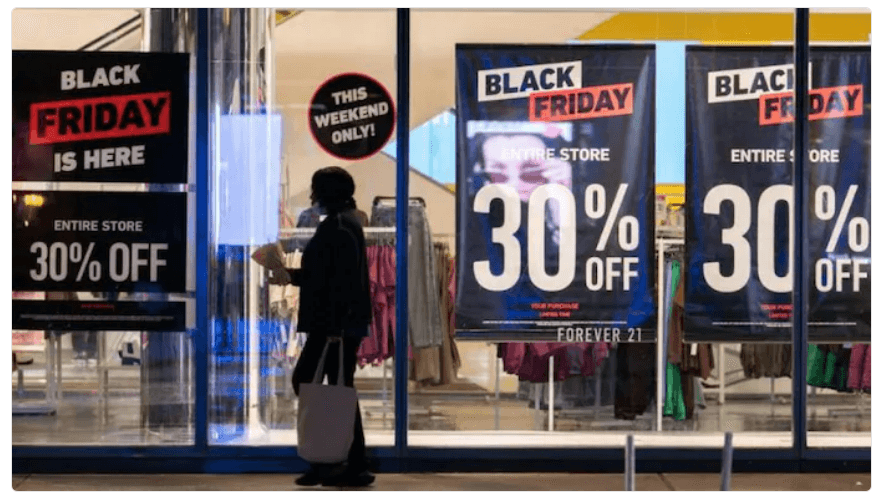
This type of selling focuses on short-term sales strategies to close deals quickly rather than building long-term relationships. Transactional selling is a component of B2C trades but it can be used in B2B sales at times as well.
The buyers usually know what they want and they want it quickly. Your role is to provide necessary product information effectively. A perfect example of transactional selling is limited-time offers or discount deals that encourage quick actions.
Experiential sales
Experiential sales are when a prospect is able to experience a product before purchasing, such as hands-on trials, product demos, free samples, test drives, or immersive in-person experiences. This strategy is based on the theory that people buy more after physically experiencing the product, particularly for products where content or images don’t show the complete picture.
Experiential sales are best suited for:
- Automobile test drives
- Luxury goods (In-store fitting, fragrance sampling, watch try-ons)
- Software and SaaS: Free trials, sandbox environments, and interactive demos
- Food and drink (tastings, free samples)
Compared to other kinds of sales, experimental sales are more expensive, but the conversion rates are correspondingly higher. The focus is on proper prospect qualification. Only spend on the experimental aspect for prospects who have a good chance of converting.
High-Pressure selling
High-pressure selling refers to putting psychological pressure on the customer to close a deal. This is a forced decision-making process which is an unethical practice.
Companies use this process to fill their portfolio and achieve better inventory control. It helps in increasing production capacity and rewards salespersons with incentives. This is a method for getting quick sales but not a sustainable one as buyers will not make a repeat purchase if you offer a bad customer experience.
Account-based sales
The accounts in account-based sales have nothing to do with finances. Instead, an account is a collection of leads that have similar requirements you can fulfill with your products or service. Businesses go for account-based sales for large accounts with many touchpoints.
Since you have to deal with many leads at the same time, individual salespersons are not involved in handling or closing these deals. Both the marketing and sales teams are in place to identify and engage the key decision-makers in these large enterprise accounts.
Various kinds of sales roles involved with sales operations
Having discussed the essence of different types of sales, it is time to discuss the various roles within sales. Sales jobs involve handling numerous things, and those listed below may serve as a good beginning in case you want to know how a sales organization works.
Business development manager
A business development manager is concerned with the expansion of the company. Their duty is to find potential leads, arrange meetings, and discover new business prospects. Another area where they work together as teams is to have a better understanding of customers, marketing trends, and product positioning.
Although the role might appear to revolve around the new leads, it has a far greater role. Business development managers tend to have an impact on the general sales. Their knowledge of how to influence campaigns or product launches affects major decisions throughout the company.
Account manager
Account managers deal with relations with existing clients. They become the frontline of contact, thus assisting in enquiries, processing continued payments, and providing assistance on products or services.
In most cases, the presence of dedicated account managers enables you to provide a more personalized experience that may be difficult to sustain with the general sales teams on a large scale.
Account managers identify the chances of expanding existing accounts. As an illustration, an account manager may begin with a client who is using a single product in a SaaS arrangement. In the long run, once trust is established, they can provide other solutions that could meet the needs of the client and result in increased business revenue.
Sales manager
The sales managers are in charge of the sales teams and meeting the targets. They are realistic in their objectives, depending on the forecasts, and develop strategies that are in accordance with the strengths of their team.
This position is all about striking a balance between the performance and the motivation of the sales team. Meeting goals is the key to business development, yet it is based on the extent to which the sales team is supported. Consequently, sales managers are under constant pressure to ensure that they balance their work between outcomes and supporting their staff.
Sales representative
Customers mostly deal with sales representatives who have a significant influence on how they view your company. They are primarily responsible to develop and sustain relationships to convert interested leads into sales. Sales operations The sales operations teams facilitate smooth working in terms of effectiveness and efficiency. Positions such as data analysts, campaign strategists, and operations specialists can be included in this group.
Through their work, the sales teams have tools, insights, and systems to operate successfully.
How do different approaches affect sales?
No matter what kind of sales methodology you are engaged in, there is one thing that does not change, which is the fact that you do not need to approach each deal individually. Most organizations have well-organized approaches to sales to direct discussion and facilitate conversions.
That being said, here are some of the commonly used sales frameworks that you can also adopt for your business:
SPIN Selling (Situation, Problem, Implication, Need-payoff)
Developed by Neil Rackham in 1988 after 12 years of research, over 35,000 sales calls. SPIN has four levels of discovery questions:
- Situation (What is the current situation)
- Problem (What is the pain or problem)
- Implication (What are the consequences if this pain or problem is not addressed?)
- Need-payoff (What is the value of solving this problem)
It is an ideal approach for lengthy sales cycles and complex B2B sales where multiple decision makers are involved.
MEDDIC (Metrics, Economic buyer, Decision criteria, Decision process, Identify pain, Champion)
It was developed by PTC in the 1990s. MEDDIC is a qualification system to make sure every deal in the pipeline has been tested under these six factors. It is considered best when deal slippage is expensive and when the enterprise software sold is highly valued.
BANT (Budget, Authority, Need, Timeline)
Developed by IBM and now available from other vendors. The most basic of all qualification criteria, where these factors were stressed: does the prospect have the budget, decision-making power, a perceived need, and a clear timeline? A bit light on the content, but sometimes considered too simplistic for today's B2B needs.
SNAP Selling (Simple, iNvaluable, Aligned, Priorities)
Jill Konrath developed the SNAP selling approach, targeted towards busy and overwhelmed buyers. It focuses on making it easy for them to say yes by offering simple reasons and how it relates to the buyer’s priorities.
NEAT Selling (Need, Economic impact, Access to authority, Timeline)
Developed with Harris Consulting, BANT for modern B2B substitutes the term 'budget' for 'economic impact' to highlight the value in solving the problem and not just the money that is available to spend.
These strategies contribute to a framework and systemic cohesion. It makes your sales teams go through various levels of the purchasing process more efficiently.
Ready to tackle every customer using the right type of sales?
As a salesperson, if you do not understand the different types of sales and when to use one, you might lower your sales performance and be unable to meet your quota. This is one of the critical factors and basics of sales.
The knowledge about the different types of sales will help you understand how to pitch yourself in the case of different sales scenarios. Upskilling for a specific sales role becomes more manageable if you understand what types of sales you are signing up for.
With evolving market trends, there is an urgent need for salespeople to stay ahead of their game and understand the processes thoroughly. And if you’re looking for a sales solution that can handle every aspect of the sales process, then you can pick Zixflow.
Get started today for free!
Frequently asked questions about different types of sales
Which type of sales pays the most?
On a per-deal basis, enterprise sales generally earn the best compensation, with larger deals (usually $100K+ in annual contract value) and longer sales cycles.
The overall compensation for the top enterprise account executives in software is consistently $300K - $700K per year. Other top-paying categories include SaaS sales (mid-market and enterprise), pharmaceutical sales, and medical device sales.
Which type of sales is easiest to start in?
Common first steps include inside sales and sales development positions. They are easier to join, have well-defined training programs, and don't need any previous closing experience. Retail sales and B2C inside sales are other good avenues to enter the market.
What's the difference between B2B and B2C sales?
B2B sales are more complex with longer sales cycles, multiple decision makers, larger deal values, and emphasis on long-term relationships.
B2C sales tend to be quicker, lower-value sales based on emotion and brand. A B2B transaction could take months, but a B2C transaction could take 5 minutes.
What's the difference between inbound and outbound sales?
Inbound sales requires your sales team to interact with prospects who have already expressed interest in your offerings (filled a form, downloaded content, requested a demo). Outbound sales involve going out of the way to approach prospects who are not interested. Most modern sales organizations use both approaches in parallel to maximize their sales efforts.
What's the difference between solution selling and consultative selling?
Both are advisory strategies, but solution selling is more about making your product look like the answer to the buyer's stated problem; consultative selling is more about looking at the whole business situation and diagnosing before making a recommendation. Consultative is more open-ended, solution is more directive.
What's the difference between cross-selling and upselling?
Cross-selling involves suggesting other products that the customer might be interested in purchasing, but is not certain that they will (e.g., a phone case with the phone).
Upselling is the process of suggesting that the customer pay for a more expensive or higher-level version of their product, which they are already purchasing (e.g., from the basic to the premium subscription). Both are based on sales psychology for increasing customer lifetime value.
Which sales methodology is best for SaaS?
Typically, most SaaS teams employ a hybrid of MEDDIC (qualification), SPIN (sales conversation), and a customer success methodology (retention). It varies based on deal size. For example, SMB SaaS is more likely to use BANT or NEAT, while enterprise SaaS will be more likely to utilize the MEDDIC approach.
Neha Sharma
Neha Sharma is a content writer at Zixflow, covering practical guides for sales professionals and founders. She creates meaningful content using industry research that helps readers take actionable next steps to enhance their operations.