AI Marketing Automation: A Complete Guide

Table of Contents
In today’s environment, AI marketing automation is enhanced to be much more than just simple email drip campaigns. It includes intelligent systems that anticipate customer behavior, arrange multi-channel journeys, and optimize performance automatically.
Whereas old automation was based on fixed rules, such as sending discount offers after 3 days, AI systems now consider real-time signals for WhatsApp, email, SMS, advertisements, and websites to send the correct message at the correct time.
Most high-growth marketing teams, around 78%, are already automating their growth through AI as their core engine of growth, and predictive flows drive 3x the revenue per customer than manual campaigns.
Look at Spotify with its AI-generated Daily Drive playlists. It is not just random; it is the result of systems that learn through millions of micro-interactions to be as engaging and maximize customer lifetime value.
With that said, this complete guide demystifies the specifics of AI marketing automation and provides a step-by-step roadmap to build systems that can drive a quantifiable ROI.
What is AI marketing automation?
Conventional marketing automation is based on static rules, such as if a customer leaves his/her cart, then the system will send a pre-programmed discount email within 24 hours. Using AI marketing automation, the stagnant triggers are now dynamically intelligent and optimized in real time.
The complexity of differences grows as a system gets larger. For example, rule-based systems reach a plateau of perfection once they are set up, but AI automation becomes smarter with each interaction, turning a one-time campaign into a self-promoting revenue generator.
AI automation is also based on machine learning to find trends that humans overlook, like the ideal time to send an email based on individual behavior and not on averages. Using AI marketing strategies and tools, marketers save hours weekly previously used to fine-tune triggers, which can be utilized in streamlining customer engagement while the AI handles the workflows.
Three layers of modern AI marketing automation
All competitive AI marketing systems are based on three intersecting layers that develop closed-loop intelligence.
- Data Layer: First and second-party data (including past purchases, page views, message opens, or WhatsApp replies) feeds a unified customer database, which AI uses to fill gaps. These are consolidated in channels through platforms such as Zixflow, which form 360-degree views that drive precise predictions, which is crucial because 65% of personalization fails because of siloed information.
- Intelligence Layer: The machine learning model scores are used to score leads (hot vs. cold), predicting churn (72-hour risk windows), and LTV (Life Time Value), which are then used to make decisions based on the next best action. In fact, predictive scoring brands achieve a 20% increase in conversion rates as AI focuses outreach in areas with the highest potential.
- Execution Layer: Autonomous orchestration delivers personalized messages via optimal channels, e.g., WhatsApp in case of urgent notifications, email in case of nurture, and SMS in case of confirmation, which can be modified in real-time in response to reactions. This layer is self-optimizing and can work without constant human interference to automate the redundant operations. For example, in case SMS proves to be a better way to recover a cart than email, AI automatically allocates budget, which will provide better ROI than manual control.
Combining these layers together builds AI systems where marketers establish strategic barriers, including brand voice or budget limits, and leave AI to manage the operations that are predicted and learnt from figuring out what turns out to be successful.
Key advantages of AI marketing automation
AI marketing automation features have advanced significantly. They provide a level of personalization and optimization that was previously only available to Fortune 500 companies but is now accessible to SMBs via easy-to-use platforms. Here are some of the biggest benefits of AI marketing automation:
Hyper-personalization at scale
Hyper-personalization revolves around using AI to create customer experiences that are unique to each person, that are derived from live signals as opposed to fixed demographics. Think dynamic subject lines, product recommendations, and the timing of when each person receives emails.
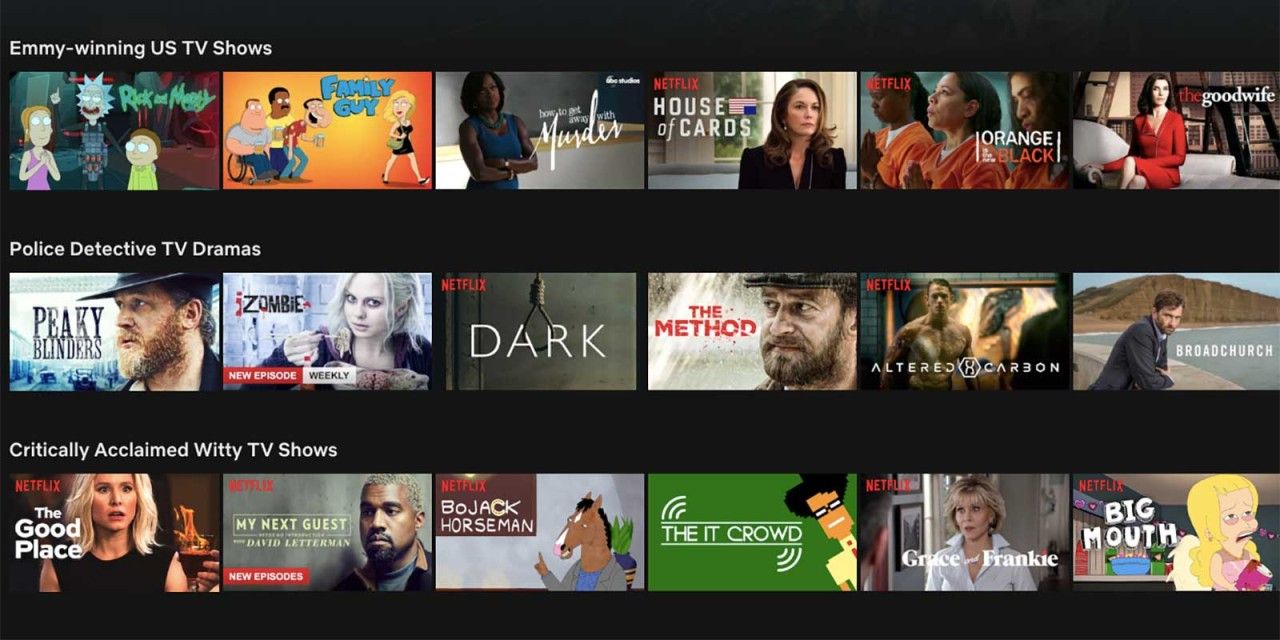
Netflix, for example, does this at a planetary level, using viewing patterns to recommend products that best match its users. Marketers reproduce it through platforms that will suggest next best offers that align with purchase history, browsing, and even weather conditions.
In the case of e-commerce, this translates to abandoned carts rescued through channel-preferred messages (WhatsApp in the case of mobile users and email in the case of desktop users), which increased conversions without any manual segmentation.
Predictive customer analysis
AI will design the best customer journeys based on predicting the most promising touchpoints, timing, and messages per step. Predicting churn hours before customers at risk activate proactive flows to retain those who would have been lost otherwise.
Additionally, LTV forecasting helps with resource allocation, like high-value groups receive VIP treatment, whereas low-potential leads receive efficient nurture to optimize CAC.
A good example of this is a fashion retailer utilizing AI to change mid-journey messaging, i.e., when a potential buyer prefers video content, they receive Reels-like product tours in WhatsApp, when they prefer reading, they receive long-form emails, to better suit their preferences.
Autonomous campaign optimization
By implementing autonomous optimization, marketers can learn to act on future creative, timing, and channel variations to identify winning strategies and allocate budgets in real-time.
AI identifies underperformers, pausing them and enhancing success. Self-learning AI systems can then form a loop, like post-campaign analysis, refine campaign models, and so efficiency increases with mature systems.
These AI capabilities eventually create “set-it-and-forget-it” systems, where marketers set objectives, and the implementation is performed by AI, improving continuously based on the outcomes, changing marketing from a labor-intensive investment to a strategically leveraged one.
Step-by-step implementation of an AI marketing automation framework
The roadmap to implementing AI marketing automation entails establishing links between minimum data collection and full autonomy for customer journeys. This is a carefully planned method to reduce the risk and to bring capabilities that can be accumulated over time.
Having said that, here are the phased steps to implement an AI marketing automation infrastructure:
Phase 1 - Data foundation
Begin by auditing all customer touchpoints throughout your owned channels, such as web pages, advertisements, email, and previous conversations to determine what behavioral data is already present.
Track high-impact events, including page views, add-to-cart, form abandons, video watches, etc., with tools such as Google Tag Manager or native pixels on the platform.
The objective is clean, integrated customer profiles that comprise zero-party (responses to the quiz, professed interests) and first-party data (buy, clicks, time on).
This is where a vast majority of failures occur. Isolated information across platforms reduces the accuracy of AI. Therefore, focus on integrating signals into a single view of a CDP as soon as possible. 360-degree profiles of your best customer segments should be your top priority before setting up any AI marketing platforms.
Quick win: Monitor a single funnel-end-to-end (i.e., landing page → checkout) and ensure that data flows are working correctly before moving on to the next one.
Phase 2 - Predictive intelligence
As solid data streams in, train your initial AI models on actual trends. Look at churn risk, lead quality, and purchase potential. Begin with basic implementations like Zixflow’s AI capabilities for behavioral scoring that do not require a custom ML to work.
The next step is using logic to identify the trends within the data. For example, in case the lead has looked at pricing information but didn’t complete the purchase, you can send a personalized offer message on WhatsApp to get them to come back and finish the checkout. In addition to that, if a lead has looked at support documentation, send a support message proactively to ensure they found the answer to their query.
Quick win: Let AI choose the send times and channels for 20-50 customers (or X customers based on your audience size), monitor the engagement rates before applying the AI to your entire customer segment.
Phase 3 - Automatic execution
Set up intelligent workflows that span across the 3-5 workflows, such as welcome series, cart recovery, win-back, cross-sell, and VIP nurture. Make it possible to optimize in real-time to have AI experiment test message variations and redirect budget to top-performing channels.
Furthermore, establish strategic guardrails, like brand voice, spending, compliance, etc., and grant AI the freedom to operate within boundaries.
Keep track of AI operations weekly, and store document learnings in playbooks to bring quicker rollout of subsequent flows.
Quick win: Introduce multi-channel cart recovery (email + WhatsApp + SMS) and watch the improvement in recovery rates as the AI learns the most effective sequences.
This AI marketing automation model is successful as it is developed step by step and requires sound knowledge. Teams do not get overwhelmed because they work on one phase at a time and get compounding returns on initial wins.
How Zixflow powers AI-driven marketing automation?
Zixflow provides marketing automation via AI on its multi-channel platform, allowing WhatsApp, SMS, RCS, email, and push notifications with smart segmentation.
In contrast to single-channel marketing tools, Zixflow’s AI capabilities take into account all the touchpoints and forecast the best message and channel to apply the workflows with little effort. Below are some of the features of Zixflow as a top-notch AI marketing automation solution:
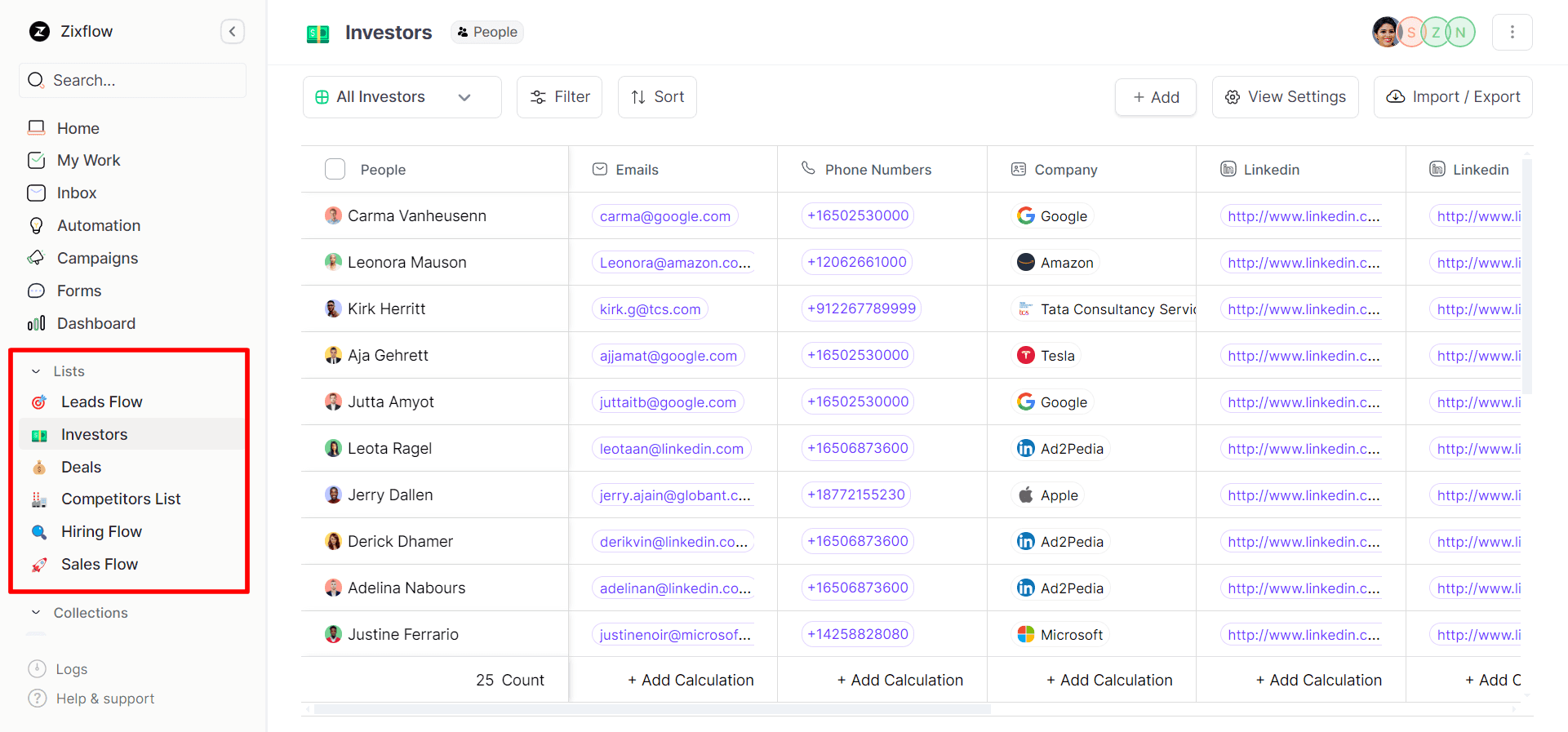
AI lead scoring
The artificial intelligence of Zixflow segments leads to tailored lists based on behavioral trends like communication history or channel preferences. This way, businesses can flag hot prospects to approach immediately and manage potential contacts efficiently. The platform will also improve the accuracy of sales teams as the system learns your conversion data.
Smart multichannel campaigns
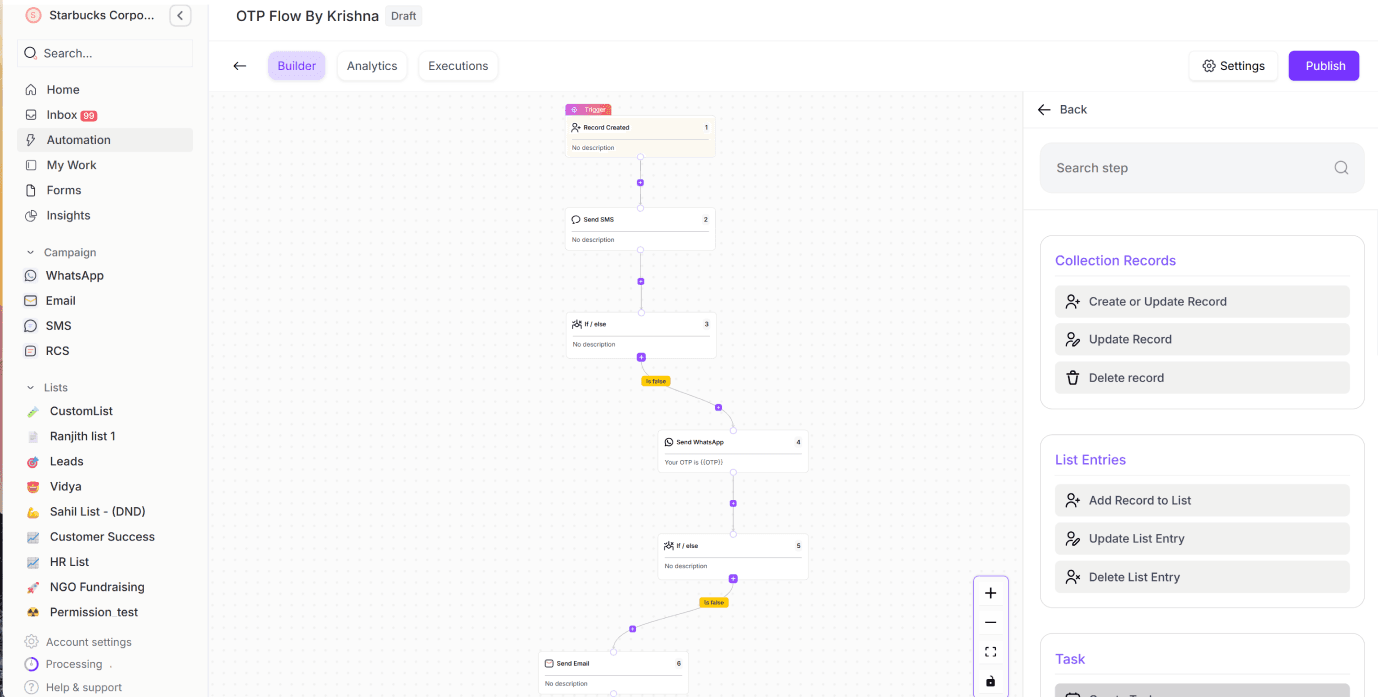
AI powers up the channels with increased deliverability by intelligently switching to the next best channel to ensure the message gets delivered to the customer most of the time. For example, a new user requesting an OTP to log in can receive it via SMS, and if that fails, the system sends the same on WhatsApp. In case that fails too, then an email containing the password will be sent to the customer.
Predictive data enrichment
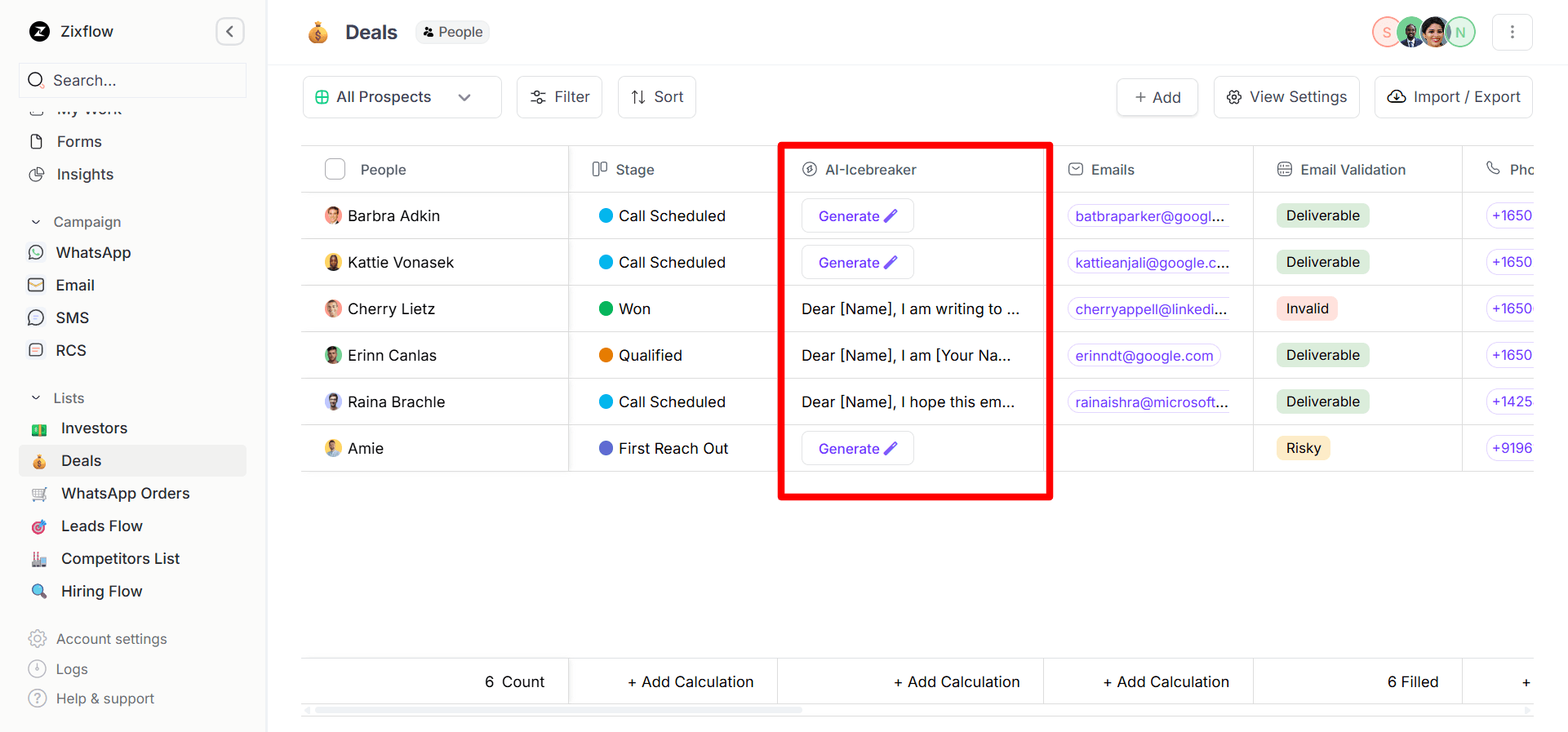
The Zixflow AI completes the missing contact information (emails and custom fields) and infers the interests using partial clues to complete the whole profile based on the partial interactions. This drives hyper-personalized streams with each customer feeling comprehended, despite the gaps in the data.
Elevate outreach with an AI marketing automation infrastructure
In 2026, AI marketing automation does not mean that we are going to be replacing the marketers. It is about making the best of what your team does and taking it to the next level.
The repetitive implementation is now being done by intelligent systems as human marketers invest in strategy, creativity, and customer relationships that generate real revenue growth.
As exclaimed by industry leaders, marketers who increase their customer engagement today start by leveraging AI into a single workflow, cart recovery, welcome series, or churn prevention. Choose your most impactful workflow and leave AI to automate your operations to see the revenue grow.
Ready to transform your customer journeys?
Start with Zixflow’s 7-day free trial or talk with our experts to help you handle specific use cases to streamline your business’s marketing needs.
Frequently asked questions about AI marketing automation
Below are some of the commonly asked questions regarding AI marketing automation:
What is the difference between AI marketing automation and traditional automation?
AI marketing automation is based on machine learning to forecast customer behavior, identify the timing/channel/content to use in real-time, and is constantly being improved. In comparison, traditional automation follows fixed, inert rules that you, as a human, must manually set.
How does Zixflow enable AI marketing automation?
Zixflow combines WhatsApp, SMS, RCS, email, and push notifications with AI-powered functionalities. It allows businesses to score leads, analyze customer behavior, and leverage predictive data enrichment to personalize marketing initiatives.
It supports integrations with numerous external solutions to streamline the flow of data and build a centralized hub of customer databases, which can be used by both AI and your team members.
What metrics show that AI marketing automation is working?
Measures of revenue per automated customer vs manual, campaign deployment speed, and LTV growth. In addition to vanity metrics, consider the real profit made. Mature systems lead to a greater increase in total revenue on automated flows.
Can small teams implement AI marketing automation?
Yes. Platforms such as Zixflow have pay-as-you-go pricing and come with no-code AI workflows, so enterprise features are available to developers without huge budgets or intricate setups. By linking your current marketing tools with Zixflow, you can roll out marketing campaigns within days and begin scaling revenue the same way as enterprises.
Sahil Tyagi
I'm a passionate content writer and SEO enthusiast who enjoys turning ideas into helpful articles. When I'm not busy with content, you'll find me enjoying sports or reading about growth strategies.