How To Grow Your E-commerce Store With WhatsApp? [10 Best Hacks]
![How To Grow Your E-commerce Store With WhatsApp? [10 Best Hacks]](https://webimages.zixflow.com/Featured_Image_SS_BP_0606_How_To_Grow_Your_E_commerce_Store_With_Whats_App_d3eba29938.jpg)
Table of Contents
In 2026, WhatsApp becomes the most effective direct channel of e-commerce with open rates in the range of high 90% and solid response rates of 45-60%. Plus, having more than 3 billion active monthly users and comparable native functions such as product catalogs, in-chat payments, quick reply buttons, and WhatsApp Flows, the platform transforms casual browsers into repeat customers more quickly than any other marketing channel.
Brands that use WhatsApp strategically report a revenue growth without increasing ad spending, a higher average order value due to cross-sells, and a significant improvement in customer lifetime value due to personal re-engagement.
Regardless of your shop being Shopify, WooCommerce, or your own platform, the hacks mentioned in this blog will work for any online store.
What is a WhatsApp e-commerce store?
A WhatsApp e-commerce store is a sales model in which a business establishes a direct platform to display products and communicate with customers, and finalize purchases, all done through a chat-based platform. Rather than sending the users to a traditional online store to complete all these steps, the brands can manage product discovery, inquiries, recommendations, order follow-ups, and even payments on WhatsApp.
This model is essentially a blend of conversational commerce and e-commerce functionality. The WhatsApp Business Platform is usually utilized by businesses to build product catalogs, share product cards, send automated messages, and manage customer conversations at scale. By just chatting with the brand, customers can shop, ask questions, get their own recommendations, and make purchases, which makes the shopping experience quicker and easier.
The difference between a WhatsApp e-commerce store and any other is the emphasis on two-way and real-time communication. WhatsApp enables brands to interact with customers in real-time and with personalized messages, order notifications, shipping status, and after-sales services, unlike websites or email campaigns. This will ease the purchase process, create trust, and boost the conversion rates- particularly among mobile-first buyers.
In the case of increasing e-commerce brands, WhatsApp is not only a support channel. It also serves as a virtual storefront where marketing, sales, and customer interactions occur under a single roof, aiding businesses in building smooth, high-conversion shopping experiences.
Advantages of WhatsApp compared to other e-commerce channels
Better engagement metrics
WhatsApp messages are seen as personal notifications, which do not fall into the inbox clutter and algorithms. Email campaigns are always fighting spam filters and poor visibility, while WhatsApp provides immediate access, so people interact within minutes.
Media-rich messaging
Including WhatsApp product carousels, 30-second demo videos, high-res pictures, and location pins within a single message can significantly enhance customer experience. The customer does not have to go through numerous links to check out your offerings directly.
Conversational commerce
Trust is easily established in natural back and forth dialogue as compared to a one-way marketing broadcast. Conversations such as "Which size fits you the best?" and “Here’s our size guide + 10% off” are much better at forming real connections.
Friction further can be reduced during the stages of the sales funnel by having quick reply buttons like “Track Order” or “Contact Support" to streamline customer engagement.
Payment integration
Purchases can be finalized within the WhatsApp chats. No more app switching or payment page drop-off, UPI, cards, net banking, and wallets interrupt the checkout process. This smooth transition takes into account impulse purchases, which would otherwise be lost.
Cross-platform reach
Another great thing about WhatsApp is that it works the same way for iOS and Android, with availability in 180+ countries, so there are no downloads or compatibility headaches. Ease of availability eliminates the technicality of customer purchase.
WhatsApp is a combination of immediacy, interactivity, and native commerce elements built into the most converting direct channel of e-commerce. Smart brands consider it a two-way revenue infrastructure and not another notification tool.
10 best WhatsApp growth hacks for boosting your e-commerce store
The relevance of WhatsApp in e-commerce is growing, and it can be difficult to be more specific than to understand how the platform should be used. That being said, here are some of the best WhatsApp growth hacks to enhance your e-commerce brand:
Click-to-WhatsApp ads
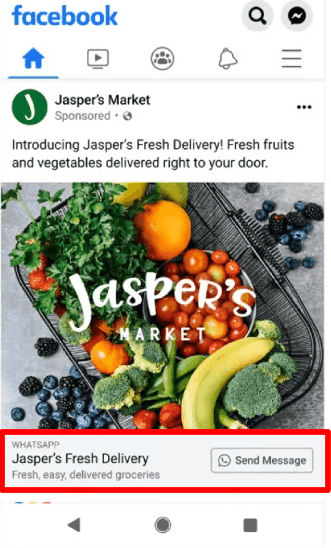
Facebook and Instagram advertisements leading to the opening of direct WhatsApp chats convert 3 times more than the landing pages. Customers do not have to go through the checkout hassle; they ask questions in real time. and make purchases during the same interaction.
In order to put this into practice, businesses begin by featuring advertisements on a small number of their best-selling or most profitable products rather than all of the products.
Creating a welcome WhatsApp message that includes one qualifying question, i.e., the type of product or application, and directs the conversation to a human agent or a recommendation channel. This makes the discussion on point and drives the users to make a purchase more quickly.
Convert website visitors via chat widgets
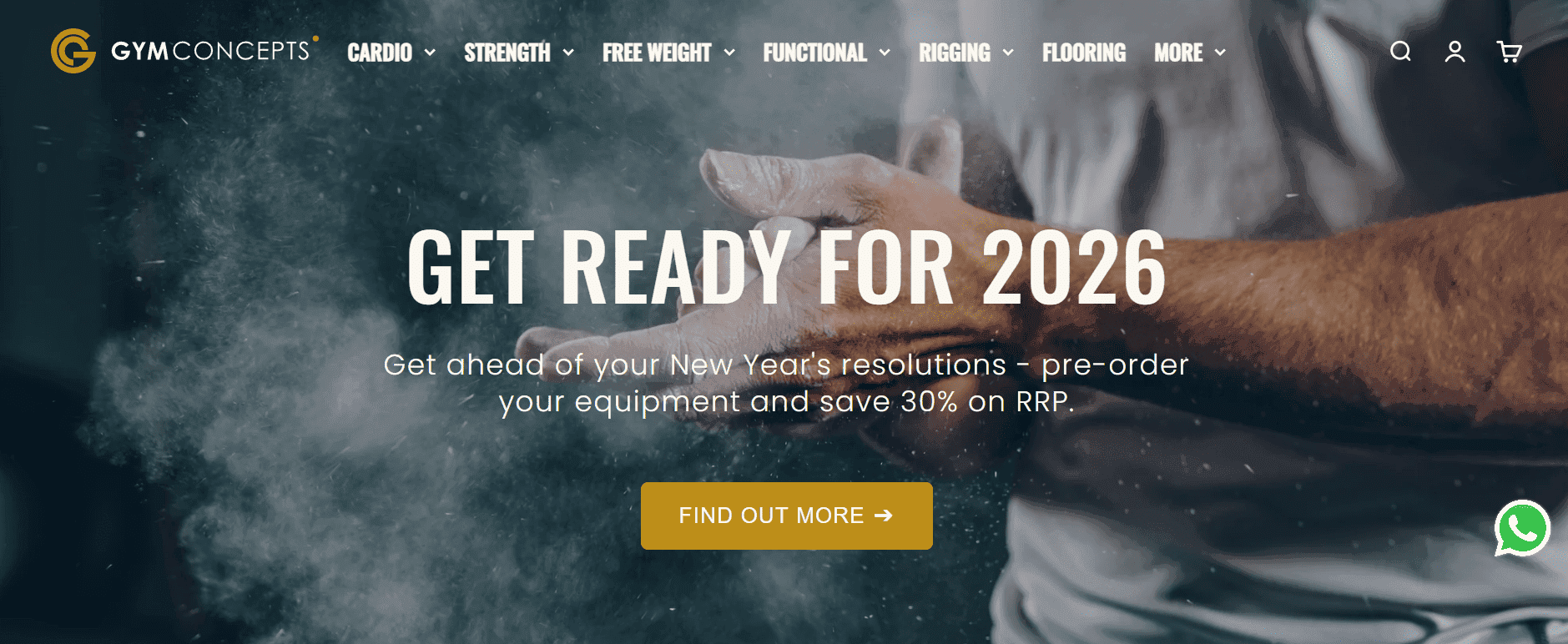
A WhatsApp chat button is a live support feature that serves the needs of shoppers who are not confident about making a purchase. Numerous carts are left abandoned because of mere suspicions that can be cleared in seconds.
To put it in practice successfully, the widget should be placed on highly intent pages like product detail pages, price pages, and checkout screens. Set an auto-trigger message that should occur after a couple of seconds, providing assistance regarding the delivery, returns, or sizing. This proactive suggestion frequently drives action from interested prospects.
Leverage WhatsApp product catalogs
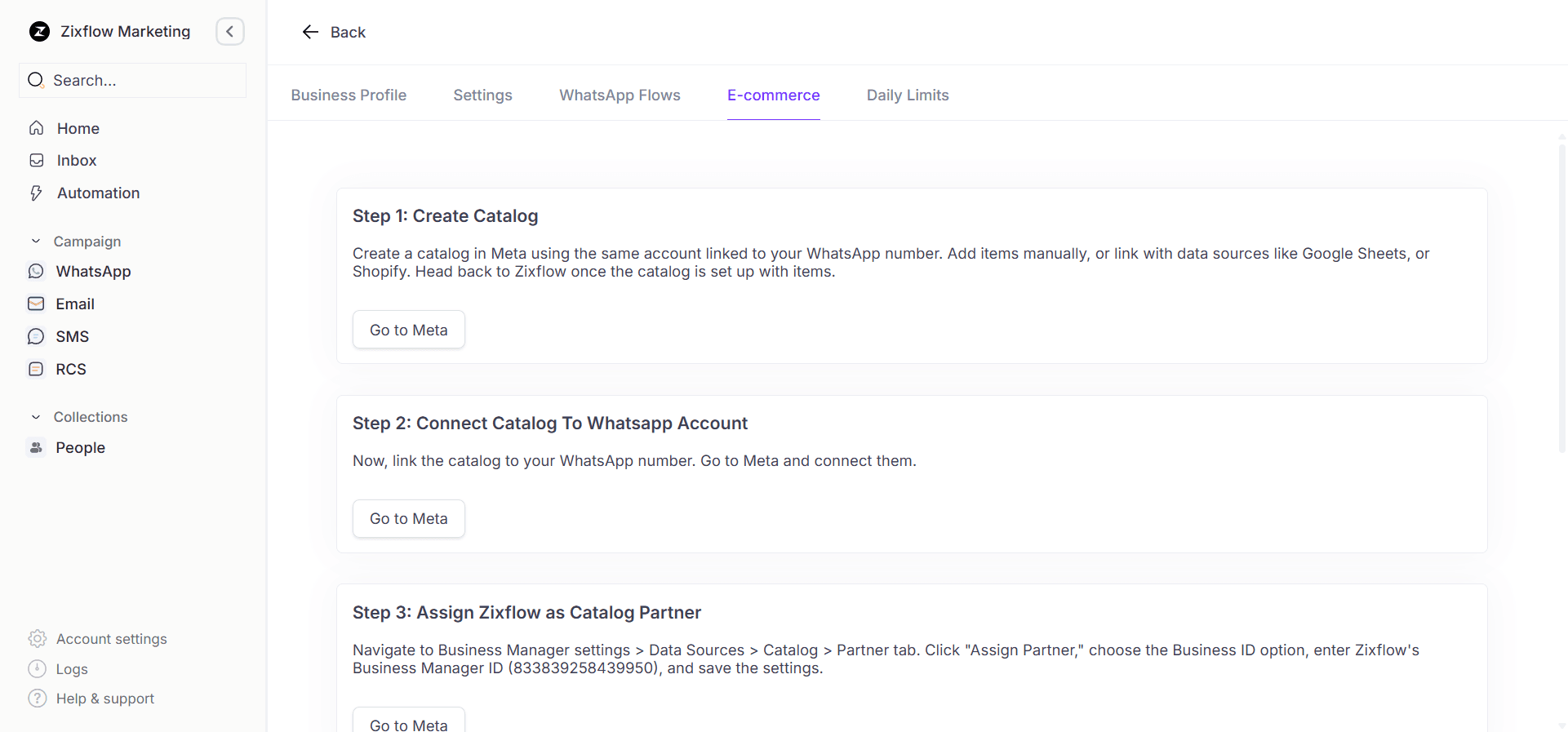
The WhatsApp product catalogs enable the customer to browse without exiting the conversation, and this minimizes friction and accelerates the decision-making process.
You can add all your inventory to the site at once, but instead sort your catalog by collections, like "Best Sellers," "New Arrivals," or "Limited Stock." Each time a customer starts a chat, send a catalog link that reflects their purpose.
As an example, when a user requests information on discounts, redirect them to a collection called Offers to ensure that the experience is relevant and conversion-oriented.
Automated welcome messages
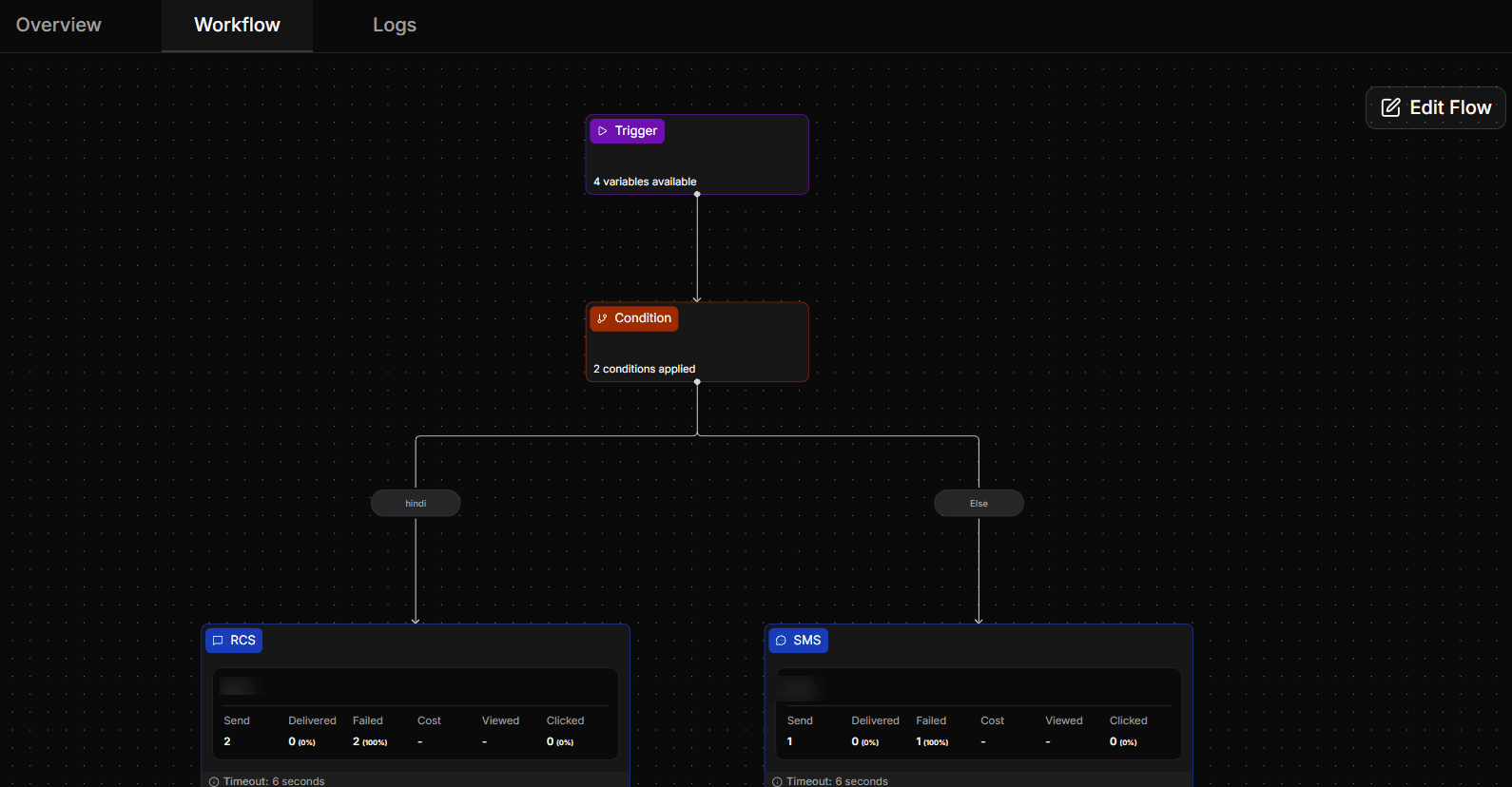
The initial message will determine the tone of the whole communication, and with automation, businesses can make sure that no lead ends up lost. The flow of welcomes can immediately lead the users to the appropriate products.
In practice, using WhatsApp automation tools can allow brands to set up automatic greetings that will give the user the correct options, including navigation through categories, order follow-up, or contacting support. Recommendation or fast responses based on the choice. This decreases the time to respond and removes uniformity in all discussions.
Recovering abandoned carts with WhatsApp nudges
Carts that are left behind depict high-intent users who require a push. WhatsApp is particularly effective in this case since messages are perceived promptly and made personal.
To implement this hack, connect your e-commerce system to WhatsApp to monitor and recover cart abandonment within a specified time interval. Send a reminder message with the image of the product, price, and a direct checkout button. In case of no reply, call back once using a value-based incentive like free shipping instead of a continued offer.
Utilizing WhatsApp Broadcasts
WhatsApp Broadcasts enable you to communicate with opted-in users in bulk without the need to form group chats. Relevance is, however, important to prevent fatigue.
Practically, you can divide your audience according to their purchase history or their level of engagement and then broadcast. As an example, you can send early-access sale notifications to repeat buyers or high-value buyers only. The message should be to the point, there should be some call to action, and there should always be a direct link to the product or line of products currently being advertised.
Enable order and shipping notifications
A post-purchase campaign hooking customers by means of transactional messages can lead to long-term engagement. Shipment notification and confirmation of orders create a sense of trust and lessen the amount of support calls.
Automating order confirmation, dispatch, and WhatsApp notifications are some of the best ways to keep in touch with customers after they have made a purchase. Incorporating nuanced cross-sell or engagement messages, like suggesting a complementary product upon delivery or inquiring about assistance. This transforms the forced updates into growth prospects.
Drive repeat purchases with well-placed drip campaigns
It is more lucrative to have repeat customers than constantly acquire new leads and nurture them through the sales funnel. And WhatsApp drip campaigns can keep you relevant without being intrusive.
The feasible solution is to develop after-sales processes by product or buying cycle. As an example, usage tips should be sent after a delivery of a product, and upgrade notifications or restock notifications should be sent after a predetermined period of days. This makes your brand unforgettable and also brings true value to your customers.
Collecting customer feedback
On WhatsApp, it is simpler to gather customer feedback since the communication is more natural. Rather than making the process complicated by sending long surveys, make it simple.
A couple of days after purchase, send a brief message requesting a rating or brief feedback, and a review link should be sent if the feedback is positive. This will boost the volume of reviews and allow you to deliver a top-notch customer experience.
Segment customers for better engagement
The ability to manage the frequency of messages to customers is critical when scaling e-commerce using WhatsApp as a primary communication channel. Even very relevant messages would be intrusive when sent too often.
So, it is important to implement a clear messaging frequency of promotional campaigns and follow it. Act on behavioral cues like product visits, shopping carts, or last purchases to warrant reaching by sending a personalized message to a segment of the audience. This means that each message will have a purpose and will reach the customer at the time the customer is most receptive.
Best practices to scale your e-commerce business with WhatsApp effectively
The first thing you need to know before going large with WhatsApp is that growth in the platform is based on relevance and not volume. The next best practices will be strategic usage of WhatsApp to expand conversations and customer trust without compromising the whole experience:
Balance promotional & value-driven content
WhatsApp ought not to provide discounts and offers only, but actual value. The over-promotion may lead to a decrease in engagement and opt-out in the long term.
One of the most effective methods of balancing this is to strike a balance between promotional messages with useful information like updates about orders, tips on how to use the product, restockings, or even personalized recommendations. Promotional messages are less obtrusive and more appropriate when customers are provided with useful information on a regular basis.
Follow compliance guidelines strictly
A scalable WhatsApp strategy is based on permission-based communication. Unsolicited messages will harm trust and negatively affect deliverability.
To do this properly, it is necessary to obtain express permission with the help of checkout forms, web forms, and Click-to-WhatsApp ads, specifying the nature of messages that users will receive.
Additionally, always have a simple opt-out option in conversations to make customers feel that they are in charge of their communication preferences.
Using automation without losing the human touch
Managing the large volume of conversations can be done with the help of automation, yet using it fully will make the interactions seem detached.
Achieving the right balance requires the automation of predictable touchpoints, which should include a welcome message, frequently asked questions, and confirmation of an order, but easy handoff to a human agent should be available in case of a product suggestion or a support request. This will enhance efficiency without affecting the customer experience.
Monitor performance to optimize continuously
To achieve success in scaling WhatsApp, continuous optimization according to the behavior of real users will be required. The open rates, response times, conversion rates, and opt-out trends are some of the metrics that help to understand what works and what requires some modification.
Establish a schedule of regular performance reviews and adjust your messaging rate, segmentation, or content strategy to it. The process of ongoing optimization will make the growth on WhatsApp sustainable as your e-commerce store grows.
Take your e-commerce store to the next level with WhatsApp
WhatsApp is no longer just a plain messaging application, but rather a strong growth tool for e-commerce brands. When implemented in conjunction with the proper strategy, it allows completing conversations faster, easier purchasing paths, and customer relationships, which directly influence revenue.
The actual benefit lies in how WhatsApp is approached, not as a one-time campaign delivery vehicle, but as a constituent component of your customer experience, serving shoppers all the way through the customer experience to repeat purchase.
Begin small, experiment with what works with your audience, and then gradually expand your WhatsApp marketing strategy to become a high-performing channel that can be employed to generate business at scale in the long term.
With the scaling of your e-commerce store, it becomes harder to control conversations and automation manually. It is in this that the availability of the appropriate infrastructure plays a role.
Business applications such as Zixflow assist e-commerce brands in operating WhatsApp on a large scale by uniting automation, customer segmentation, campaign management, and performance tracking. Brands no longer have to use a variety of tools to perform various tasks; they can create organized WhatsApp journeys that they can make personal and yet manageable.
Try out Zixflow for free today with a 7-day trial, or talk to us if you need assistance identifying ways to utilize Zixflow for your WhatsApp marketing initiatives.
Sahil Tyagi
I'm a passionate content writer and SEO enthusiast who enjoys turning ideas into helpful articles. When I'm not busy with content, you'll find me enjoying sports or reading about growth strategies.