10 Best Customer Engagement Strategies That Works [With Examples]
![10 Best Customer Engagement Strategies That Works [With Examples]](https://webimages.zixflow.com/Featured_Image_SS_BP_0585_Best_Customer_Engagement_Strategies_That_Works_With_Examples_f12f547de7.jpg)
Table of Contents
Getting customers involved has become very important for businesses in today's crowded market. Every time a customer interacts with your business, they provide you with a great chance to get their attention and build their loyalty.
But creating a loyal group of customers takes time. There is extensive research that shows how many times a customer needs to interact with your brand before making a purchase. It’s clear that engaging with them is crucial for guiding them through the buying process.
For example, a few good ways to connect with customers, like sending them personalized messages and offering quick help, can change simple conversations into strong relationships. But not all methods will fit your business needs perfectly. The essential thing is to find and use the right combination of methods that gives the best results for you.
In this blog, we will explore various customer engagement strategies and their benefits to your business and offer practical tips on implementing and measuring their effectiveness.
That’s why, in this blog, I’ll explain to you different ways to engage with customers and how these can help your business. I’ll also tell you how real-life brands use these strategies to drive conversions for continuous business success. So, let’s delve into it!
What is a customer engagement strategy?
A customer engagement strategy is a plan for creating and maintaining good relationships with customers. The process uses different ways to communicate to enhance customer experience and keep them happy, to increase the customer lifetime value.
A PwC survey found that over 70% of customers believe their experience is very important when choosing to buy a product from a brand. So, getting customers involved in your outreach is now an important strategy.
A good strategy can be tracked and can adapt based on customers’ needs. It helps you gather insights and important information about customer interests so you can adjust your plan as needed. With that said, to create good customer connections, you need to study how customers act and tailor your experience to fit individual needs.
What benefits does a customer engagement strategy offer?
A recent survey found that more than 60% of business leaders think customer loyalty has gone up since the Covid19 pandemic, but only 20% of customers agree. This clear difference shows that brands are still lacking in terms of customer engagement.
Focusing on customers helps your company stand out in a market with many product choices. By using information to create different ways to connect with customers, you can enjoy the following advantages:
Make the experience better for customers
When customers are happy, they are more likely to buy something, but it takes time. Oftentimes, customers need to see your brand a few times prior to deciding to buy something. However, just one bad experience can turn customers away. So, maintaining continuous positive customer engagement helps you secure customers for a long time.
Improve customer relationships
Nobody likes a forceful or fake sales talk. When customers’ issues are not being heard, those who do buy from you probably won't buy again very soon. They don't feel connected to your brand, so they see you as just one of several options, not their top choice.
When customers have a good or bad experience, they like to tell everyone about it. This could be through a product review or by talking to their friends. When you go beyond what a customer expects, they want other people to enjoy the same experience too, without anyone asking them to.
Improve referral marketing
When customers have a good or bad experience, they like to tell everyone about it. This could be through a product review or by talking to their friends. When you go beyond what a customer expects, they want other people to enjoy the same experience too without anyone asking them to.
Also, a person who likes your brand is more likely to keep buying from you for a long time, further improving your revenue and helping you scale your business.
Boost your brand’s worth
In order to make your business important to customers, you need to understand what they require. A good plan for talking to customers creates a strong experience that connects with them on a deeper level.
Your customer engagement strategy should focus on providing value, not just making conversions. You have to demonstrate that you are not just about selling products or services, but also assisting customers in solving their problems and being a valuable advisor for them.
In the past, brands emphasized making sales, but today, customer interaction is about offering real value to customers so they want to buy your offerings. It empowers the consumer and gives them a role to choose what they want for themselves.
Lowers the churn rates
When you connect with customers with a solid engagement plan, it can really lower the number of customers who leave. By taking care of problems quickly, offering great help, and creating a friendly community, you can keep customers for a longer time.
Want to Improve Your Customer Engagement Strategy?
Engage customers with consistent messages that keep them active and help your brand stay top of mind.
Engage with ZixflowBest customer engagement strategies to boost your business
While working on your customer engagement strategies, you might get stuck due to a lack of information. Or you might not think of a brilliant idea that can help you better resonate with your audience. When that happens, you need to find inspiration from other brands that have aced their customer engagement so you can replicate, or even enhance, their success.
Below are some customer engagement strategies that work, along with an example to direct you on the right path for designing your engagement plan:
Personalize your offerings
In today's world, where data is important, it's critical to know your customers well. Look beyond just generic information about people and use customer interaction data to understand them better.
Some of the ways to do that involve:
- Tracking how people use your website to see what they do
- Analyzing feelings about your brand to understand how customers feel
- Using surveys to find out what can be improved
Once you have these details, you can learn what your customers need and adjust what they see on your website or how you talk to them during the stages of the sales pipeline.
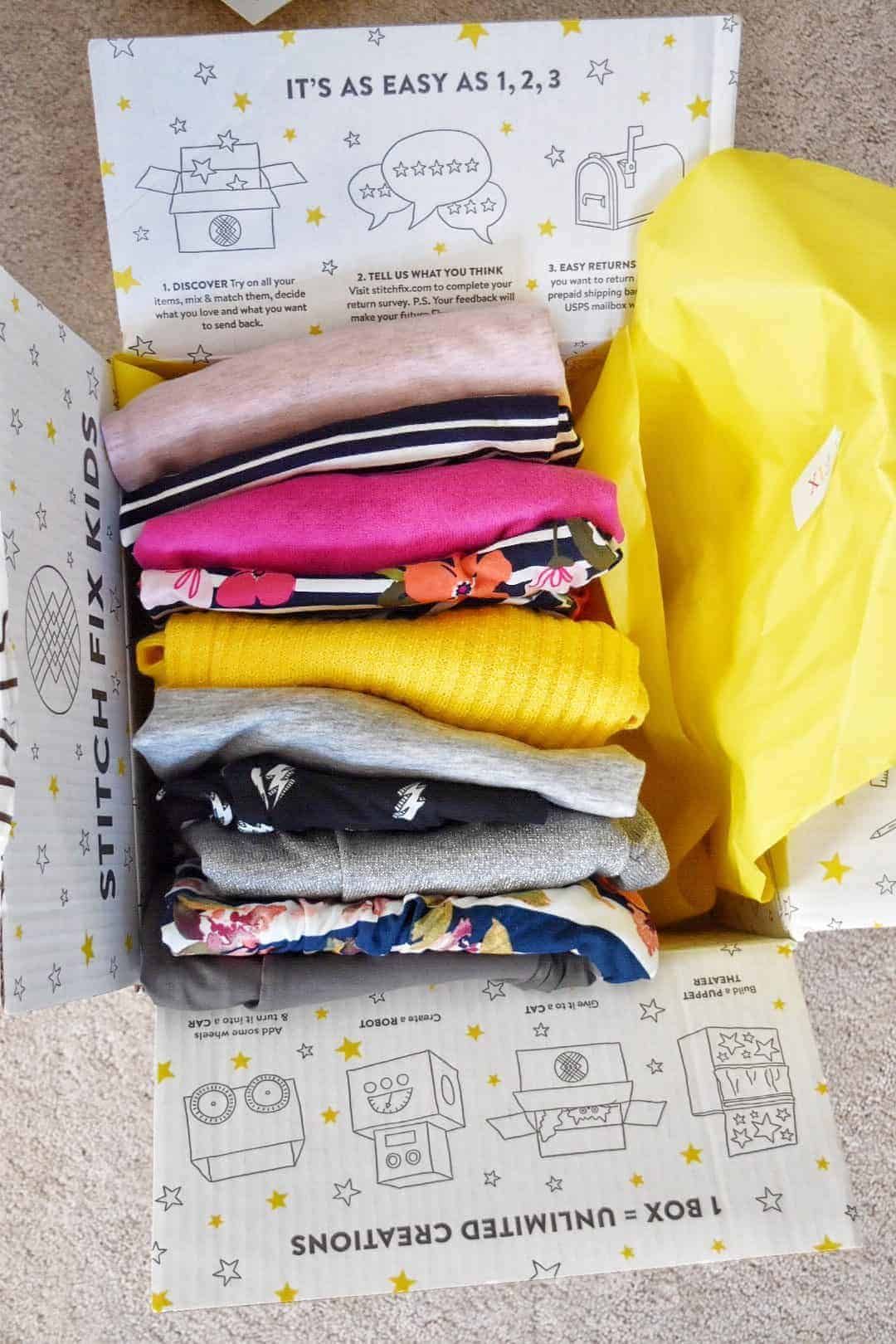
Stitch Fix, for example, is an online service that helps people find clothes. Although not a household name compared to major retailers, they use information from style quizzes and customer feedback to put together special clothing boxes just for you. Their system mixes expert advice with personal tastes to tailor each delivery.
Provide tailored onboarding for new customers
Customer information collected during sign-up can help create a customized welcome experience and get people interested from the beginning.
For example, you can use a welcome survey to ask users about their job, their role at work, or why they want to use your product. Using that information, create a training plan that focuses on their specific tasks and duties.
This could mean showing things that a CMO would like and skipping things that an engineer doesn't need.
Superhuman is a special email app that asks all new users to have a personal call with a team member. During the call, the team member learns how the user works, helps set up personalized shortcuts, and adjusts the layout to fit their needs.
Test different versions of your content
One good way to improve how customers interact with your app is by trying out different app features to see which one they like better.
This means making two different versions of things in the app (like announcements or tutorials) and then testing them with users to find out which one they like more.
For example, if you want to improve how people use features when they first start using your product. In version A, you can access a set of video lessons. Version B has easy-to-follow guides.
With A/B testing tools that work in apps, you can look at how users interact with different versions. You can see things like how long users spend on each version, how many finish the tasks, and how often features are used. This will help you find out which version is better.
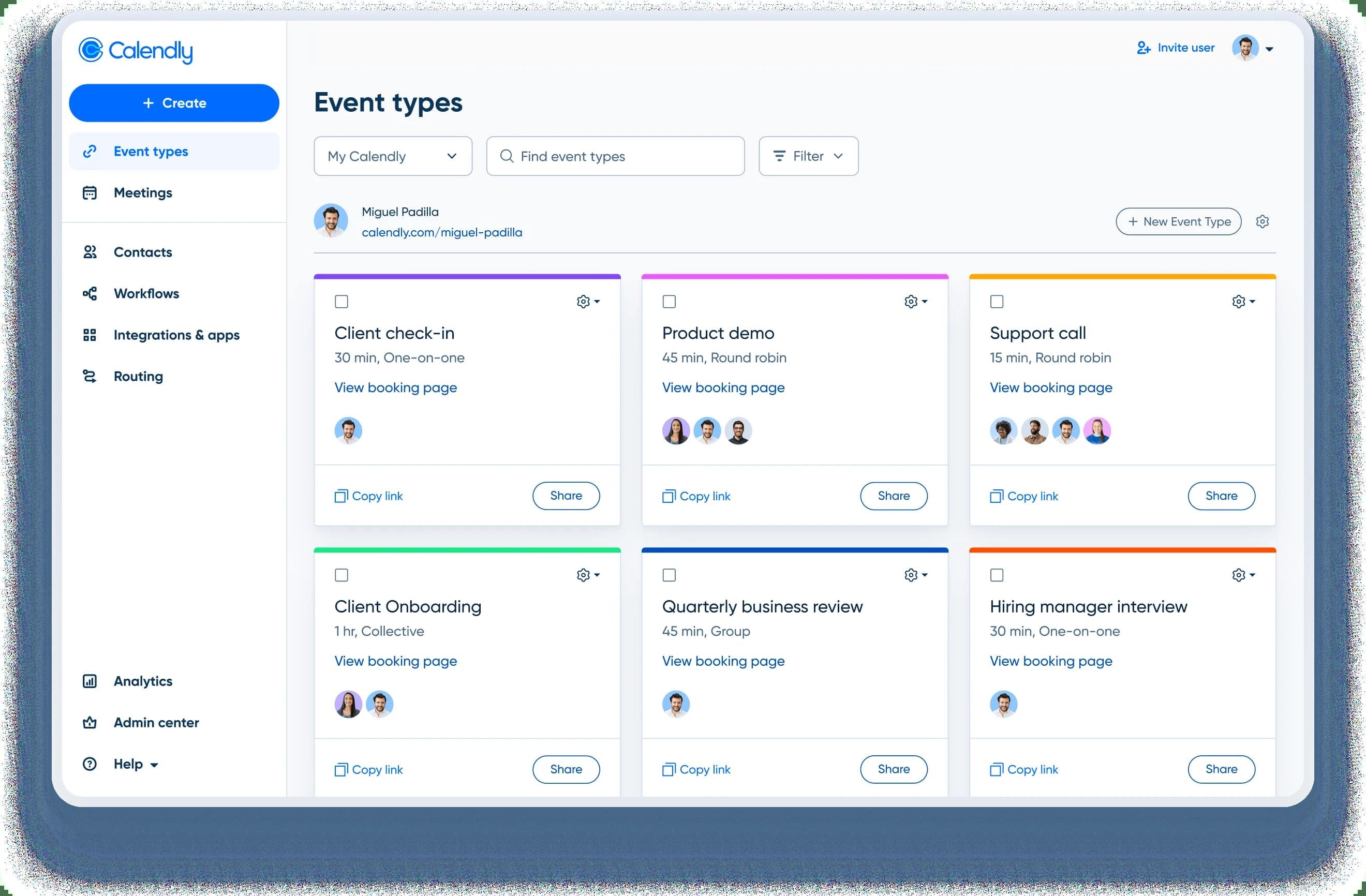
Calendly is a tool for scheduling meetings. They regularly test different ways of booking appointments, confirming meetings, and sending reminders to help users get more people to show up for their meetings and lower the number of people who don’t come.
Sell more using cross-selling & upselling
Upselling means suggesting to a customer a better or fancier version of a product they are looking at or considering buying. By knowing how customers think and finding the best ways to suggest extra purchases, brands can use this strategy effectively to raise the average amount each customer spends and earn more money overall.
It's important to suggest additional items gently. Maybelline does this by showing why their products are good and suggesting fancier versions of them.
Grammarly is a tool that helps with writing. They show free users suggestions for premium features when they notice that the user needs more advanced help, like changing the tone of writing or checking for plagiarism. This way, they show users the benefits of upgrading at the right time
Get in touch via social media platforms
Social media platforms like X (formerly Twitter), Facebook, Instagram, and LinkedIn are now important places where customers can share their thoughts openly. These platforms are a good way to strengthen customer connections.
Picture a store starting a fun contest called the "Outdoor Gear Adventure Challenge" on social media. Followers post pictures or videos of their outdoor activities using the company's products.
The task: take exciting pictures of activities like climbing or kayaking to show how strong and useful the gear is. The company picks the best content created by users, shares it on its social media, and chooses winners based on creativity, good stories, community involvement, and loyalty to the brand through real-life adventure tales.
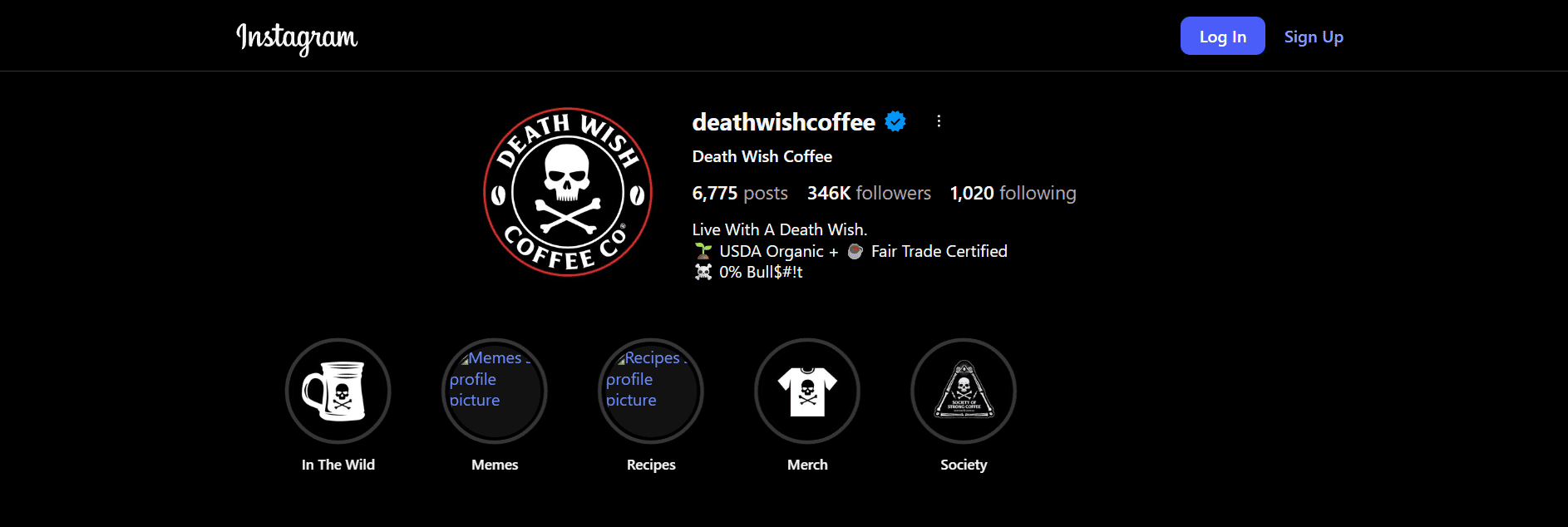
Death Wish Coffee is a coffee brand known for its strong caffeine. This little coffee company gained many loyal fans by connecting with customers on Instagram and Facebook. They share photos from their fans, reply to comments, and build a community for people who love very strong coffee.
Ready to Put Engagement Strategies Into Action?
Automate customer journeys that deliver the right message at the right time across every channel.
Chat with UsProvide useful information for current customers
Teaching customers about your product is an ongoing job. When done right, it will keep users interested in your app because they will achieve success with it.
This can mean providing current users with helpful information through things like webinars, pop-up messages, or tutorials, and sending these at the right times. This means you can give users the information they need right when they need it, instead of making them figure it out on their own.
For example, you can use tooltips in the app to explain features for certain situations. If sending invoices is something your users need to do, you can show helpful tips when they first go to the "invoice" section. These tips can explain how to create clients, add your brand logo, and more.
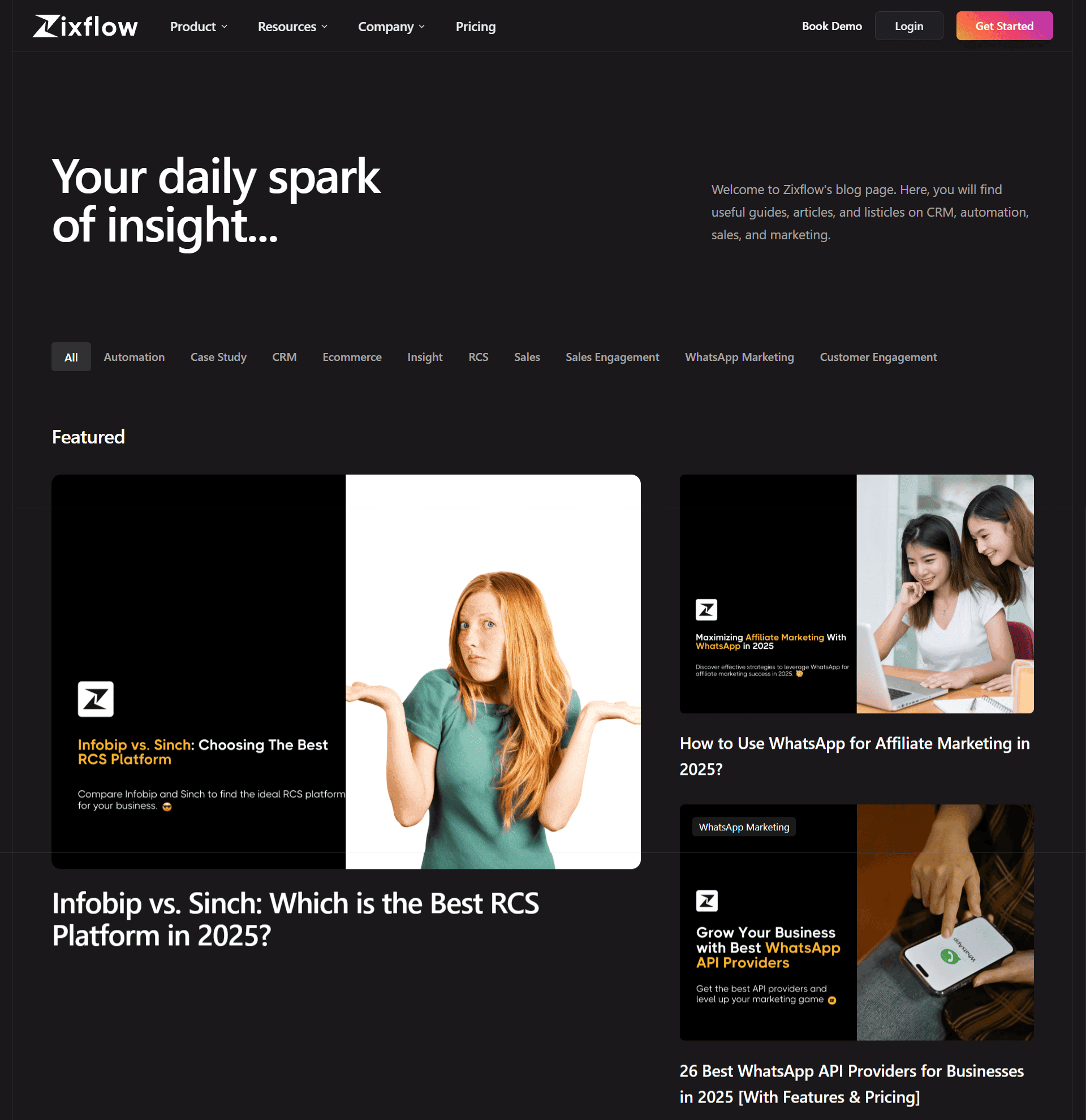
Zixflow is a business suite tool that offers a lot of guides and tutorials on its blog page about various kinds of messaging strategies and lists of helpful solutions to help current customers work better and get more out of the platform.
Run giveaways initiatives
Reward programs are great ways to encourage customers to stay loyal. Instead of just giving discounts, think about providing valuable rewards that can help your customers' businesses.
For example, offer special online classes or free tickets to industry events. These rewards show what you’re good at, keep your customers interested, and improve how they feel about your brand.
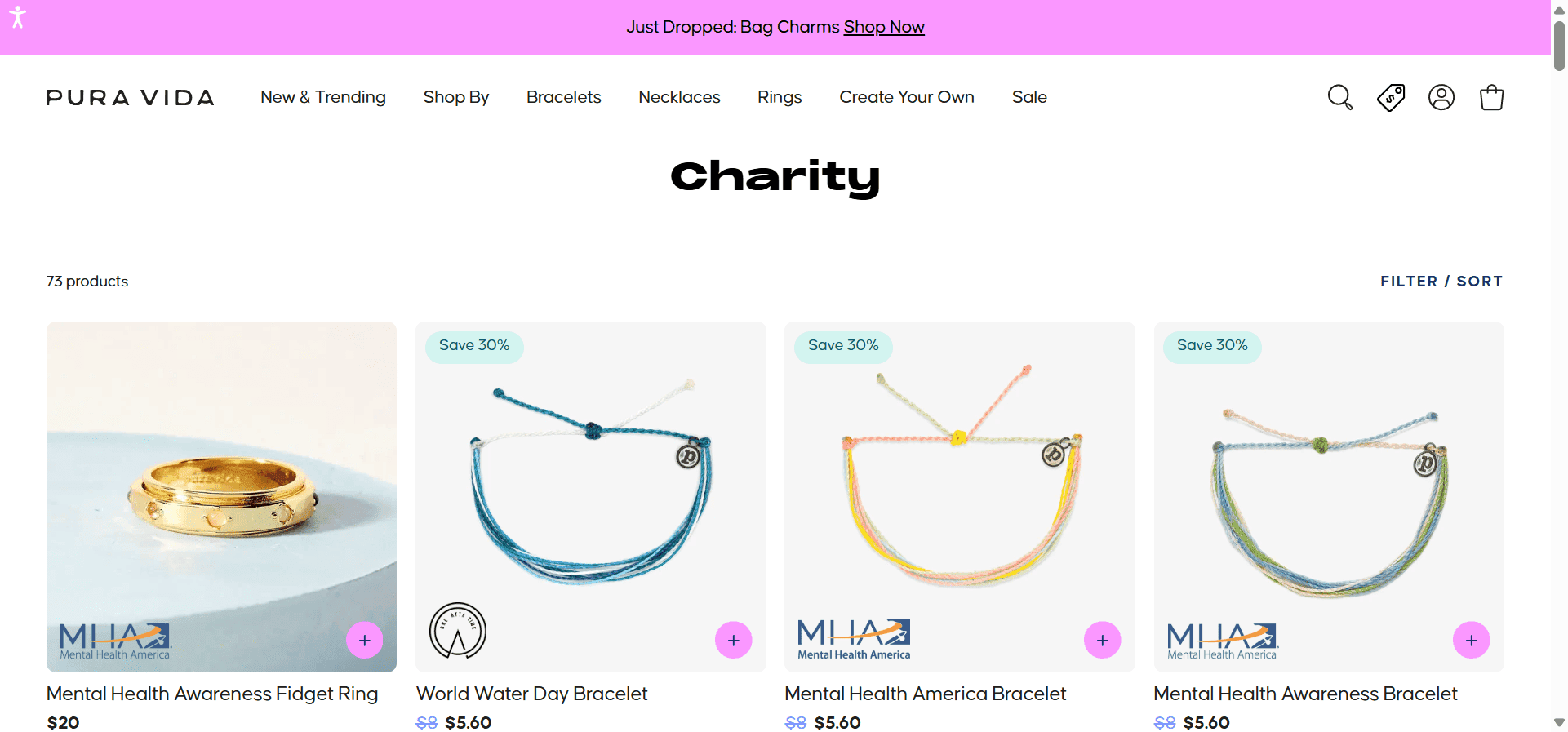
Pura Vida Bracelets is a brand that makes jewelry. They have a monthly program called "Charity Collection," where customers can earn points when they buy things or share on social media. They also hold regular giveaways to encourage people to come back and build a community.
Use conversational marketing
When you bring together all the ways customers interact during their journey and the fact that 82% of people want quick answers, you'll understand why tools like marketing automation and AI, such as chatbots, are becoming very popular.
But just having a few set answers for a chatbot isn't enough. Customers want chatbots to feel like talking to a real person, and that's where conversational marketing helps.
Conversational marketing is built on the idea that good relationships with customers grow through each conversation. Since 40% of customer interactions will be handled by AI by 2023, companies that focus on conversational marketing now will benefit in the future.
Casper, a company that sells mattresses and sleep products, has a chat feature on their website called "Insomnobot. " It's made to talk to customers who are having trouble sleeping at night. Their chat support talks to customers in a friendly way to help them choose the best mattress for their sleep needs. They answer questions about the 100-night trial and assist with buying decisions without being pushy.

Omnichannel engagement
Since over 70% of customers use different ways to start and finish a purchase, it's important to have a clear messaging plan that works across all channels for successful customer engagement.
Using one channel or many channels at the same time has its downsides. An omnichannel customer engagement approach means using different channels separately, while an omnichannel approach means linking those channels together to reach a specific goal.
In this example, a brand sends a web push notification, then an email, and finally a message on WhatsApp to encourage the user to finish their purchase.
Warby Parker is an eyewear brand that makes it easy for customers to shop. They let you look online, try on glasses at home, visit their stores, get help through a mobile app, and contact customer service. You can start shopping on one platform and switch to another easily.

Run marketing campaigns via RCS
Sometimes, even when we try to connect with users in many ways, they still don't respond back to your messages. RCS is a great new way to communicate in situations like this. It's an improved version of SMS for sending interactive messages that contains pictures and special deals with customers.
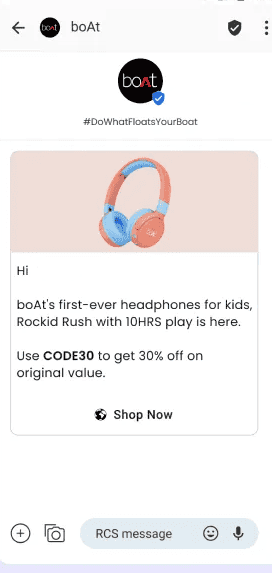
For instance, boAT, a brand known for its music equipment and accessories, leverages RCS to market its products for potential customers that can interact with its messages directly from their messaging app. boAT sends a clear image of the product along with a discount code to encourage users to make a purchasing decision.
Interact with customers more effectively with the right customer engagement strategies
Today, it's important for businesses to connect with customers to help them remember the brand and succeed. But businesses often have trouble really connecting with their audience because of broken data, a lack of personal interactions, and missed chances to connect.
You can use our all-in-one customer engagement platform to easily apply all the great examples of customer engagement we've discussed.
By using these strategies, you are not only meeting needs but also building a loyal group of customers that helps your business grow and succeed in the long run.
So, start connecting with your audience. See your customer interaction grow as you use the helpful tools from our platform. Want to see how Zixflow can improve how you connect with your customers? Schedule a demo today.
Sahil Tyagi
I'm a passionate content writer and SEO enthusiast who enjoys turning ideas into helpful articles. When I'm not busy with content, you'll find me enjoying sports or reading about growth strategies.