8 Practical Customer Engagement Examples to Take Inspiration From
These actionable customer engagement examples allows you to craft your own engagement strategy to stay in touch with your customers at every stage of their journey.
 by Sahil Tyagi
Time is of the essence for business, particularly when it comes to sales staff who are always in a hurry to convert or respond to a customer. Today, it takes more than selling stuff in order to be successful. Customers desire real conversations that will make them feel that they are connected to a brand. This is something that will have them coming back.
Many brands now rely on technology to make their communication feel more personal and emotionally relevant because customer expectations continue to rise. According to research, over 90% of businesses leverage some kind of AI-driven tools to personalize customer experiences.
Buyers are no longer making comparisons between a company and its competition. Rather, they are comparing all interactions they have had with a business. That is why companies should not guess but adopt actionable common engagement models that actually work in real life.
So, this article will consider such customer engagement examples that go further than simple tricks. All of these examples demonstrate how intelligent interactions capture attention and generate meaningful outcomes, so growing businesses can take inspiration from them.
What defines customer engagement?
Customer engagement refers to creating long-lasting relationships with fulfilling and frequent contact points throughout the entire experience. It begins with the first hello and proceeds to acquisition and support, whereby people feel valued throughout the process.
Getting engagement right enables brands to deliver on-point experiences as they glean hints on what clients are into. Those insights make it easy to customize the communication and deliver precisely what buyers desire.
The companies that take care of customer experience tend to experience actual growth as the others lag behind, as suggested by a study that more than 80% of businesses that focus on improving customer experience witness a jump of around 6%, on average, in revenue.
8 proven customer engagement examples from real brand
The customers that are engaged with a brand may actually generate even more revenue than the ones that have not interacted in a while. As a rule, it all depends on the quality of the experience and the intimacy between a company and its customers.
That interaction manifests itself in so many forms: tailored conversations, community activities, and whatnot. The following are some of the real-life customer engagement examples you can use as a standard:
Personalized customer interactions
One of the most suitable ways of building stronger customer relationships is through personalization. Whenever businesses utilize the information about customers to craft messages and suggestions, they tend to make the interactions more purposeful. Such relevancy makes people feel known and important, which increases the likelihood of them staying put.
Spotify is a great example of how to utilize personalized content. Each year, the platform releases Spotify Wrapped, which is a personalized glimpse of what you have listened to throughout the year. It includes the most-listened-to artists, common genres, and hours of jamming.
Individuals anticipate these insights since they have a personal glimpse of their music preference, and the ability to post this online increases the exposure of Spotify, thus generating additional hype.

Spotify also generates personalized playlists such as Discover Weekly and Daily Mixes. These playlists are created based on users’ listening patterns and tastes, and therefore, allow them to dive into tunes that resonate with their mood. It is like having your own curator who, in fact, understands what you like.
In addition to playlists, Spotify tells you what to listen to based on the trend. These suggestions present new content that is an ideal fit and make the experience fulfilling. As a result of providing personalized experiences continuously, Spotify has managed to build a strong emotional connection to its customers and retain them for the long term.
Key takeaways:
- Continue to refine recommendations based on behavioral data to ensure that users continue to have new content
- Make personal touches shareable so as to increase word-of-mouth buzz
- Send individualized recommendations to customers and make them feel like unique personalities rather than just a number in the crowd
Loyalty rewards
Another excellent method of retaining customers in the long run is through reward programs. Organized loyalty schemes cause individuals to continue purchasing and become closer to the brand.
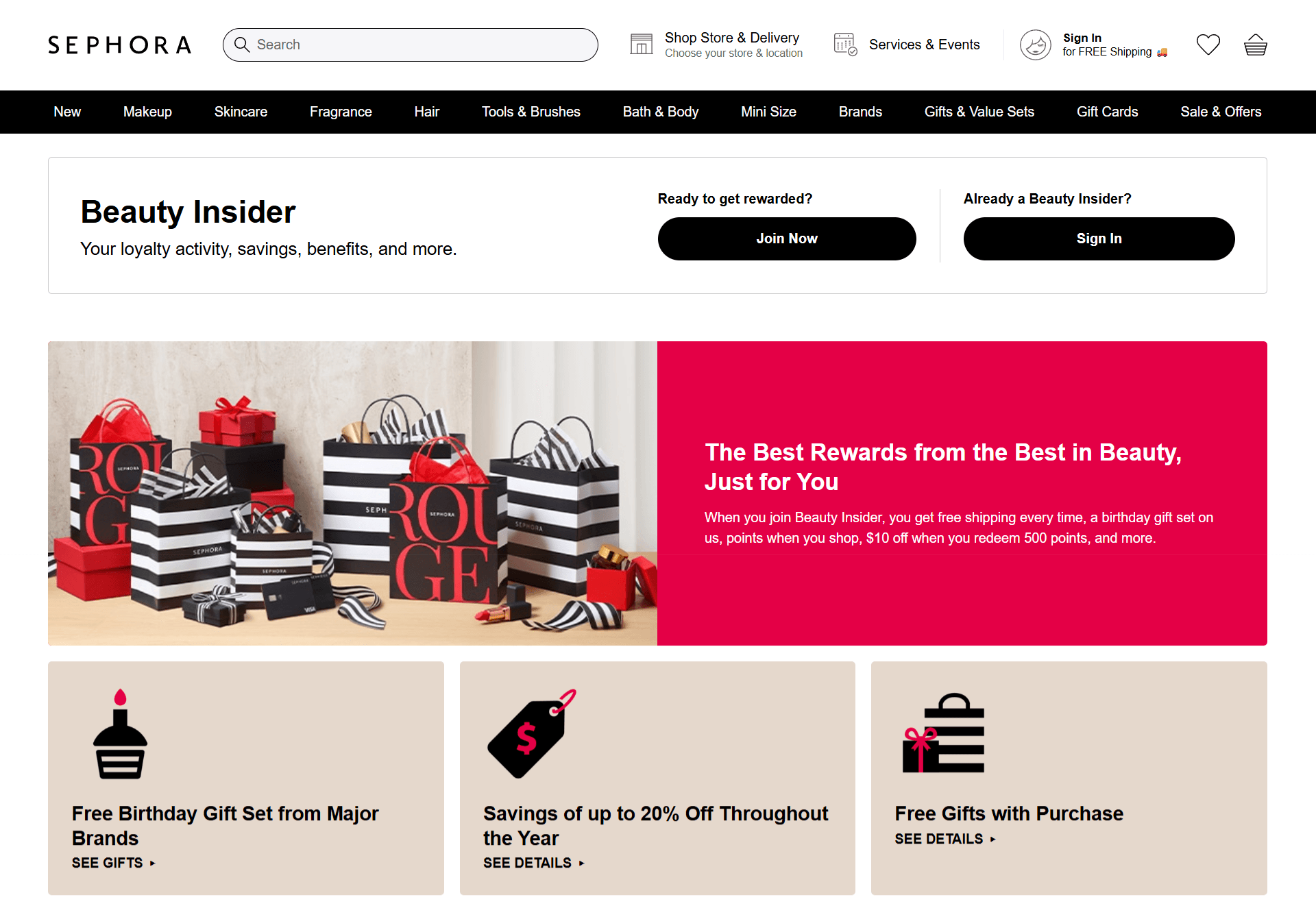
Sephora, for example, demonstrates this through their Beauty Insider loyalty program. It is based on the tiered membership with Insider, Rouge level, and VIB.
Members earn points whenever they make purchases, and the points can be exchanged for products, samples, or special experiences. The higher the tier a customer gets, the more they unlock.
The ranked structure encourages people to stay engaged with the brand since the higher the level, the better the rewards. It increases repeat purchases and loyalty as it makes their customers feel they are progressing.
Key takeaways:
- VIP privileges will create an emotional attachment to the brand that is not limited to discounts
- Well-defined reward tiers will encourage customers to be active and shop more
- The idea of progression provides a sense of achievement that makes people engaged with the brand
User-generated content
It is a good idea to build trust with authenticity by asking customers to create and share their own stuff. Individuals tend to respond more to the true stories of other people than to the rigid advertisements run by a business itself.
A company that did this amazingly is GoPro. GoPro hit it with user-created content in the campaigns, such as the #GoProMillionDollarChallenge. Fans posted self-created videos with a chance to win prizes, which generates a huge amount of authentic user-generated content.
<iframe src="https://www.youtube.com/embed/0VfW6-1DM8Y" title="Video Title" loading="lazy" frameBorder="0" allowFullScreen >
These videos demonstrate actual product application and bend the capabilities of the cameras in a more natural way. The buzz increases the visibility and credibility, as it comes not only directly from the users, but also not from the brand.
User-created content is regarded as social evidence, and potential buyers have greater confidence in their purchasing decisions.
Key takeaways:
- These are the real-life stories of customers and tend to be more believable than a conventional marketing campaign
- Community engagement has the advantage of spreading the brand without overly investing in paid advertisements
Social media engagement
Engaging in online activities and chatting directly with customers enables the brands to create personal relationships with their social media followers. Regular interaction causes the brand to be welcoming and accessible rather than being distant.
Splendid Ice Creams by Jeni has received a positive reputation for communicating with its customers on social media platforms. They also respond to the comments and DMs regularly in order to maintain consistent communication.
Quick responses showcase that the brand listens to what customers have to say and is willing to communicate. Frequent discussions make the community feel stronger. Plus, the customers can share good content about the experience, which can be shared in its owned channels. Highlighting the customer posts improves awareness and strengthens the good vibes.
Key takeaways:
- Interactive conversations make the followers become long-term brand advocates
- Periodic back-and-forth chats will build awareness and trust
- Publicly yelling at customers increases customer engagement further
Interactive activities
Interactive material is one of the best ways to capture attention as you get to know more about customers. Quizzes are combined with entertainment and customization; hence, individuals enjoy interacting with them.
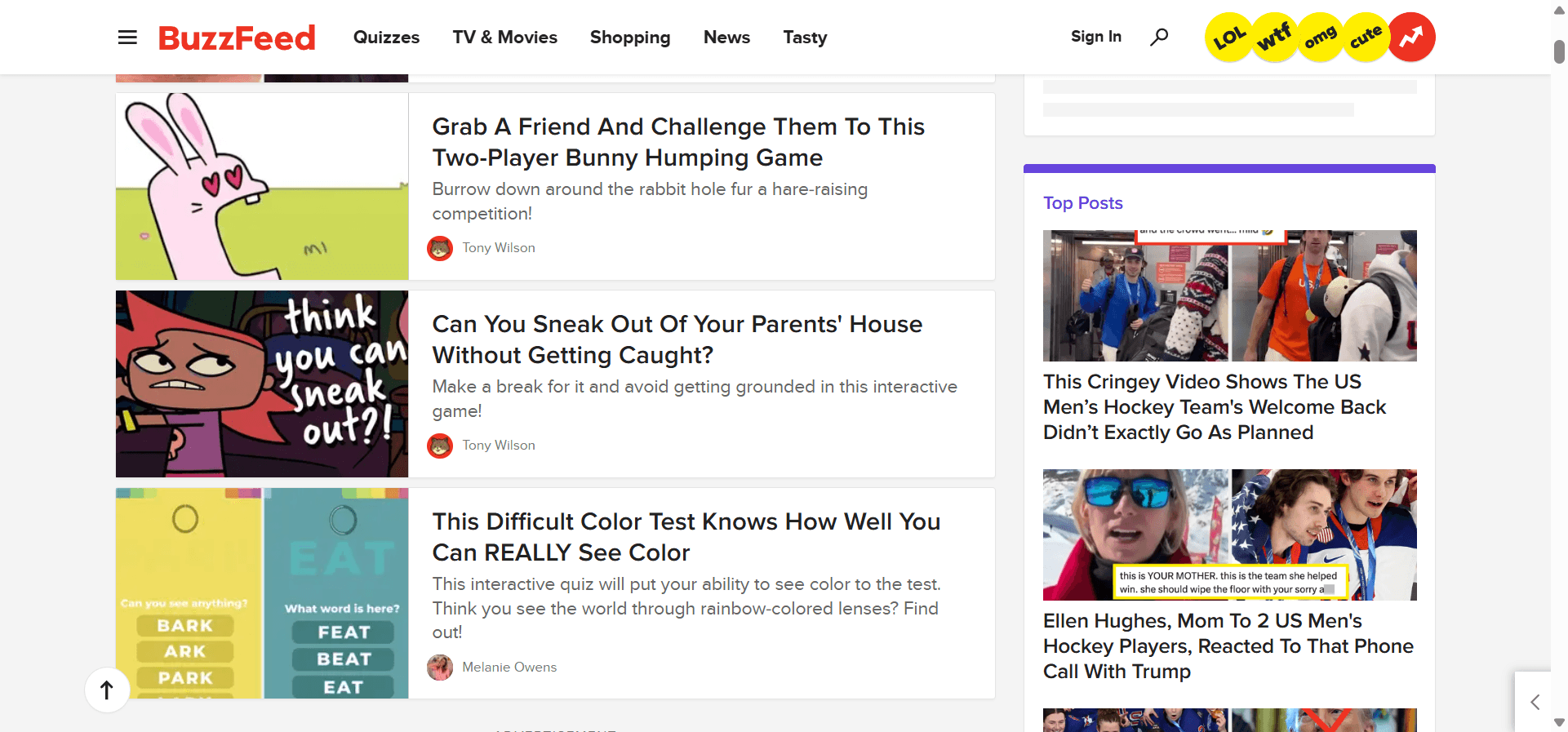
BuzzFeed is known to have quizzes that provide personalized outputs based on customers’ interests. They become viral as users enjoy getting the results that would feel special to their answers.
In addition to the fun, quizzes provide helpful hints on what the customers like. This allows companies to target them more effectively in the future by delivering content that is relevant.
Key takeaways:
- Interactive types of content ensure that users are interested for longer than traditional marketing
- Brands can get unique insights into customers’ behavior when they get involved
- Fun experiences cause brands to stay relevant in the minds of the people
Chatbot-driven automation
Chatbots or virtual assistants provide 24/7 assistance, and therefore, a customer does not have to wait in a queue to be answered by a human rep. They also make sure that customers receive help with their inquiry promptly, irrespective of the time of day or business hours.
HDFC Bank implemented AI assistants known as Eva to provide full-time assistance to its account holders. Eva deals with any type of question and requests pertaining to service. This way, users can obtain information at any time around the clock without needing support staff at the desk.
<iframe src="https://www.youtube.com/embed/ugM-5aGbZ4w" title="Video Title" loading="lazy" frameBorder="0" allowFullScreen >
Key takeaways:
- Immediate responses increase the level of reliability
- Automation maintains the quality without adding excessive workload to the customer-facing teams
- 24/7 assistance simplifies the experiences of customers living in different time zones
Referral-based engagement
Referral programs cause people to tell more about a product or service and receive rewards for it. They are an excellent method of growing naturally, as the recommendations are shared by customers who are potential leads and can be trusted.
Dropbox, for instance, got it on the nail by providing additional storage to the referring customers as well as to the new sign-ups.
The fact that both the existing and new customers got a boost meant that people jumped all in since everyone received the perks. This referral marketing strategy skyrocketed the user base and drew the platform even further.
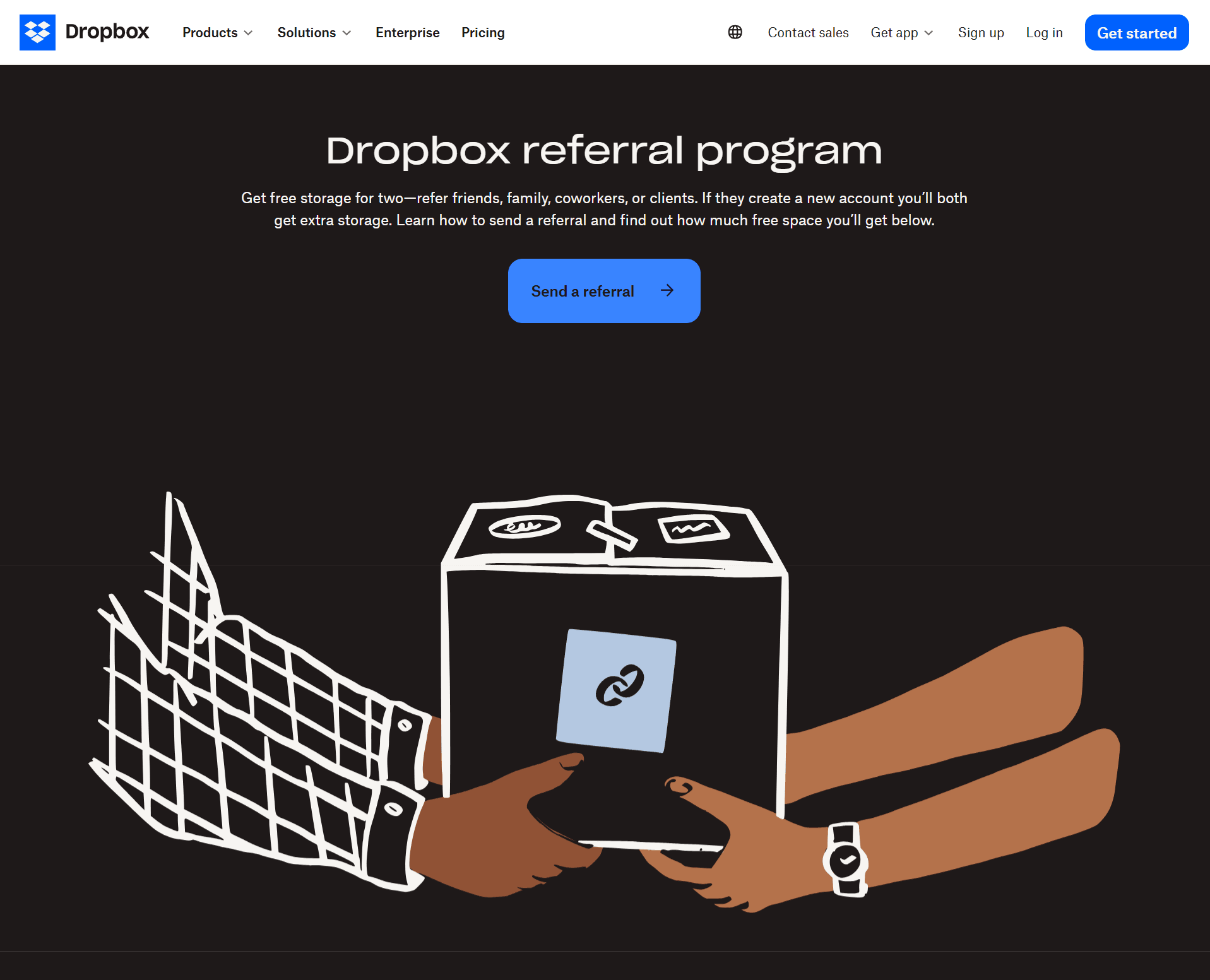
Referral-driven growth tends to be more successful since it is real word of mouth rather than conventional advertisement campaigns.
Key takeaways:
- Mutual rewards boost the invitations
- Referral expansion tends to exceed conventional methods of attracting clients
- Small incentives can trigger strong adoption when presented as a part of what the product is about
Customer feedback cycles
Listening to customers and doing what they say is a major aspect of any customer engagement strategy. Organizations that ask for customer feedback on a regular basis are able to refine their services and rectify problems more quickly.
Zappos has become notorious in regard to its customer-first atmosphere.
The brand provides free shipping and returns along with 24/7 customer support. That is an indication that they are serious about getting the shoppers happy.
The focus on quality service and responding to the customer needs has helped Zappos create a user base and earned loads of buzz. A smile on the face consistently will make customers happy to become lifelong advocates.
Key takeaways:
- Gathering customer feedback allows brands to improve their offerings more easily
- High-quality customer service brings customers back
Take advantage of these customer engagement examples to decide on your approach
Good customer interaction happens not by chance. The customer engagement examples demonstrate that the actual relationships are built on data-driven decisions to create moments that truly count.
Regardless of the approach, the goal remains the same: establishing relationships that go beyond a one-time purchase.
Begin by selecting one or two tactics that can work with your business and then stick to them. Do not attempt to go for all of them at once. When customers feel noticed and backed up, they will revisit a brand and refer you to others.
The most effective engagement methods vary over time. Keep listening to your customers and keep getting better. That consistently makes one-time customers into lifelong supporters.