Proven Customer Engagement Automation Tools to Save Time

Table of Contents
Customers these days demand promptness, precise directions, and smooth interaction irrespective of whether they are communicating with a business via chat, e-mail, or telephone. Delays in replies and detached interactions will lead to dissatisfaction, which will accumulate at a rapid pace.
These scenarios tend to compel companies to consider automated customer interaction, as manual processes are unable to meet the rising demands of customers.
Automation is in high demand, and the support for the customers is only one side of the coin. Sales teams often miss potential leads during the night hours, and operations teams might waste time answering the same questions.
Consequently, organizations are allocating additional funds towards automation to cope with increasing interaction levels and still be consistent. This shift can be seen in market trends, as the customer engagement solutions market is expected to expand to $17.73 billion by 2030, with the adoption of the always-available, integrated automation solutions that are available through various business channels.
That said, this article is an explanation of what automated customer engagement means and choosing the right customer engagement automation tools to achieve your desired engagement results.
What is a customer engagement automation tool?
Customer engagement automation tools are a type of platform that brings together customer data and communication channels to enable businesses to provide coordinated, automated interactions. Through such platforms, customer behavior is monitored, and automated workflows are executed over different channels as they assist in strengthening customer retention by ensuring that interactions are relevant and on time..
The features that are united on customer engagement platforms include marketing automation, behavioral analytics, and omnichannel communication. Through this integration, businesses are able to develop a coherent perspective of the full customer experience instead of running disconnected engagement initiatives.
Through centralized data insights, these platforms enable organizations to improve customer engagement, enhance support quality, and build stronger customer relationships. The final goal is to facilitate revenue generation by means of more meaningful interaction.
There is a major difference between customer engagement automation platforms and customer relationship management systems. CRM software is mainly centered on customer information storage, sales pipeline management, and communication history tracking with leads or customers. Conversely, a customer engagement automation platform serves as the center of operation of automated customer communication.
Rather than having to handle multiple disjointed tools that handle email, push notifications, analytics, and messaging, business organizations can utilize one system that integrates these capabilities. Customer engagement automation tools gather behavioral cues as they are created when customers view products or give up interactions. These indicators are useful in creating constantly updated customer profiles for automated engagement.
Different types of customer engagement automation tools
Various customer engagement automation solutions, similar to WhatsApp automation tools, assist businesses in reaching out to customers using multiple channels without necessarily having to use manual resources. Such tools process operations such as sending messages and managing interactions depending on customer actions to keep the brands relevant and respond in time through the sales pipeline.
| Tool Category | Purpose | Key Features | Common Use Cases |
|---|---|---|---|
| Email Marketing Automation | Automate email campaigns | Drip workflows, audience segmentation | Welcome emails, cart recovery |
| SMS Automation | Automate text-based engagement | Scheduled messages, personalization | OTP alerts, promotional offers |
| WhatsApp Automation | Engage users on WhatsApp | Chatbots, message templates | Order updates, customer support |
| CRM Automation | Manage and nurture leads | Lead tracking, follow-ups | Sales pipelines, lead nurturing |
| Chatbot Automation | Automate conversations | Pre-built flows, AI replies | FAQs, booking assistance |
| Push Notification Automation | Re-engage users instantly | Behavioral triggers, personalization | Abandoned carts, announcements |
| In-App Messaging Automation | Guide users inside apps | Event-based messages, targeting | Onboarding tips, feature updates |
| Social Media Automation | Automate social interactions | Post scheduling, auto-replies | Content publishing, DM responses |
| Customer Loyalty Automation | Drive repeat engagement | Rewards rules, tier management | Loyalty programs, referrals |
| Feedback Automation | Collect customer insights | Survey triggers, NPS tracking | Post-purchase surveys, reviews |
Importance of customer engagement automation tools
Teams that handle large amounts of interactions in sales, support, and customer service are no longer at liberty to engage with customers manually. The buyers today demand quick response, proper information, and a smooth experience across all the channels they are likely to be using. Here are some of the benefits of using automated customer engagement platforms:
Reduced wait times
Modern buyers demand almost immediate response as opposed to hours or days. Fully automated customer interactions allow timely response using digital channels, thereby minimizing drop-offs in capturing leads, support engagements, and transaction interactions.
Consistency across touchpoints
Conversational patterns by human agents are inherently different depending on several factors, such as the availability of agents, the time of the shift, and workload. Automation guarantees that all interactions are based on the same rules and logic. This will avoid conflicting data when making inquiries, order status, eligibility queries, and account-related questions.
Handling a large volume of users
Scaling human teams is costly and inefficient with the increase in the volume of interactions. Repeat interactions, including common questions, verification, and follow-ups, are handled by automated customer engagement. This also enables businesses to control growth without having to employ more people at the same pace.
24/7 availability
Customers call outside normal business hours, particularly with problems that need support and updates immediately. The automated engagement tools operate throughout the nights, weekends, and peak times to ensure that the users are engaged at all times, even in the absence of human teams.
Proven customer engagement automation tools
Customer engagement automation platforms refer to tools that enable businesses to provide stable and dependable customer interaction on a large scale. These tools are proven in the field of application and assist teams in enhancing response time, ensuring the quality of communication, and establishing meaningful interaction without increasing the workload on your customer-facing teams.
HubSpot
HubSpot is popularly referred to as a CRM, yet it is also an effective customer engagement automation solution. It unites marketing, sales, and communication with customers into a single, unified system.
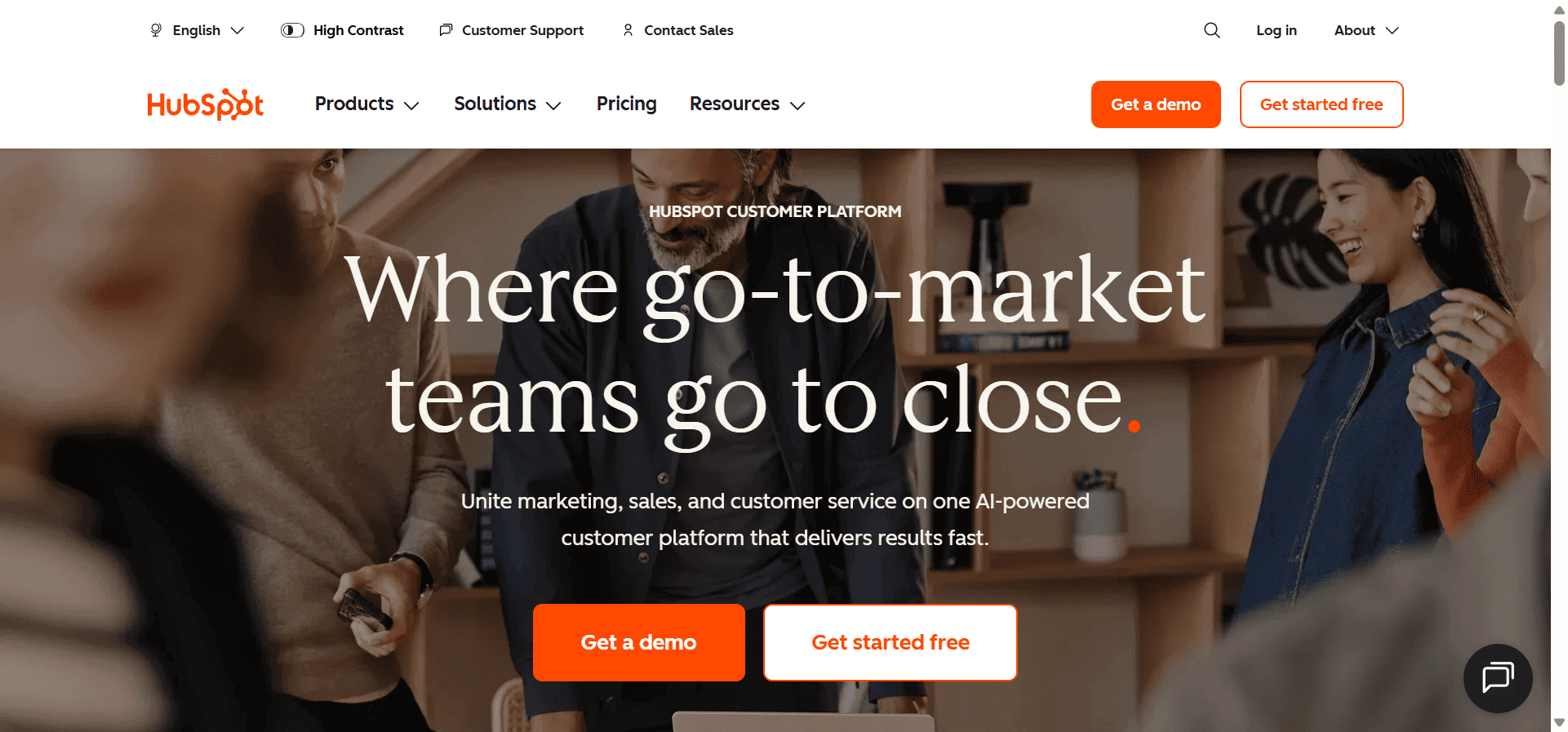
Regarding automation, HubSpot enables teams to create customer behavior-based workflows. Aside from the lead updates, which can be done automatically, emails, follow-ups, and task assignments can be sent based on pre-determined rules. This will guarantee the appropriate message is delivered to the customers at the appropriate level without any human intervention.
HubSpot is also time-saving as it eliminates repetitive activities in the day-to-day operations. Teams also waste less time following leads or sending alerts, and more time is dedicated to customer engagement strategy and relationship development.
ActiveCampaign
ActiveCampaign is aimed at companies that require advanced automation, yet do not require the complexity of enterprise-level software. It is particularly widely used for lifestyle-based customer engagement.
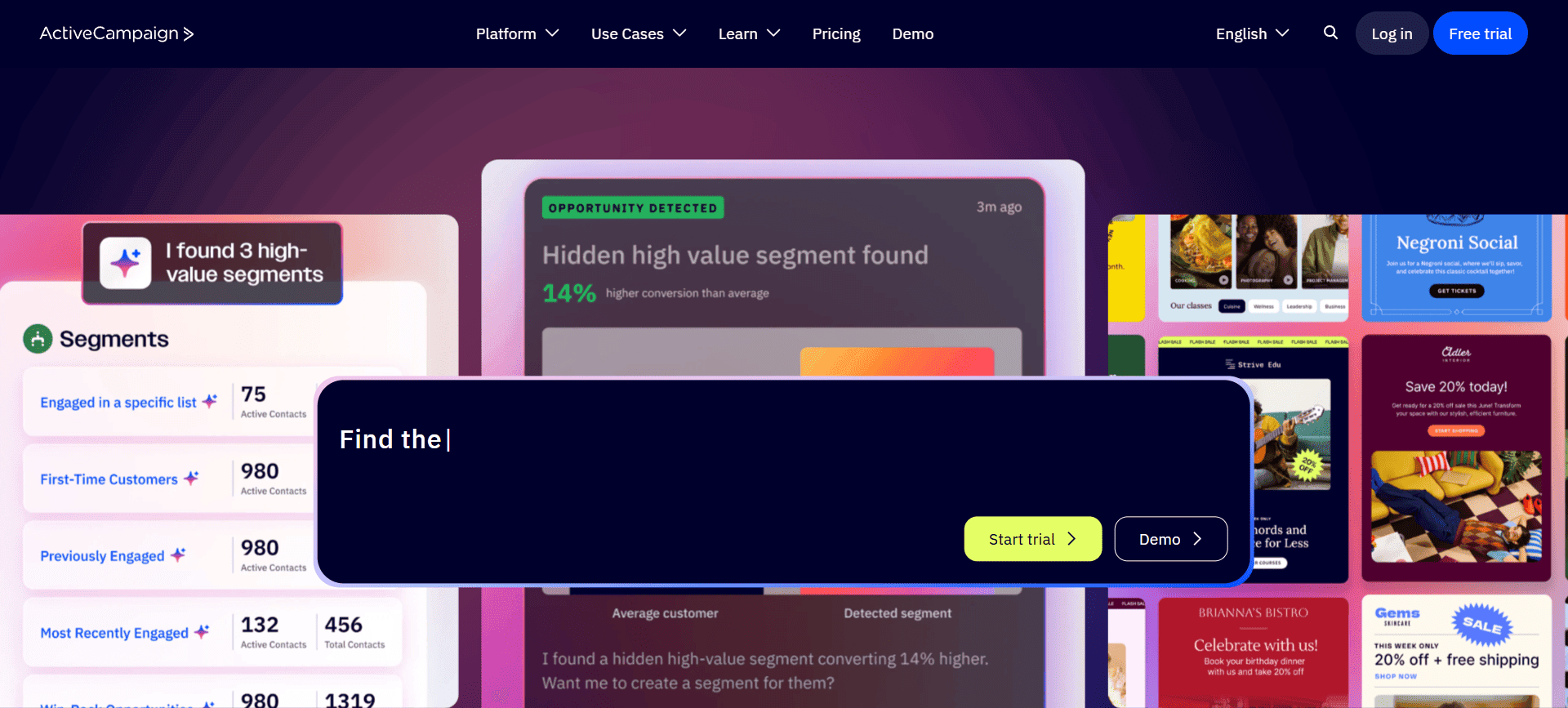
The platform is unique in that it has a visual automation builder that allows teams to build detailed engagement flows depending on user behavior. Personalized follow-ups can be automatically activated by such actions as email openings, clicking on links, and making purchases.
Automated touchpoints can assist in ensuring that businesses remain engaged on a consistent basis with the help of ActiveCampaign. This automates campaign management and enhances the responsiveness and relevance of interaction messaging.
Iterable
Iterable is an automation customer engagement platform designed to support growing and enterprise-level teams. It is about the coordination of complicated customer experiences over a variety of channels.
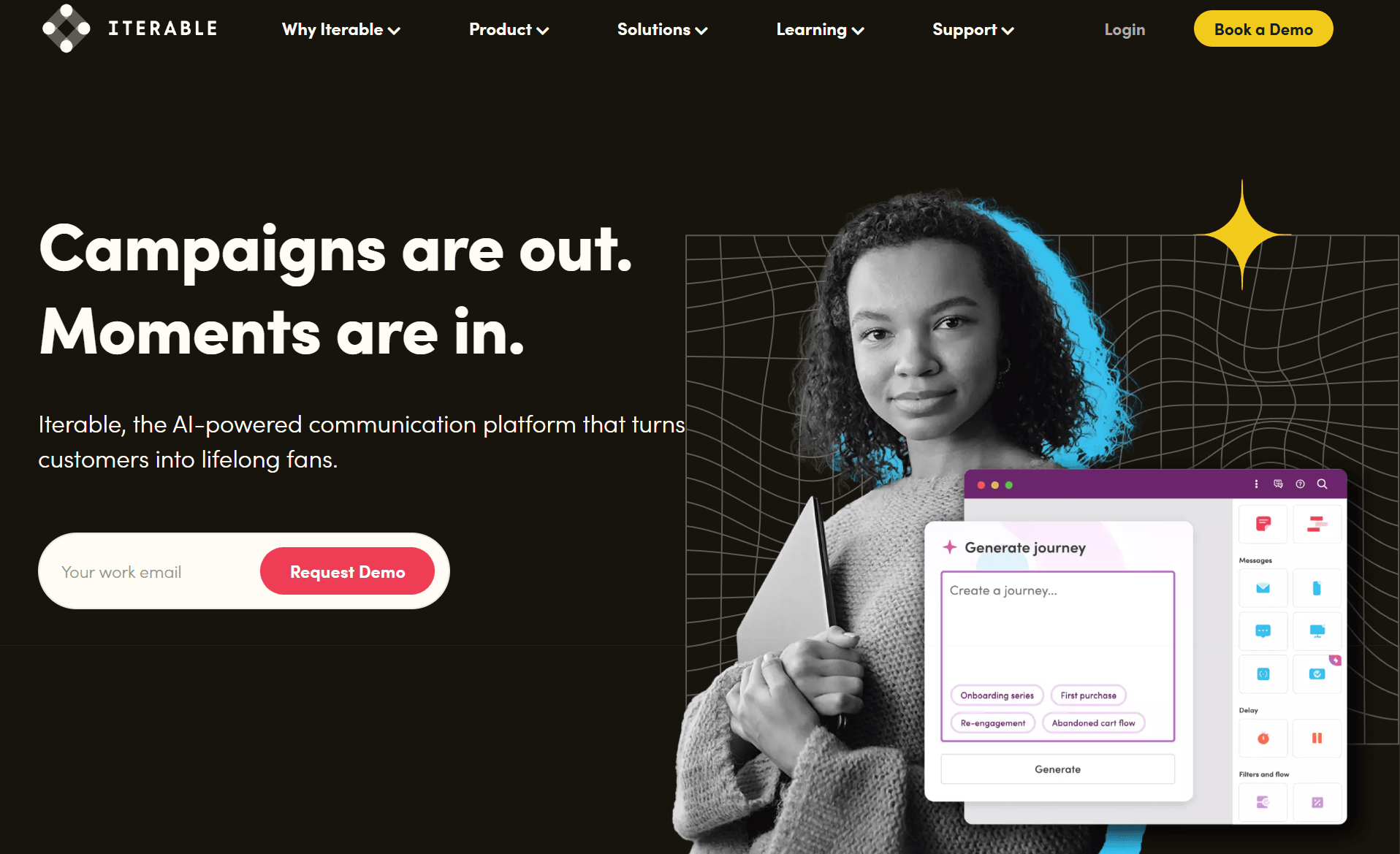
Iterable automation is an event and user-driven process. Teams are able to design journeys that automatically change depending on customer interactions with products or messages. This results in more responsive and less manual engagement.
Iterable is a tool that is used to save time by managing cross-channel and high-volume engagement in a centralized process. After establishing journeys, teams will be able to use automation to handle continuous customer communication effectively.
Twilio Engage
Twilio Engage is an application that is constructed on the communication infrastructure of Twilio and puts great emphasis on automation and customization. Teams that require a flexible engagement logic can frequently use it for highly-tailored customer engagement using an API-first infrastructure.
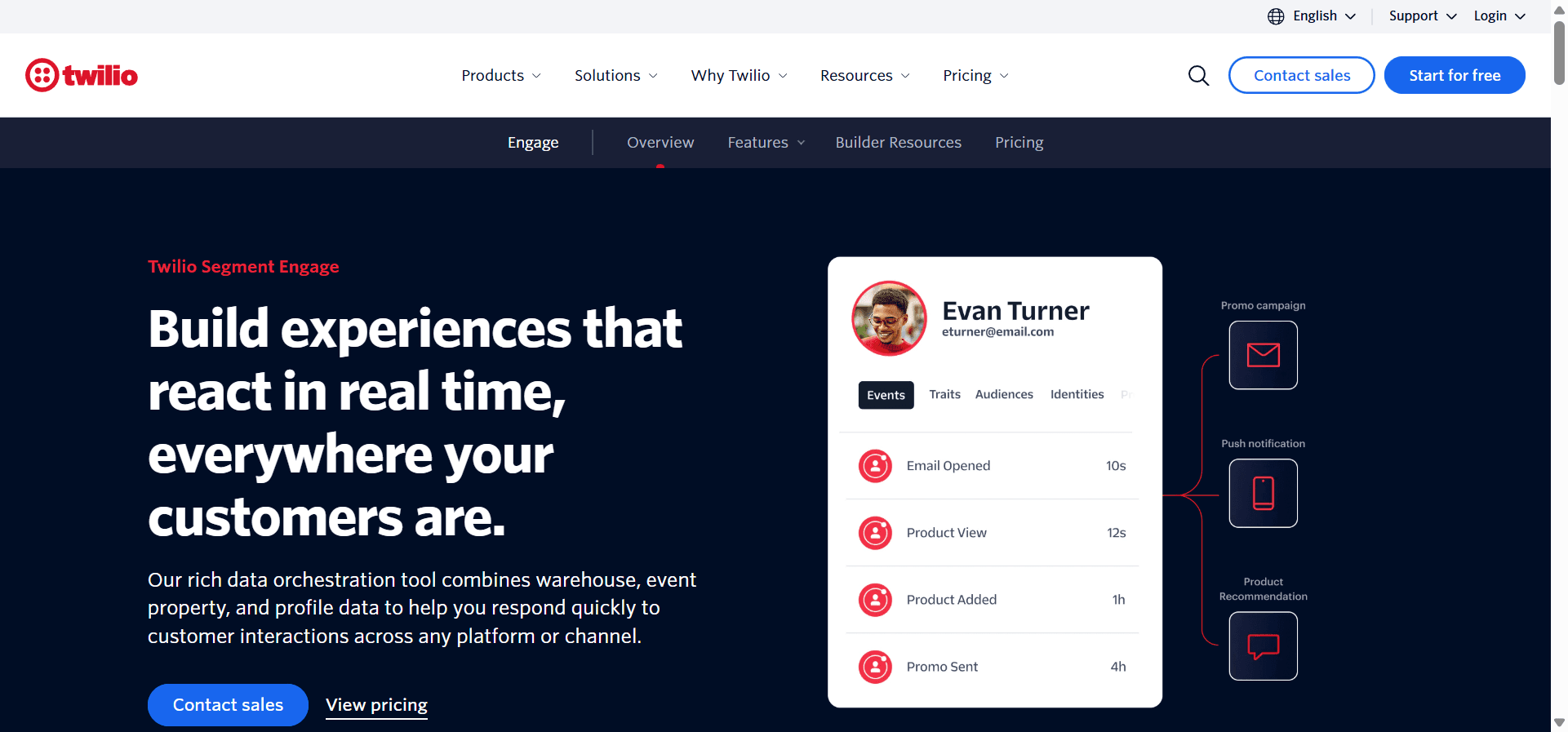
The platform allows automated communication in SMS, WhatsApp, email, and push notifications. Automation is extremely receptive to engagement flows as they can be initiated by customer activities, data updates, or even external events.
Twilio Engage saves time because it enables teams to establish an automation workflow and repeat it across channels. This eliminates redundancy of labor and creates uniform customer experiences.
Gupshup
Gupshup is a chat-based automation platform that is highly concentrated on messaging platforms, particularly WhatsApp. It is meant to streamline mass customer relations efficiently.
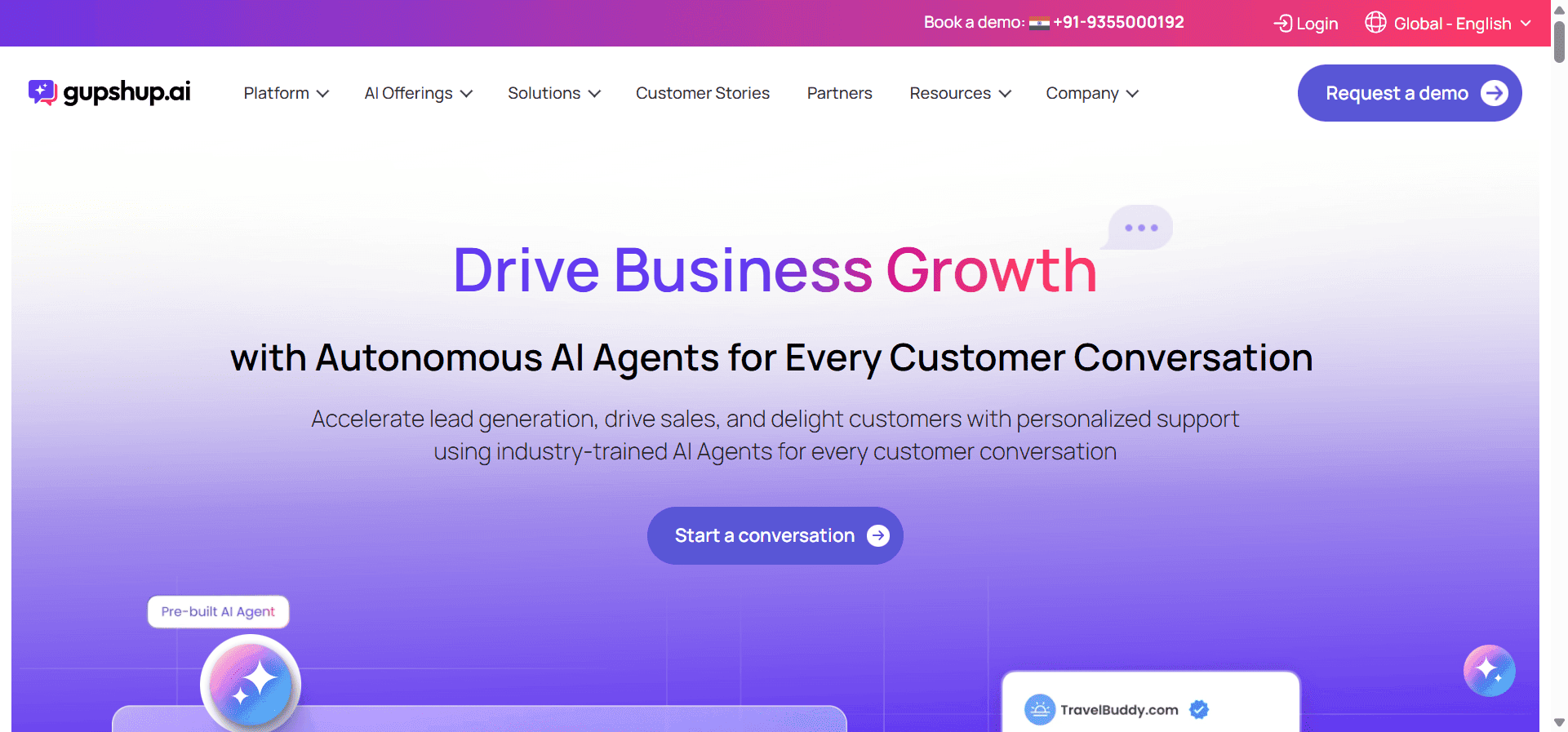
The concept of automation in Gupshup is based on WhatsApp chatbot, templates, and rule-based flows. Businesses are able to manage inquiries and engage using automated campaigns without having to use live agents for all the interactions.
Gupshup enables support teams to automate repetitive conversations, thereby decreasing the amount of support work and response time. This simplifies customer interaction management as the number of customers grows.
Yellow ai
Yellow ai is an engagement automation system powered by AI that is conversational in nature. It is widely applied in automating customer service interactions to make sure customers are happy and stay in touch with a business for a long time.
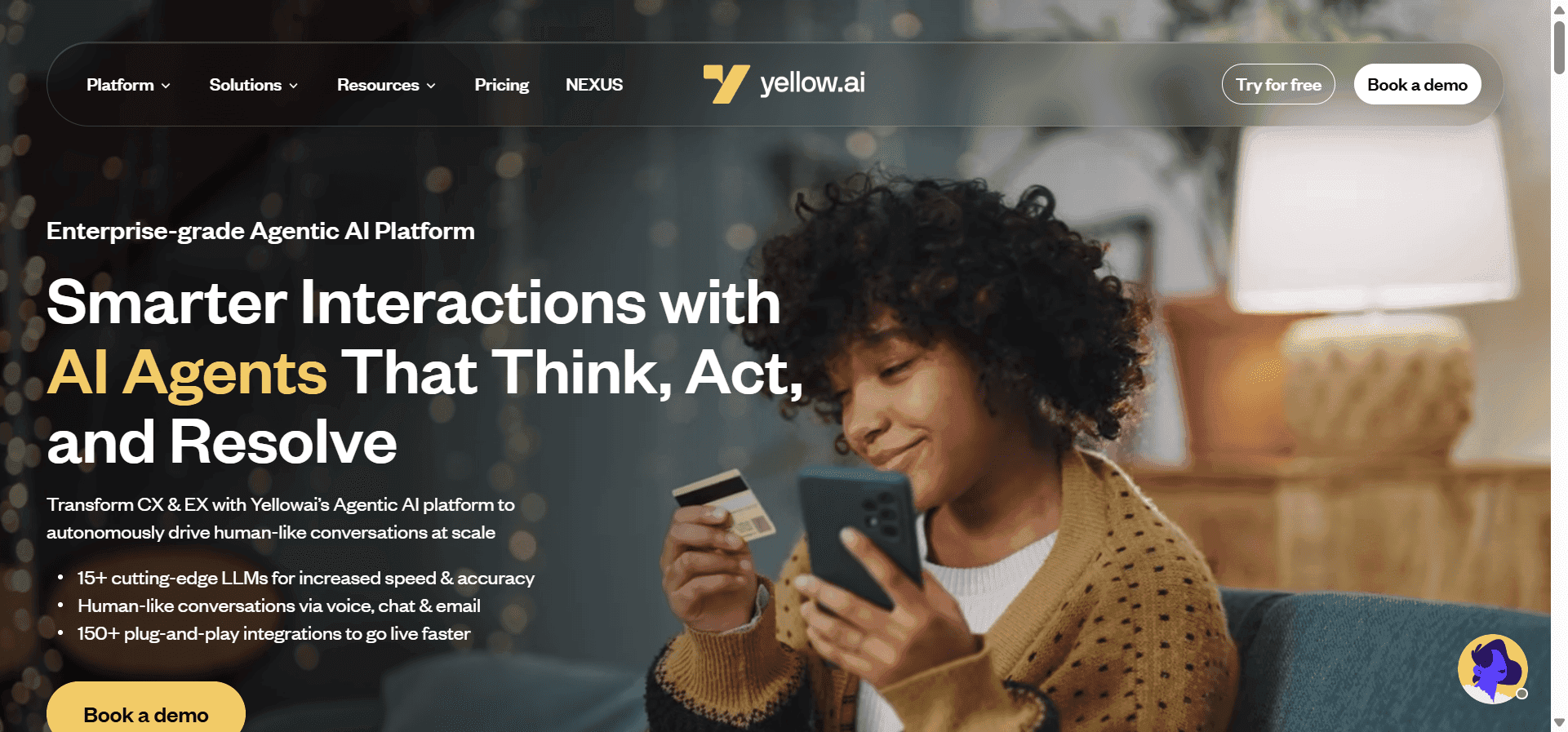
The platform deploys AI bots to control the discussions in various channels. Such bots are capable of processing regular requests, advising users, and initiating follow-up activities in response to the conversation outcomes.
The solution is time-saving because it reduces the amount of human engagement in the processes of daily interaction. Teams are able to expand engagement all the while maintaining the same consistency in their responses.
ManyChat
ManyChat is a chatbot-based automation platform that is messaging-first in nature. It is a popular choice for automating customer engagement over social channels like WhatsApp, Instagram, and Messenger.
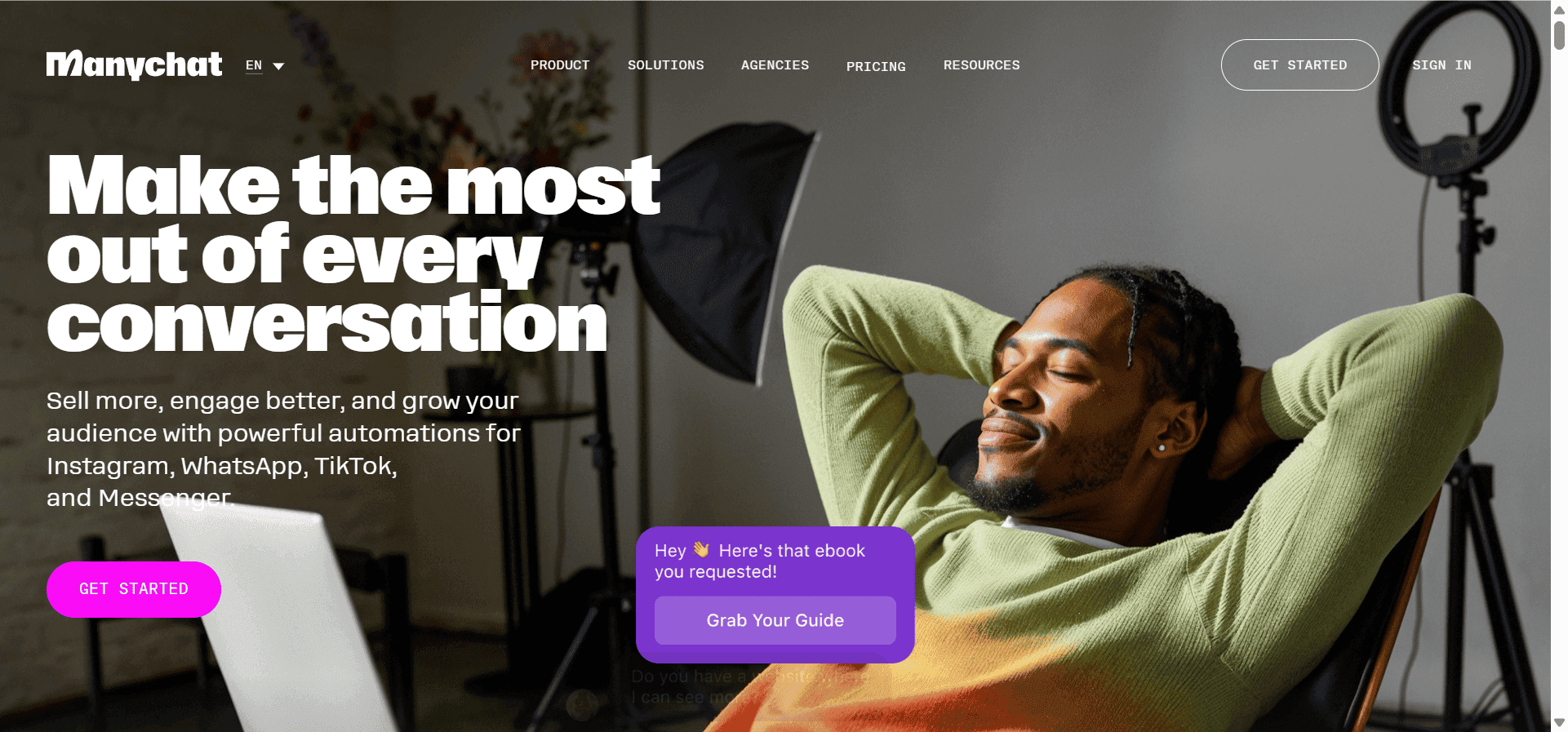
ManyChat automation is event-driven. Companies are able to program chatbots to automatically respond to user messages, sign-ups, or purchases.
Furthermore, the tool saves the necessity of manual responses to conversations by managing them automatically. This enables the customer engagement teams to reach a greater number of users without having to put extra effort into support.
Klaviyo
Klaviyo is a renowned customer engagement automation platform oriented primarily for the e-commerce industry. It is developed to automate communication according to the shopping behavior of customers.
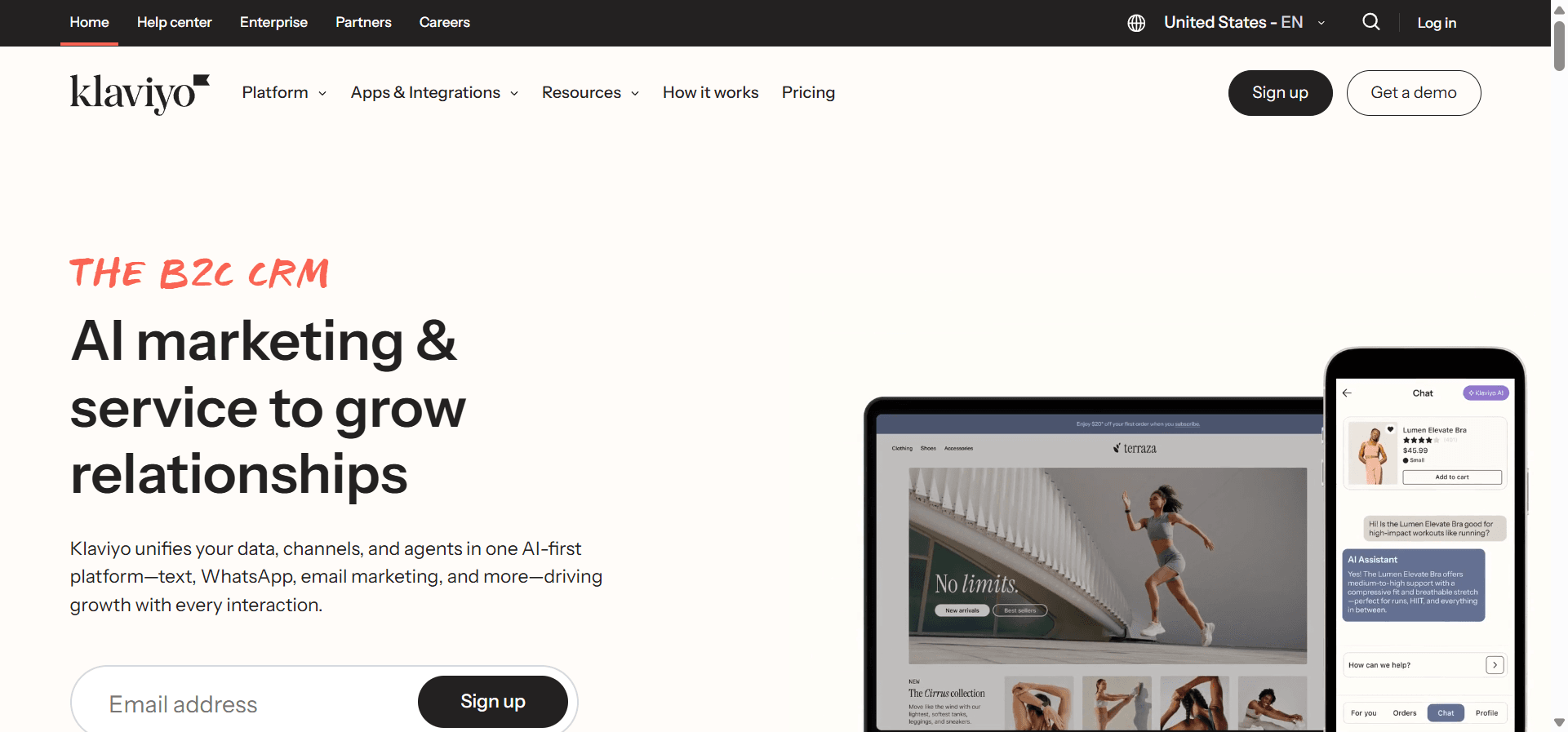
The platform leverages the data on the customers to send automated messages, including abandoned cart notifications and post-purchase follow-ups. Such automations operate on a non-stop basis without requiring any human oversight.
Klaviyo serves to save time as it transforms typical e-commerce interactions into automated processes. This enables marketing departments to be geared towards optimization rather than execution.
Omnisend
Omnisend is also designed to serve e-commerce brands that prefer simple but powerful customer engagement automation. It integrates several channels in a single automation system, thereby simplifying engagement regardless of the stage of the sales funnel a lead is in.
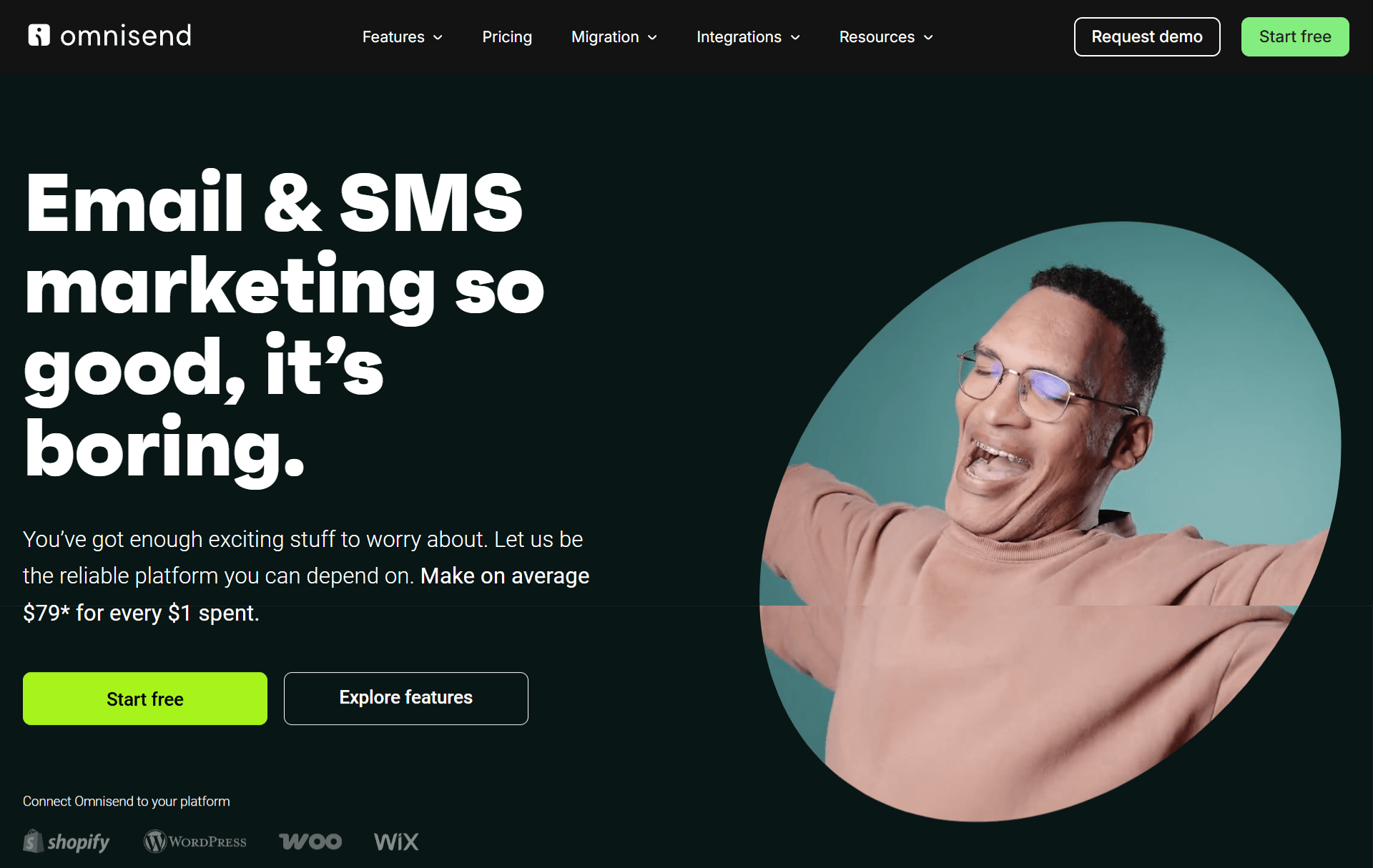
Omnisend’s automation revolves around the pre-designed workflows of major moments in e-commerce. The messages are also automatically sent depending on the customer's intent, such as browsing or buying.
Choose the right customer engagement automation tool for streamlined engagement
Customer engagement automation is no longer a luxury option that can be enjoyed by growing companies anymore. Manual engagement is hard to manage as the expectations of customers grow and the number of communication channels grows. Automation enables the teams to be consistent, reactive, and seamless without having to introduce additional workload.
The tools discussed in this guide demonstrate the extent to which automation can streamline the interaction process at various points of the customer flow. It could be triggering messages on the behavior cues of users, managing interactions using bots, or running automation outreach campaigns on scale; these platforms are designed to minimize repetitive processes and enhance efficiency.
The selection of the correct customer engagement automation tool is based on your business objectives, the number of people in your team, and the channels you would choose to use. The trick lies in the fact that one has to pay attention to those tools that facilitate engagement logic rather than the delivery of messages.
Sahil Tyagi
I'm a passionate content writer and SEO enthusiast who enjoys turning ideas into helpful articles. When I'm not busy with content, you'll find me enjoying sports or reading about growth strategies.